

Summary
- As climate change causes the Arctic to warm, the region’s permafrost — a layer of soil that stays frozen throughout the year — is beginning to thaw.
- In the Inuit community of Nain in Labrador, residents are witnessing the impacts of permafrost thaw. Ground that used to be solid is becoming unsteady, putting buildings at risk.
- Permafrost thaw also threatens to accelerate climate change, because permafrost releases carbon dioxide and methane into the atmosphere as it melts.
In central Nain, the largest community in northern Labrador, Joey Angnatok used shipping containers to build his warehouse.
He placed the two sea cans on hefty steel H-beams, leaving some room beneath them, should he need to jack up one end or the other against the sloping, ever-changing ground.
The land under them, he says, is “alive, like it’s always moving.”
Some of the Nunatsiavut region, the Labrador Inuit Land Claims Agreement area in northern Labrador where Nain is located, is underlaid with permafrost. It’s a layer of soil and sediment, rock and ice — sometimes all of them together — that remains frozen for more than two years. Permafrost is ubiquitous across the Arctic and much of the subarctic, with some of the oldest layers believed to have remained frozen for hundreds of thousands of years.
But despite its longevity in some places, as the climate warms, permafrost thaw is becoming an increasingly inescapable problem.
“I hate it because I own a few properties around town, and unfortunately the melting of the permafrost is playing havoc with the foundations and movements of the buildings and all that kind of stuff,” Angnatok says.
That’s why he built his warehouse to mitigate the undulating effects of permafrost thaw. “Because the land was so bad there, I figured we’d try something different instead of your normal ‘pour the concrete down and then build your wood structure on that,’ ” he explains.
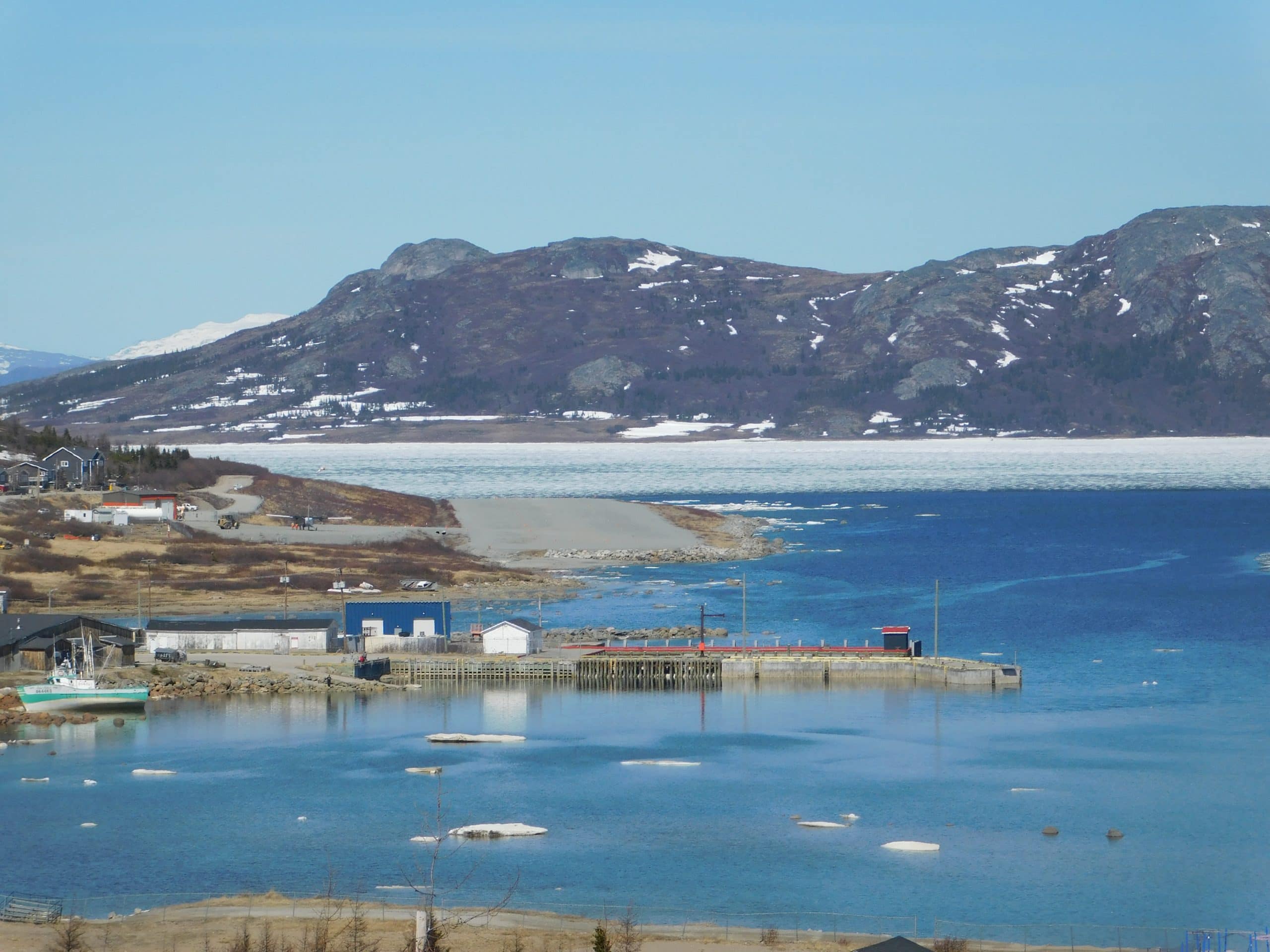
The residents of Nain, the northernmost community in the Inuit-governed Nunatsiavut region, are seeing the ground beneath their feet shift as the region’s permafrost thaws due to climate change and human activity.
Three years after building, he says he’s still holding his breath.
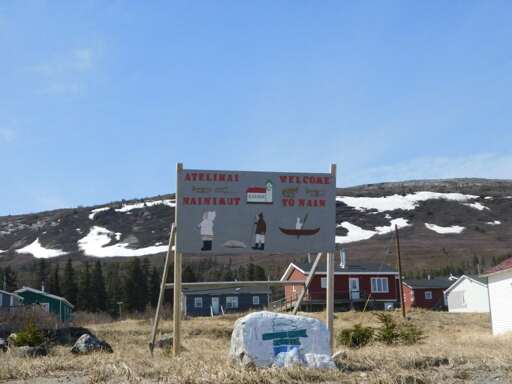
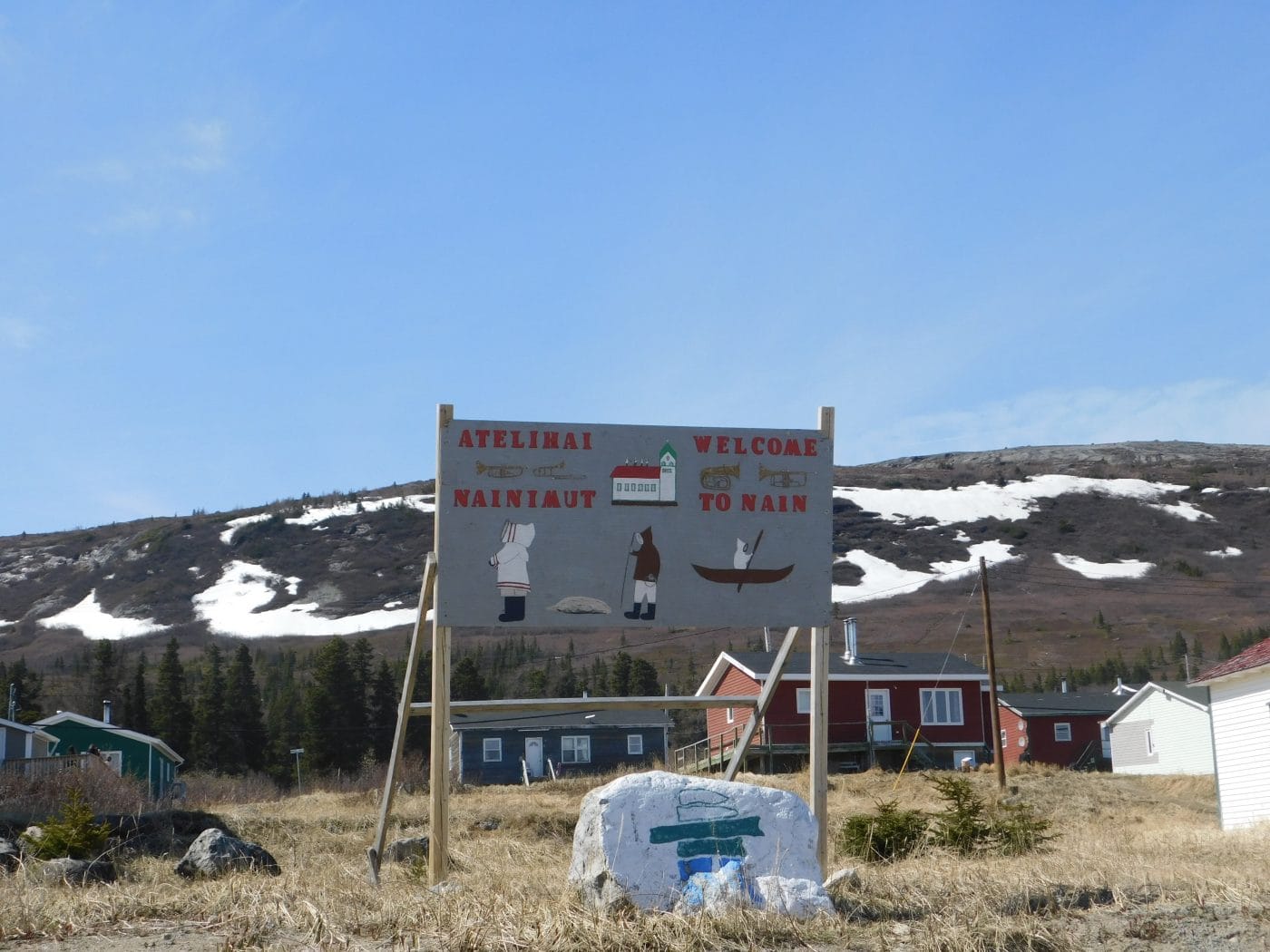
Nain is a community at the forefront of change. What’s happening here is being seen elsewhere in the North, and will continue to as the climate warms, thawing and reshaping the foundations on which communities are built.
As Canada eyes expansion and development in the Arctic, thawing permafrost could have a big impact. So what is it — and how fast is it changing?
Climate change and human activity are driving permafrost thaw
In another part of the community, there used to be a convenience store called Puffin Snacks, where everything — including the building — was tilted to one side. “If you walked into the building, you just started running in because it was just so sloped,” Michelle Saunders, a Nain resident and research manager for the Nunatsiavut Government, recalls.
Puffin Snacks, too, was built on permafrost — a study on permafrost in Nain, published in 2021, shows that much of the infrastructure across the community has been impacted in some way as the ground shifts and sinks beneath it.
As the climate changes — far faster in the Arctic than elsewhere around the world — permafrost is thawing as temperatures rise.
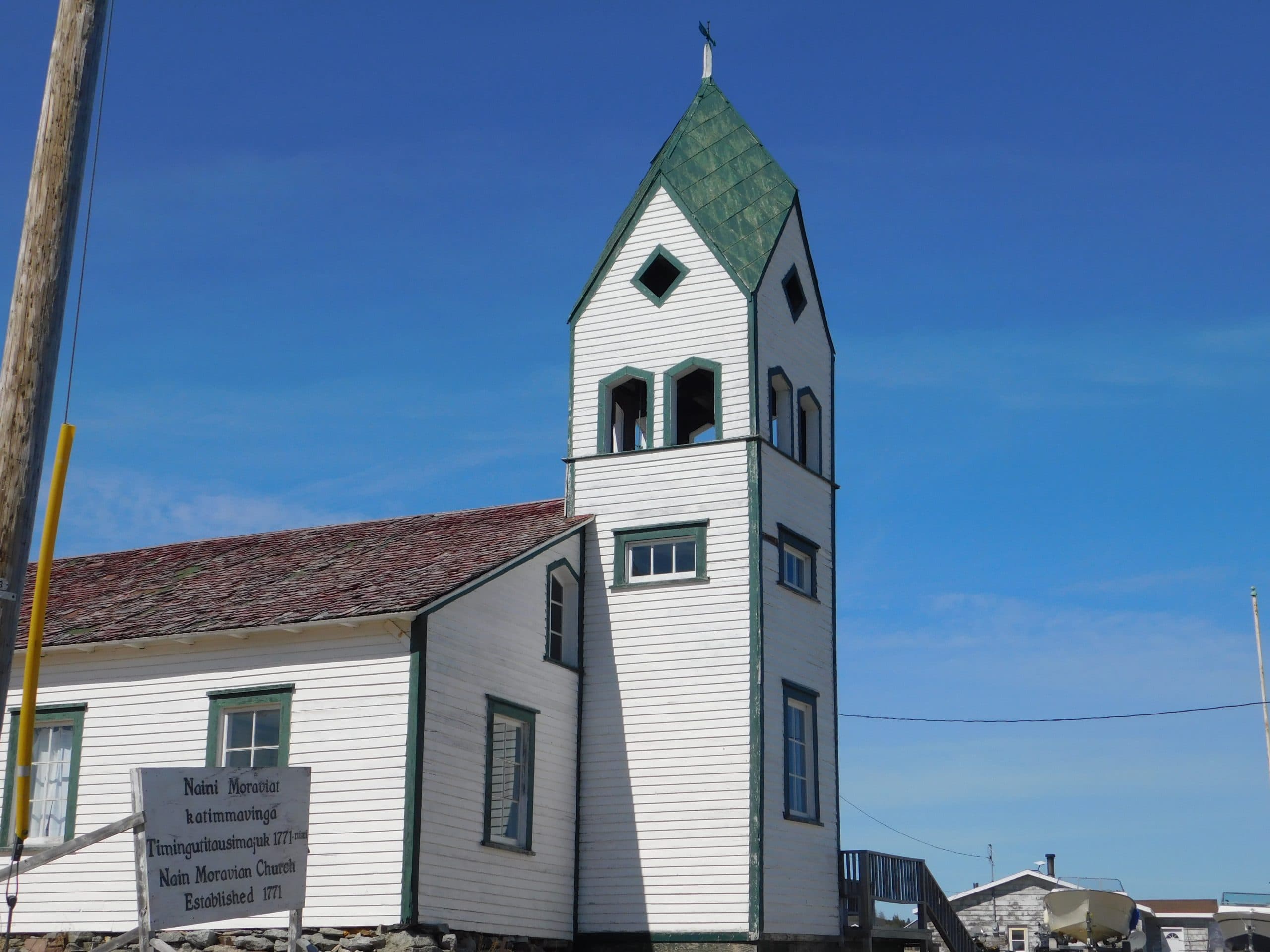
Nain was established in 1771 by Moravian missionaries. Today, the Moravian church is one of many buildings in town affected by permafrost thaw and shifting ground.
Robert Way, an associate professor at Queen’s University in the Department of Geography and Planning, is from Labrador and is one of the authors of the study on permafrost in Nain. Spending three to four months each year in Happy Valley-Goose Bay, Labrador, and the rest of his time in Kingston, Ont., he studies the impacts of climate change in the subarctic region.
In addition to climate change, Way says human activities such as construction of buildings and roads can also impact permafrost. “Building a house over top of permafrost, especially in areas where the permafrost is relatively warmer, often will contribute more heat into the system and will result in permafrost starting to thaw,” he says. Building roads also leads to stripping vegetation and piling up snow, which he says can also impact the permafrost underneath.
These changes are on the minds of Saunders and her colleagues, as they manage and facilitate research programs in and with Nunatsiavut communities. And it affects their personal lives too.
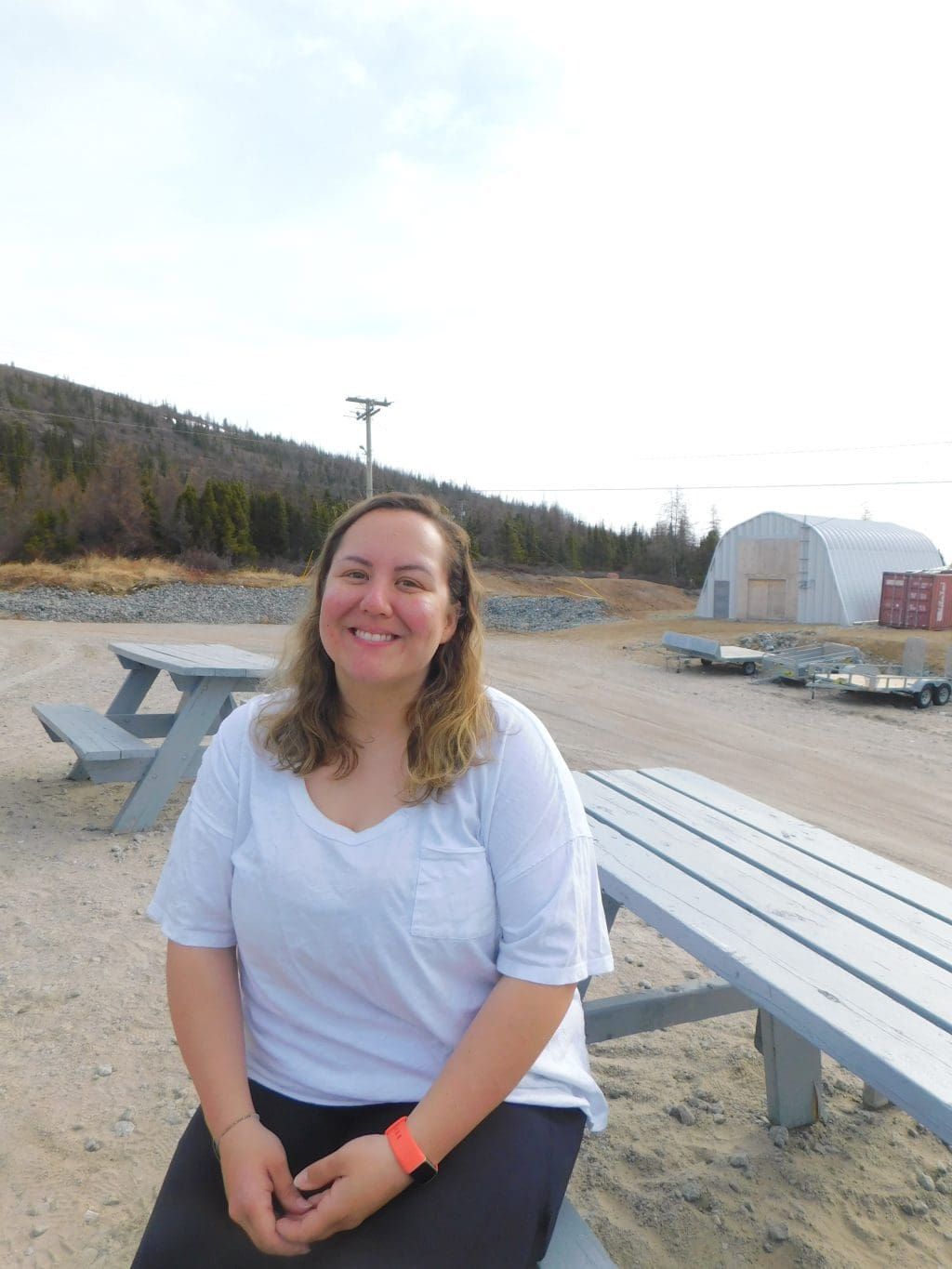
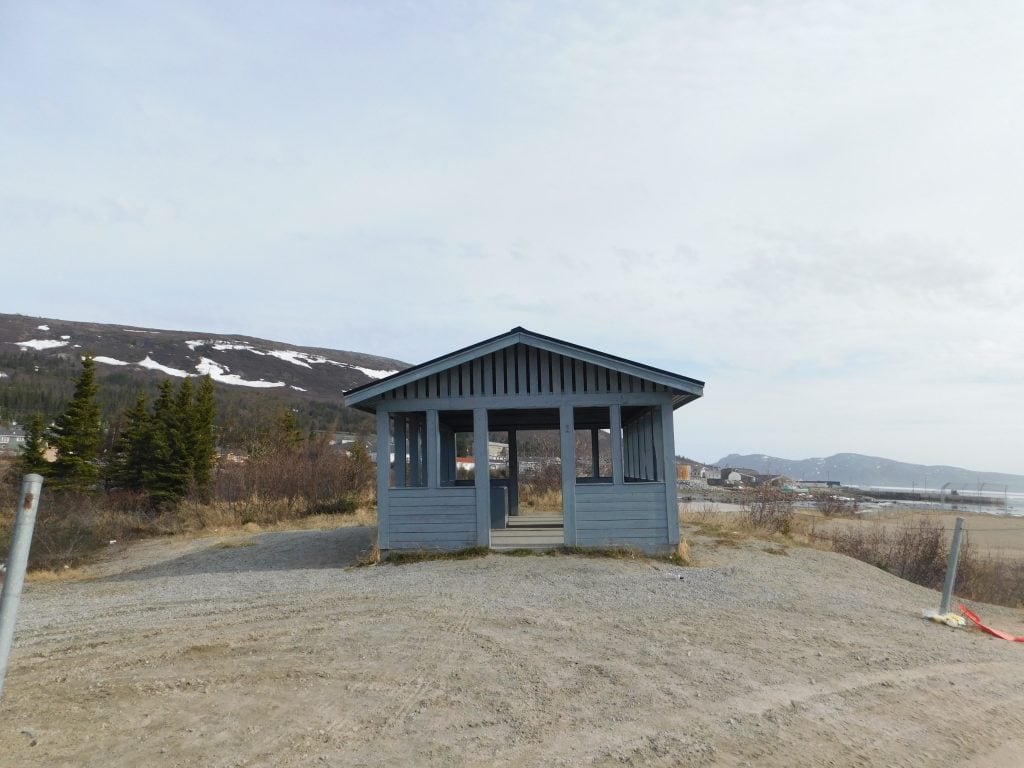
Michelle Saunders, a Nain resident and research manager for the Nunatsiavut Government, worries about building a cabin on shifting ground. Many structures in town, such as this playground gazebo, are tilting as the permafrost beneath them thaws unevenly.
Saunders, who moved to Nain five years ago, is thinking of building a cabin. Permafrost thaw, she says, is a risk she considers with possible locations. “Is this actually a good spot? Will this cause my cabin to shift over time? And I am not totally sure how to figure that out.” Because permafrost thaw is a recent phenomenon, she cannot use knowledge from Elders or other knowledge holders to help figure out where to build on lands with no permafrost.
For her and other residents of Nain, the ground shifting under their feet is a reality that can’t be ignored. “I think it’s something you have to think about now, for sure,” she says.
Permafrost thaw can damage not only infrastructure but also vegetation and wildlife found on top of it.
Across the North, Way says, the permafrost layer can range from a single metre to thousands of metres thick.
If the average year-round temperature in a region is zero degrees or below, Way says, you generally start to encounter permafrost. “You really start to have a lot of permafrost once you get in the vicinity of Nain, and moving north from there,” Way says.
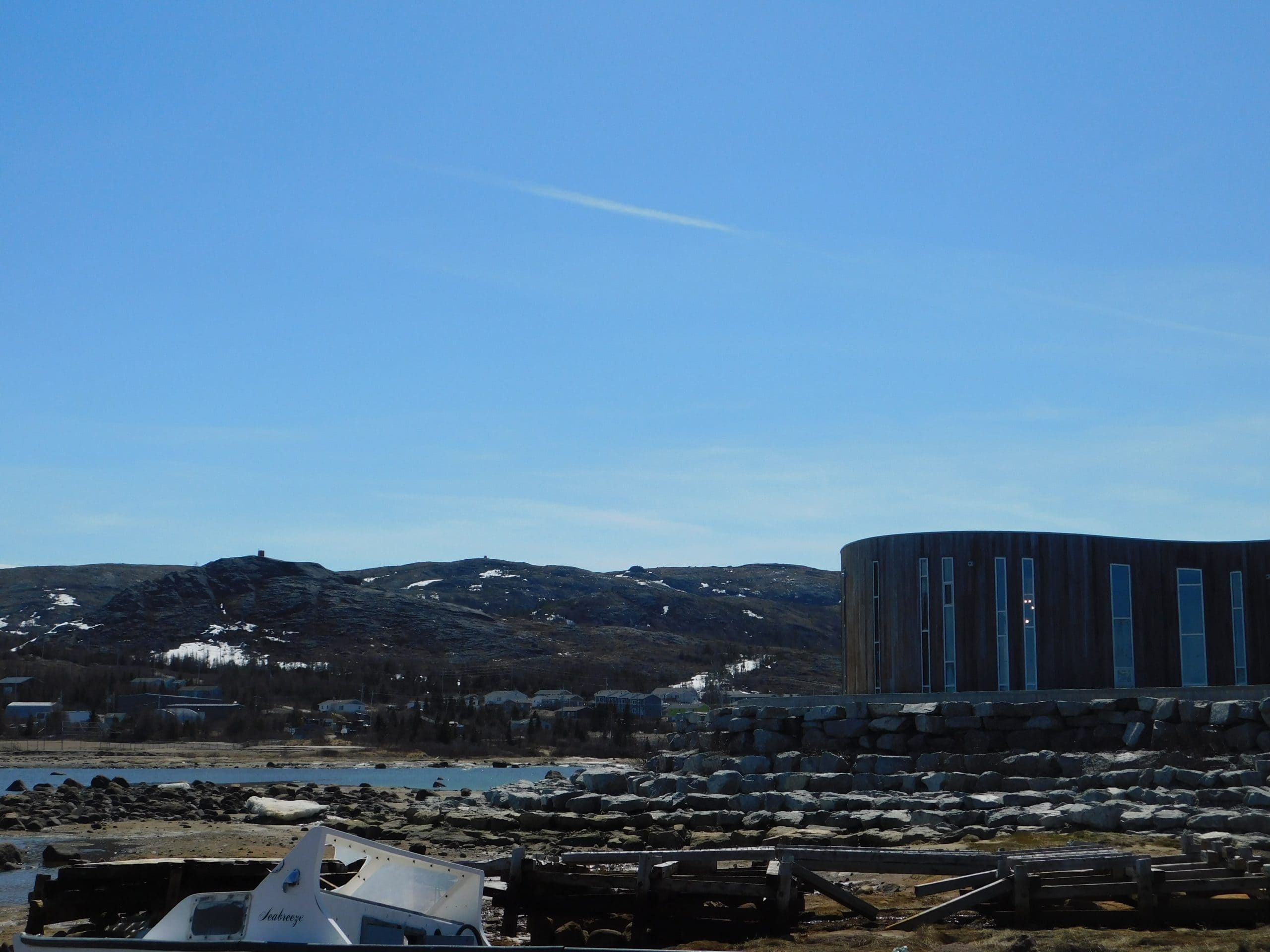
The Illusuak Cultural Centre in the heart of Nain is one of the community’s newer buildings. A 2021 report cautioned future community expansion and site-selection initiatives need to factor in permafrost.
Way says that with permafrost thaw, change is gradual at first — and then sudden. “It actually takes a lot of energy to melt that ground ice,” he says, adding, “What you’ll see happen is it’ll take sort of a while before it thaws, maybe numbers of years. But, then once it starts to thaw, you start to see the surface usually sinking down.”
Permafrost thaw impacts everything in the natural environment
Nain sits at the edge of the Labrador Sea, at 57 degrees north — roughly on parallel with Fort McMurray, Alta.
It’s surrounded by rocky mountains covered in lichen, capped in snow well into May.
The gravel airstrip hugs the community’s shore, suitable only for a twin otter plane or smaller, with the smell of sea salt wafting up from the Labrador Sea.
The houses are colourful, standing out against the red, green and white of shrubs and trees, some standing unevenly on sloping ground.
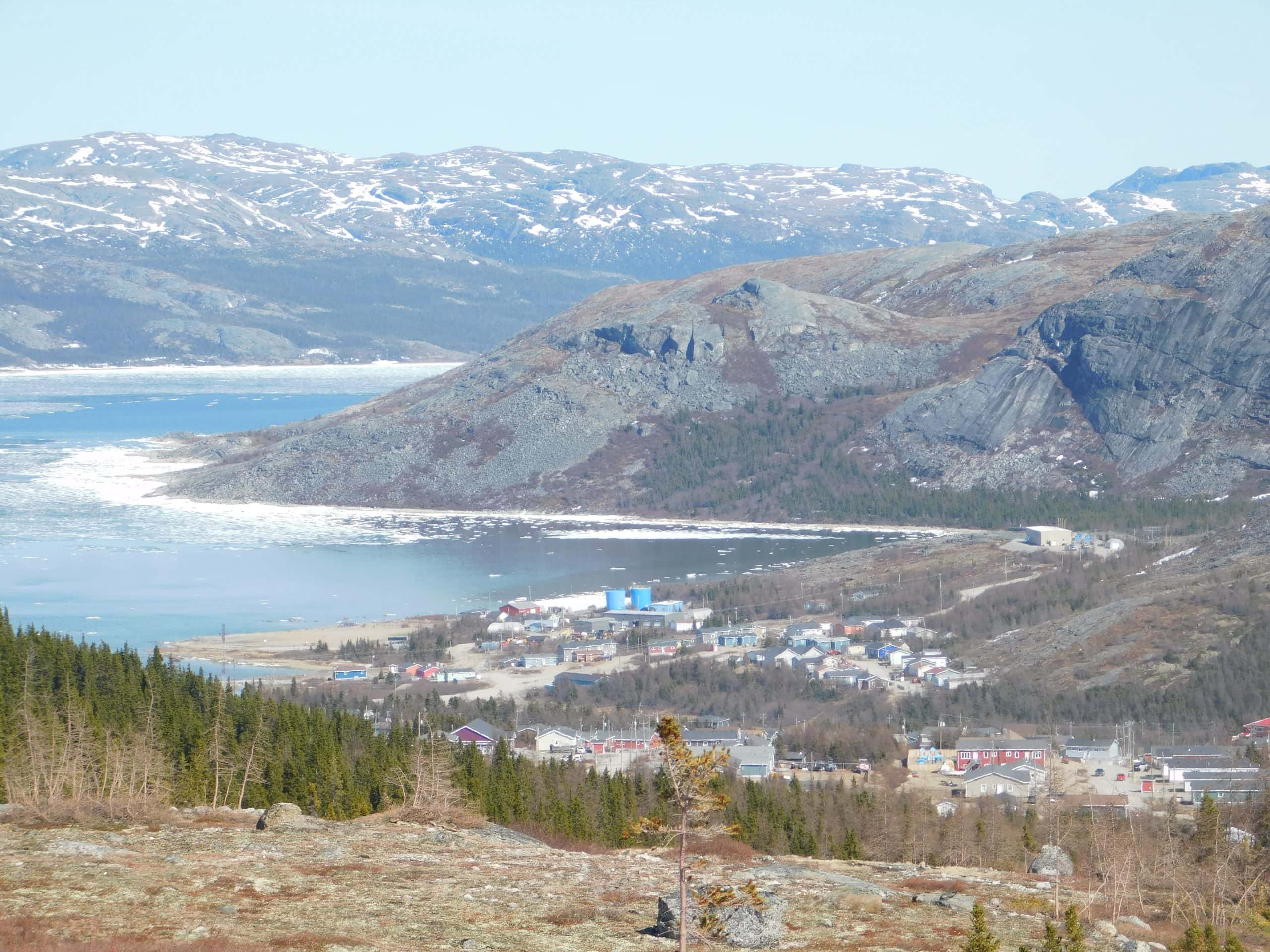
As permafrost melts, it releases carbon dioxide and methane, contributing to global warming. As it thaws, it may transition from being a global carbon sink — storing as much as 1.7 gigatons of carbon dioxide — to a global emitter.
As well as being the largest, Nain is the northernmost community in Nunatsiavut, a 72,520-square-kilometre, Inuit-governed area that includes five communities in total. The permafrost found here is discontinuous, which means it’s interspersed with patches of unfrozen ground, Way says.
Permafrost is also found in the southern regions of Labrador, in high mountains and hills that have blowing wind patterns in winter, and along the south coast in peatland areas. Way says that in Labrador, snow thickness is one of the most important controls on the distribution of permafrost. He says thicker snow insulates the ground, leading to more peatland permafrost in the most wind-exposed sites where snow is less likely to accumulate.
And it can be found beneath the ocean in shallow waters in the High Arctic, Way says. There’s a rare patch of more southerly subsea permafrost in Webb Bay, north of Nain.
As permafrost thaws, it releases carbon dioxide and methane, which both contribute to global warming. Around the world, permafrost stores as much as 1.7 gigatons of carbon dioxide — about three times more than what’s currently found in the atmosphere. And while permafrost has historically acted as a “carbon sink” — storing massive amounts of carbon from dead plants and decaying organic matter underground — that thaw may turn it into a carbon emitter.
Subsea permafrost thaw beneath coastal waters also releases greenhouse gases, and the warming Arctic Ocean could release up to 250 gigatons of carbon dioxide by the year 2100, according to 2021 estimates from the International Cryosphere Climate Initiative. Another estimate, from the European Space Agency Climate Office, predicts that by the end of this century, thawing permafrost will emit more greenhouse gases each year than all of the European Union countries combined, amplifying climate change more than what it is now.
Beyond greenhouse gases, permafrost thawing contains other risks — including the carcinogen radon, and the remains of humans and animals, which may contain still-active pathogens. The Canadian Wildlife Association says infectious diseases such as smallpox, anthrax and the 1918 influenza are among the potential risks, as well as unknown pathogens from generations ago.
Thawing permafrost has impacts on daily life in Nain
Angnatok is a fisherman in Nain, and turns his fishing boat into a research vessel at the end of the fishing season. He has been a part of various research teams, including one studying permafrost thaw around Nain, and he’s seen how it plays into everyday life in Labrador — for the better and the worse.
He recalls collecting Arctic char from fishermen along the north coast of Labrador, where they would use snow to keep the fish frozen and then when the snow melted, “they would start digging away the ground,” he says, to reach the permafrost. “They would start chopping that ice down and using that to keep their char cold.”
He’s also seen it shift, like near Nain’s airport building. “If you dig down, even just three or four inches, you’ll hit solid permafrost.” The airstrip is one of many sites around town listed in the 2021 report as having permafrost underneath. That report recommends long-term temperature monitoring at depth to study permafrost, and cautions that future community expansion and site-selection initiatives need to factor in permafrost.
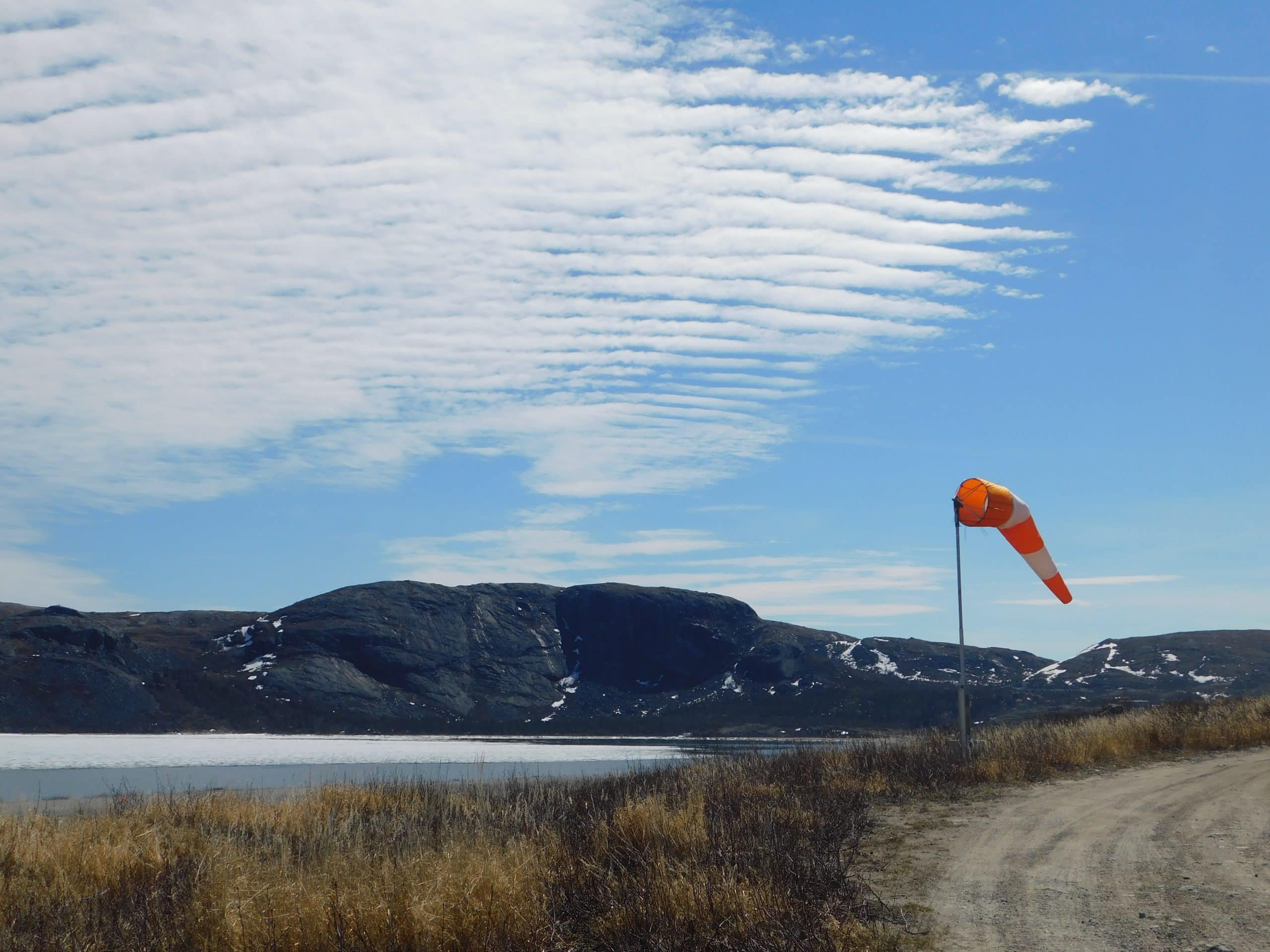
Though climate change is primarily driving permafrost thaw, human activity is also a factor, as development can warm the ground below.
As well as climate change thawing permafrost**,** it can also thaw due to human activities, such as building roads or houses, which makes the ground underneath warmer and changes the way the environment is managed.
In much of the Arctic, homes and other buildings are constructed on stilts and piles to keep them from warming the permafrost below.
Chaim Andersen is the infrastructure planning coordinator for the Nunatsiavut Government, and sees the impacts of permafrost thaw in the community. “It’s a huge problem, especially for housing, because obviously we get really cold winters.” If the ground thaws and shifts, it can damage the housing above it. “Then there’s opportunities for cracks to be in the wall and for drafts to come through during the winter, which makes it really difficult to heat the home,” Andersen says, adding that the costs of heating are already high in the region.
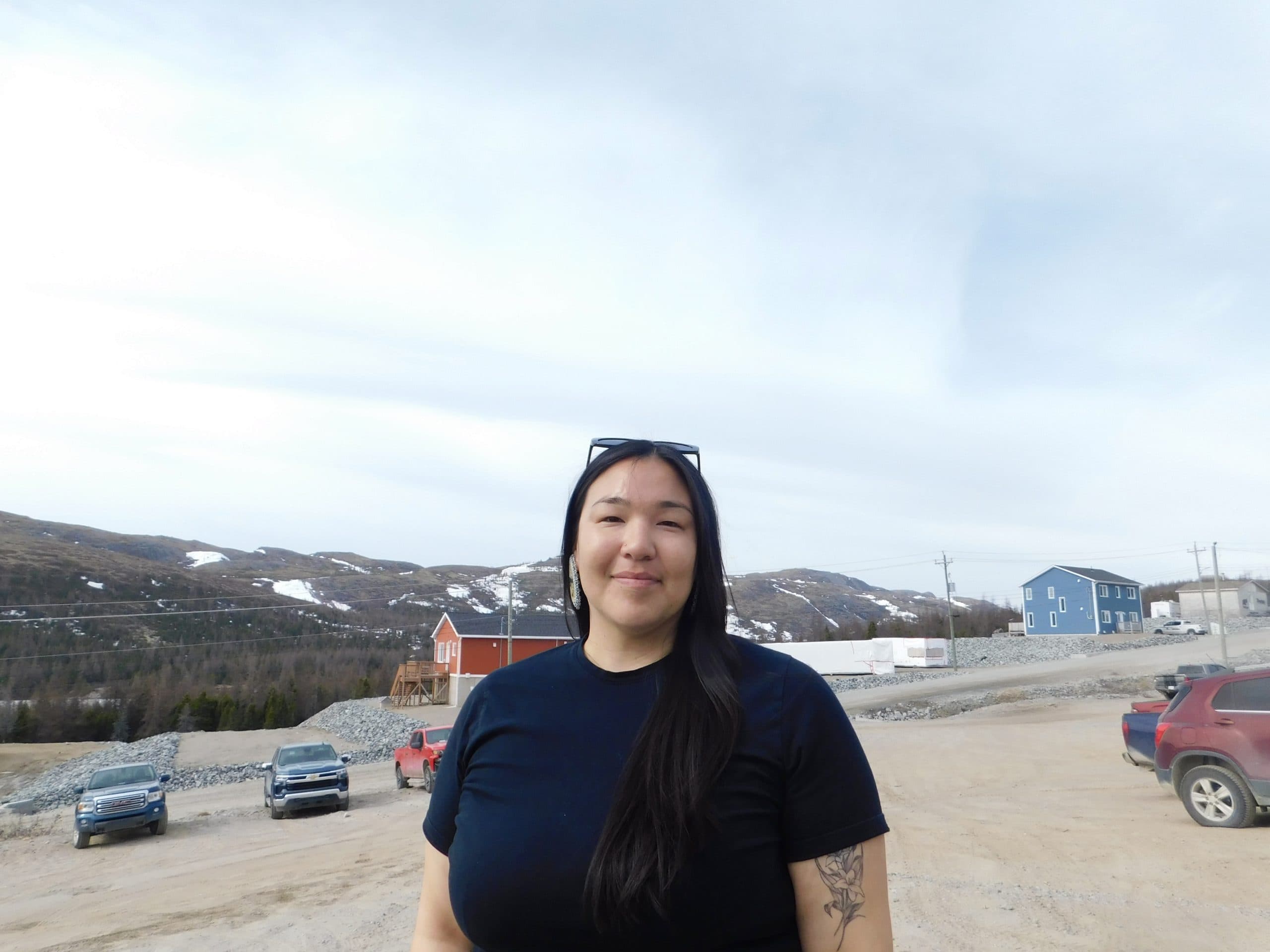
Chaim Andersen, the community climate change liaison for the Nunatsiavut Government, says the damage to homes from permafrost thaw can make it harder to keep houses warm in winter, and raise heating costs for residents.
Andersen’s role includes planning and implementing infrastructure projects, navigating what housing needs in the community exist and also what infrastructure needs there are. She says in the remote community, accessing materials for repairs can be challenging.
“If there are any kind of identified areas in community that have permafrost, there’s kind of two things that happen. One is either it makes the land difficult to develop on, or you can’t develop it all because the buildings need to be up to standard and having that foundational instability makes it really difficult,” Andersen says.
Permafrost, land and water: it’s all connected
Yifeng Wang, a research scientist for the federal government on permafrost research, says that permafrost can impact other parts of the ecosystem, and vice versa.
“If you have shrubs, they tend to trap the snow in the winter, and that creates a thick, insulating blanket almost over the ground.” This can cause permafrost to thaw.
Vegetation found on mounds of permafrost in northern Labrador includes lichen, and berries such as bakeapples, redberries or blueberries, Wang says. Animals like caribou rely on these plants as a food source, and are impacted by permafrost thaw.
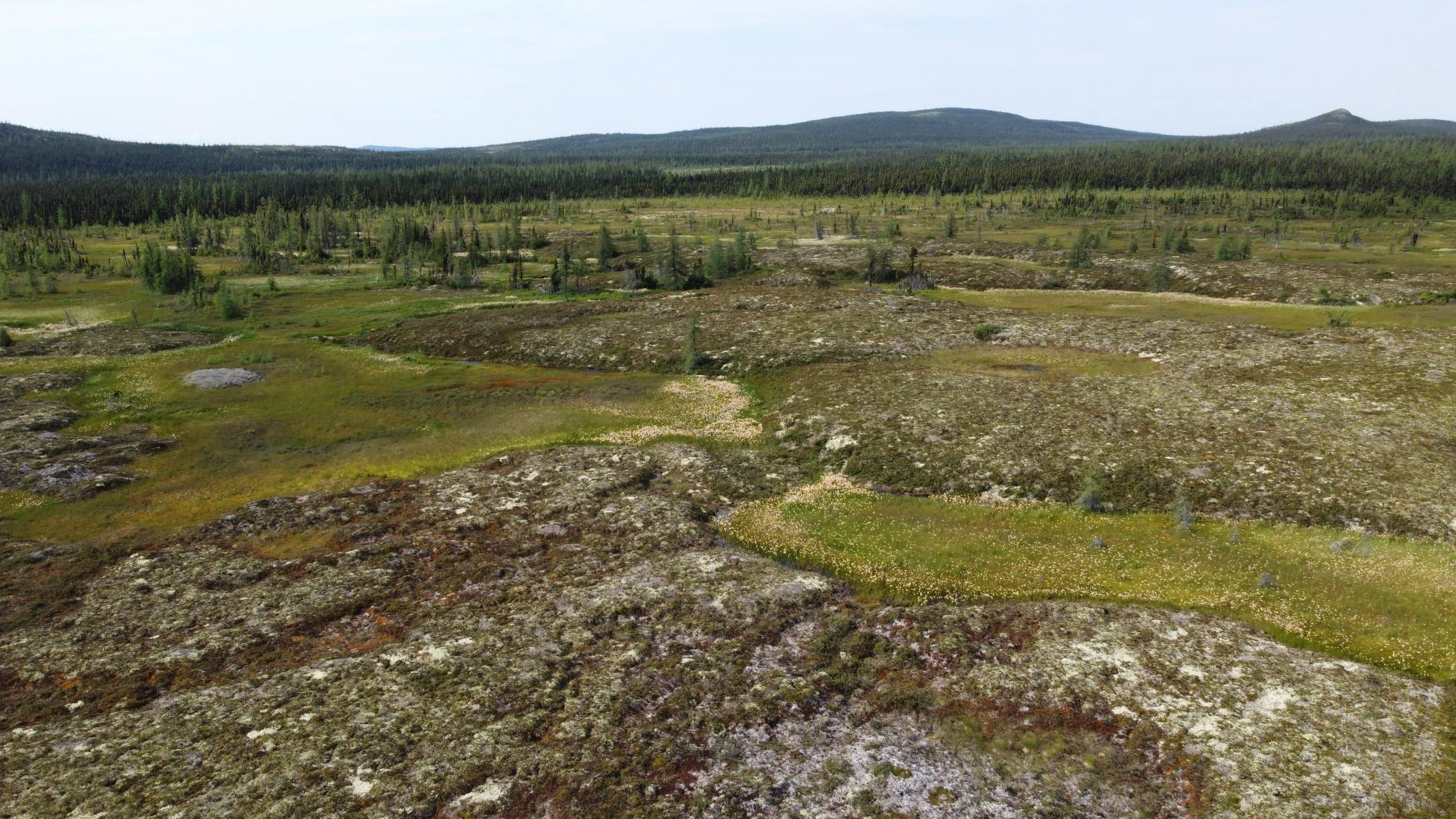
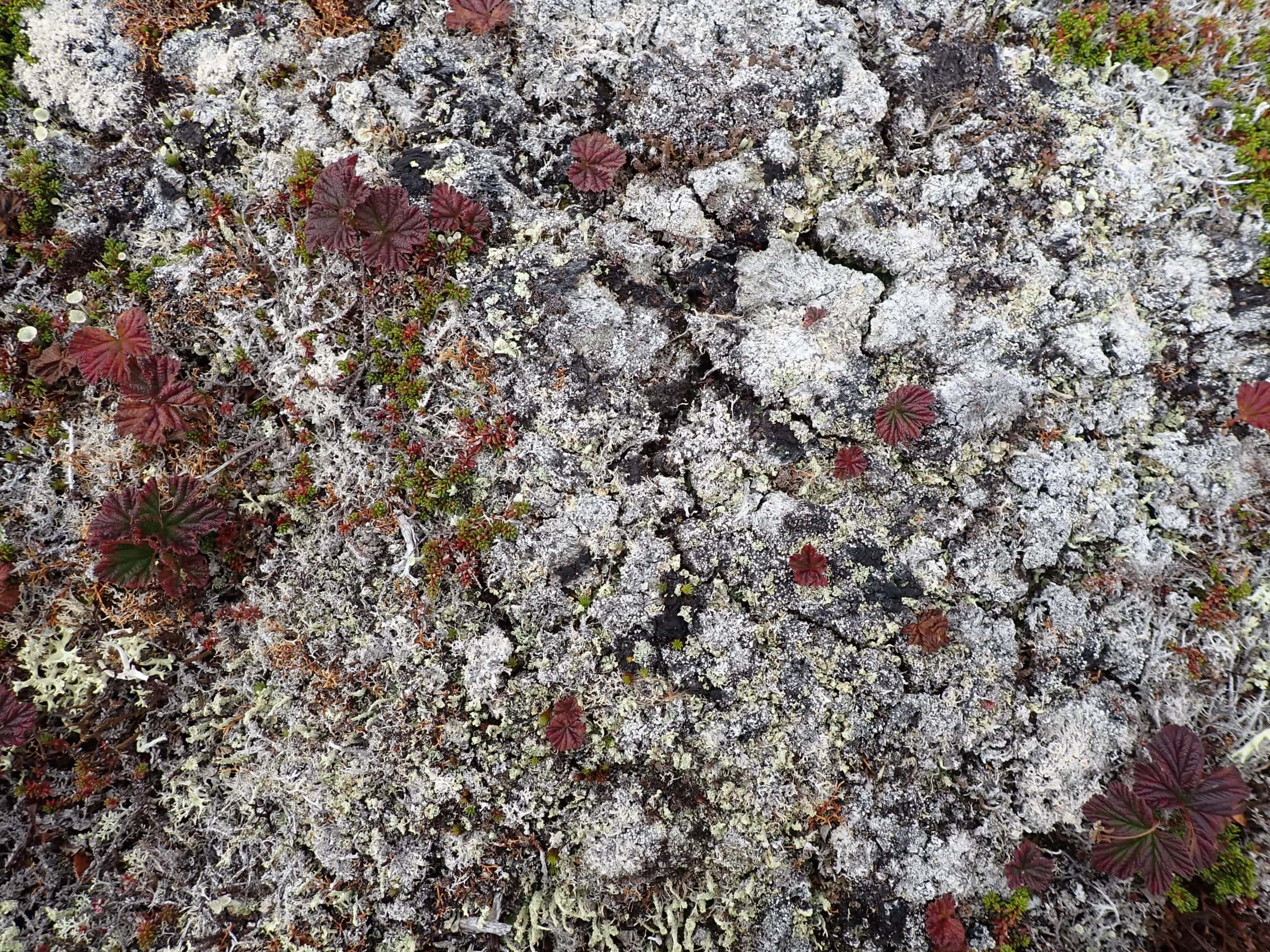
A peat plateau near Rigolet, Labrador. The permafrost, which is slightly raised, is covered in small shrubs and lichen, while the surrounding peatland is wetter. Lichens, crowberry and bakeapple all grow over permafrost, supplying wildlife with important foods. When the permafrost thaws, it impacts the animals that depend on its vegetation. Photos: Supplied by Yifeng Wang
Angnatok wonders if the Arctic char habitat around Nain is being affected by subsea permafrost thawing, “because the permafrost below the ocean appears to be melting also, so therefore the waters are warming during the summer season in the areas. What effects is that having on, like, say char or anything else in that area?” Species that were never found near Nain, like salmon, are now being observed in the surrounding rivers; he and other community members wonder if this shift is linked to the permafrost thaw.
Permafrost thaw in the Arctic and subarctic is impacting everything in the ecosystem, including the people who have built their lives on top of it. As shifting ground becomes more common beneath northern communities, damaging infrastructure and altering the landscape, the growing challenge of thawing permafrost is a reality that can’t be ignored.
The Narwhal’s reporters are telling environment stories you won’t read about anywhere else. Stay in the loop by signing up for our free weekly dose of independent journalism.
From The Narwhal | News on Climate Change, Environmental Issues in Canada via This RSS Feed.