

Haiti’s Provisional Electoral Council announced this Monday a modification of the official electoral calendar, setting December 13 as the new date for the first round of the presidential elections.
The electoral authorities established that the second presidential round and local authority elections will take place on February 21, 2027. The publication of final results for territorial collectivities is scheduled for March 12 of the same year, extending the institutional transition phase in the Caribbean nation.
The postponement also affects legislative elections and the popular consultation to ratify constitutional reforms, originally scheduled for August 30.
RELATED: UN Highlights Electoral Progress in Haiti and Warns of the Power of Armed Gangs
The electoral body emphasized that the actual holding of the vote will be subject to the consolidation of minimum citizen security conditions across the territory. It also stressed the urgent need for sufficient financing to organize the electoral process in a country severely affected by social instability and criminal violence.
This extended timeline reflects the complexity of organizing elections in a nation that has endured a decade without electoral processes to renew representatives of public powers.
LE CONSEIL ELECTORAL PROVISOIRE PUBLIE OFFICIELLEMENT LE CALENDRIER ELECTORAL 2026-2027 pic.twitter.com/2affzskvkG
— CEP HAITI (@cep_haiti) July 27, 2026
Text reads: “Provisional Electoral Council officially publishes the electoral calendar 2026-2027.”
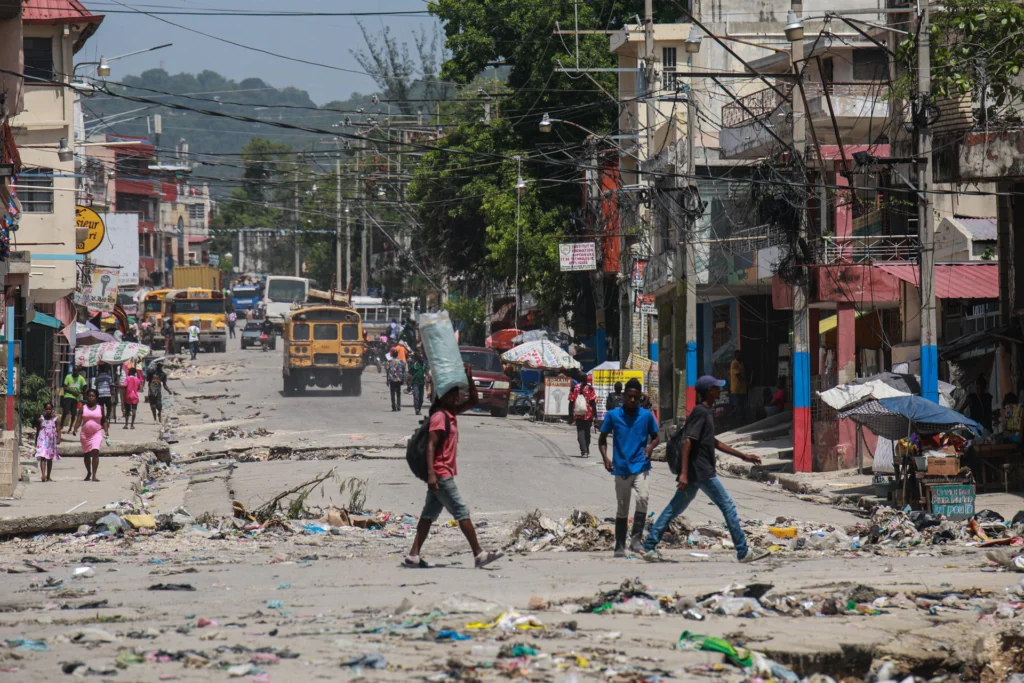
Criminal violence deployed across wide areas of the country represents the main challenge to guaranteeing voter mobilization toward polling stations. The most affected zones include the capital Port-au-Prince and surrounding departments, where armed groups control key access routes and have displaced thousands of families from their homes.
Community sectors have insisted that restoring tranquility and strengthening basic services are indispensable conditions for achieving transparent democratic participation. Without these fundamental guarantees, electoral authorities acknowledge that the legitimacy and security of the process could be compromised.
A Decade Without Elections
Haiti has experienced a prolonged institutional vacuum, having gone a full decade without celebrating electoral processes to renew the representatives of public powers. This governance gap has been exacerbated by a series of political crises, the 2021 assassination of President Jovenel Moïse, and the progressive expansion of armed group control over significant portions of national territory.
The new electoral calendar seeks to offer a clear route toward democratic refoundation and the reestablishment of constitutional order in the sister republic. However, skepticism remains high among large segments of the population who have witnessed multiple failed attempts to stabilize the country through electoral mechanisms.
Caribbean organizations and regional bodies remain vigilant regarding the development of the process to ensure that the popular will is respected without pressure or political conditioning from foreign powers. The Caribbean Community (CARICOM) and other regional actors have offered technical and logistical support to strengthen the electoral framework.
The international community has expressed conditional willingness to finance the electoral process, but disagreements persist over oversight mechanisms and the role of international observers. Some Haitian civil society organizations have warned against excessive foreign involvement in the country’s internal affairs, arguing that past interventions have failed to produce sustainable democratic outcomes.
For millions of Haitians, the December vote represents a fragile hope for breaking the cycle of instability. Yet the path to the polls remains obstructed by violence, poverty, and institutional weakness.
From teleSUR English via This RSS Feed.