

Erin In The Morning is a reader-supported publication. To receive new posts and support my work, consider becoming a subscriber.
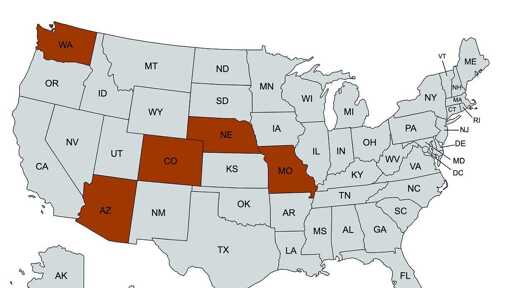
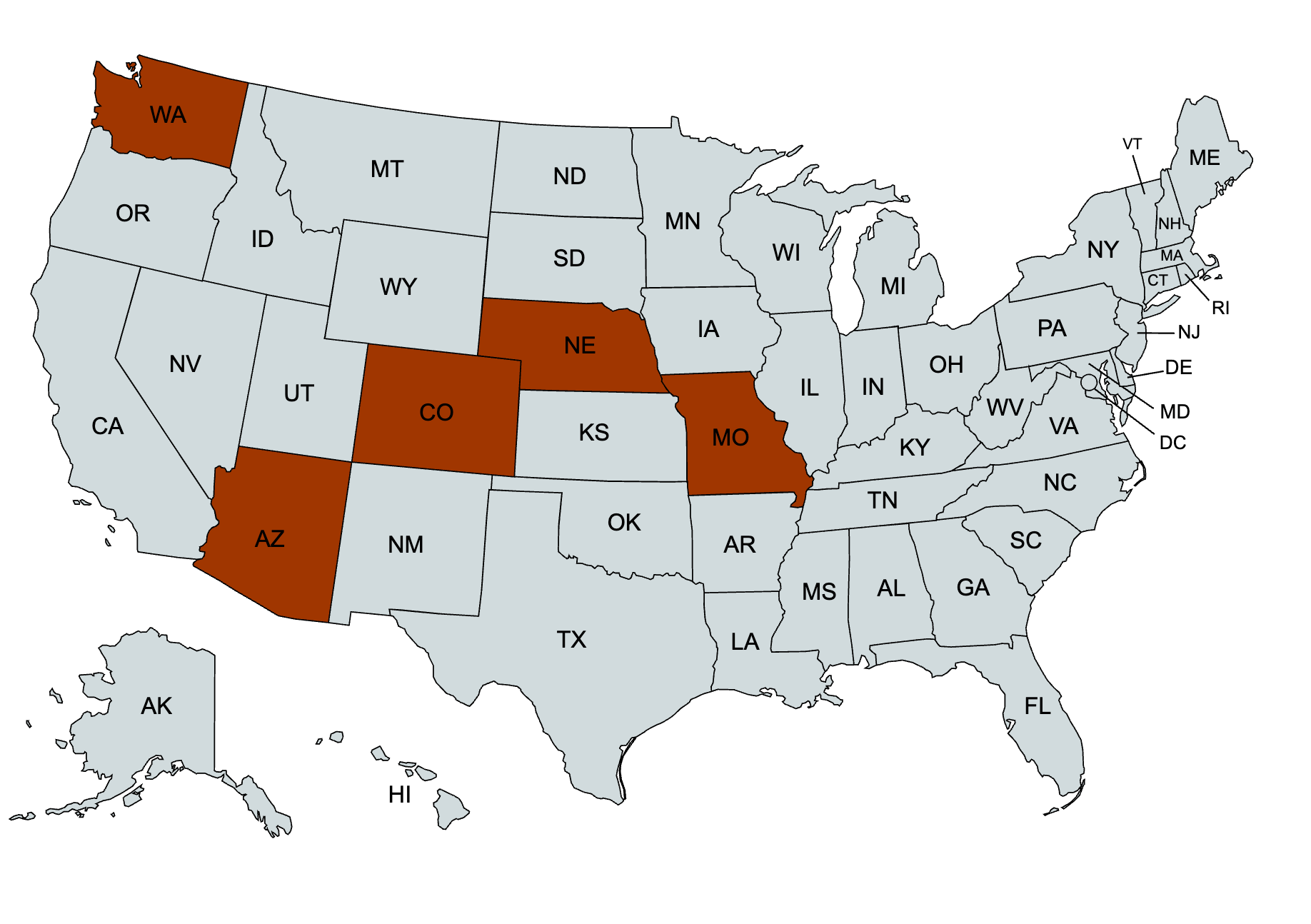
As the 2026 elections approach, transgender people across the country are watching one fight in particular: a wave of anti-trans ballot measures heading directly to voters this November. Five states—Arizona, Colorado, Missouri, Nebraska, and Washington—are set to put measures before the electorate that would target transgender people in sports, medical care, and in Arizona’s case, bathrooms and locker rooms in schools, with funding tracked by a groundbreaking new Ballotpedia investigation. A sixth measure in Maine was invalidated. It is the first time in American history that voters will decide on anti-transgender measures at the ballot box—a strategic shift that advocacy groups have compared to the anti-gay-marriage amendments that swept state ballots in 2004. For transgender people who have sought refuge in blue states to escape the bans spreading through Republican-controlled legislatures, these measures represent a new and more direct threat: the possibility that their neighbors, not distant lawmakers, will vote to strip their rights.
One of the central fights will be in Washington, where a ballot initiative funded by conservative hedge fund manager Brian Heywood would institute a K-12 sports ban—and require every girl who wants to play to have her sex verified by a doctor first. The measure’s language is explicit: to be eligible, a student must provide a statement from her health care provider “that verifies the student’s biological sex, relying only on one or more of the following: the student’s reproductive anatomy, genetic makeup, or normal endogenously produced testosterone levels.” That requirement applies not to transgender students specifically but to every girl in the state who wants to play any sport with a sex-separate classification—from basketball and soccer to cheerleading, bowling, and golf. The initiative is bankrolled by Heywood’s Let’s Go Washington PAC, which has raised $7 million. The Washington Interscholastic Activities Association, which has allowed transgender students to compete in line with their gender identity since 2007, is aware of roughly 10 out transgender student-athletes among the more than 200,000 who compete statewide. Opposition is being led by the No Hate in WA State coalition, which has raised roughly $1.6 million, according to reporting at Ballotpedia.
“In their witch hunt for a few trans kids in the entire state who play school sports, I-638’s backers will drive thousands of girls out of sports because their parents cannot afford the necessary testing or refuse to submit their daughters to genital inspections,” said Megan Rapinoe in an op-ed against the Washington initiative. “That’s a feature, not a bug, of these laws. Preventing girls from playing sports is the whole point. Spaces that leave girls and women feeling empowered are the spaces they want to constrict—and then eliminate.”
Another fight drawing national attention is in Colorado, a blue state with some of the strongest transgender protections in the country. Two initiatives will appear on the November ballot: one banning all gender-affirming surgery for anyone under 18—a category that includes not only genital surgeries opponents fixate on (and vastly do not happen for trans youth) but also chest masculinization surgery for older transgender teenagers—and another banning transgender students from playing on sports teams matching their gender identity from kindergarten through college. Both are backed by Protect Kids Colorado, led by anti-LGBTQ activist Erin Lee. The opposition campaign, Families Not Politics, is led by One Colorado and includes Planned Parenthood of the Rocky Mountains. “One could expose students to invasive inspections just to play sports, while the other would place politicians between families and their doctors in deeply personal health care decisions,” said Nadine Bridges, One Colorado’s executive director, in a statement to Colorado Newsline.
Though Arizona is not a blue state, it bears close watching for the same reason. Democratic Gov. Katie Hobbs has vetoed anti-trans legislation for years—Proposition 318 is now their vehicle to bypass her. The measure would extend Arizona’s existing ban on transgender girls in girls’ sports to private schools and club sports, and add a new restriction barring transgender students from using restrooms, locker rooms, and showers matching their gender identity. The ACLU of Arizona condemned the measure: “Trans youth deserve the same opportunities, experiences, rights, and protections as every other student,” said Katelynn Contreras, the organization’s policy strategist. There appears to be no broad-based campaign against this measure, according to reporting at Ballotpedia.
Two red states round out the list. In Missouri, Republican lawmakers bundled a ban on all gender-affirming care for minors with a repeal of the abortion rights amendment voters approved less than two years ago. The Stop the Ban Missouri coalition has raised $5.2 million to fight it, including $2.5 million from the ACLU Foundation, against proponents’ $1.6 million, per Ballotpedia. In Nebraska, the Fairness for Girls campaign submitted 211,000 signatures for a constitutional amendment permanently banning transgender students from girls’ sports, funded almost entirely by a single dark-money group whose donors are undisclosed, per Ballotpedia. Meanwhile, a sixth state narrowly avoided the ballot: in Maine, a sports and bathroom ban bankrolled by Illinois billionaire Richard Uihlein was struck down after the state Supreme Judicial Court affirmed that more than 12,000 signatures had been improperly and some potentially fraudulently collected.
These five measures will mark the first time voters directly decide whether to strip rights from transgender people in the modern era—a playbook last deployed during the gay marriage fight and seeing new life in today’s anti-trans panic. Right-wing donors have poured millions into making these discriminatory measures happen, while opposition campaigns are outspent in nearly every state. If these measures succeed in blue states like Colorado and Washington, the map of where transgender people can safely live and raise families shrinks again, unless significant opposition from allied organizations can stand up to the onslaught.
Erin In The Morning is a reader-supported publication. To receive new posts and support my work, consider becoming a subscriber.
From Erin In The Morning via This RSS Feed.