

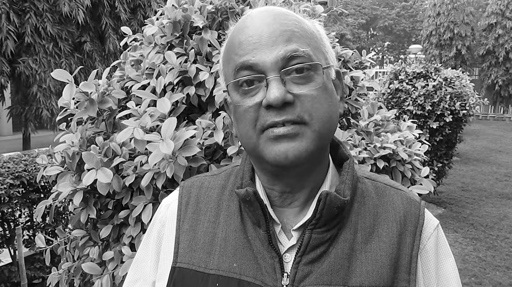
The first members had no office, no money, and little authority. They were schoolchildren in Patna, a crowded city on the Ganges, worried about the trees being cut around them. They met after class, visited other schools, planted saplings, and spoke to anyone willing to listen. Some traveled by bicycle to carry their message farther. Their organization had a name, Tarumitra, meaning “Friends of Trees,” though for a time it consisted mainly of students and a small circle of adults helping them. Among those adults was a Jesuit priest who believed that children could be trusted with serious work. Father Robert Athickal, who died on July 19th, aged 73, spent nearly four decades developing that idea. From its beginnings in Patna in 1988, Tarumitra grew into one of India’s largest student environmental movements. It established groups in schools and colleges across the country, trained generations of young campaigners, and created a reserve for threatened plants from the Gangetic plain. Athickal had few of the resources usually available to someone building a national organization. There was no large funder behind the project and no government mandate. He relied on his position as a Jesuit teacher, the cooperation of schools, and his ability to persuade students and adults that local environmental problems deserved their attention. Tarumitra’s early campaigns were designed to be practical and easy to reproduce. Students cleaned neglected plots, planted roadside gardens, and turned former garbage dumps into what they called “Oxygen Belts.” Other school groups could follow the…This article was originally published on Mongabay
From Conservation news via This RSS Feed.