

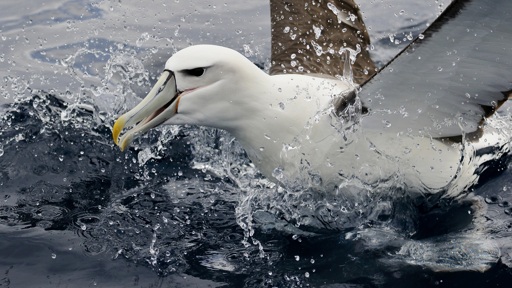
On the rocky shores of Tasmania, seals and seabirds can’t shelter indoors during a storm or turn on the AC during a hot spell. When extreme weather strikes, they’re exposed to the elements, especially when they’re tied to a clumsy pup or a nest of newly hatched chicks. The effects can be deadly. A study published in Science Advances in June found that extreme weather events like storms, heat waves and floods can interfere with the breeding success of important marine predators like seals, shearwaters and albatross that raise their young along the coasts. As these events become both more frequent and increasingly intense due to climate change, the study authors stress the need to monitor predator populations to better protect them from the effects, especially during vulnerable times in the breeding season. “Extreme weather events are becoming a new normal,” study lead author Milan Sojitra, a marine ecologist at the University of Tasmania, told Mongabay. “It is having an effect on ecosystems and species.” Marine ecosystems around the world are under stress from the effects of human-caused climate change, including heatwaves and warming ocean temperatures that can cause coral bleaching and mass die-offs of marine species. Tasmania, an island and Australian state 240 kilometers (149 miles) south of the mainland, is a climate change hotspot, with surface waters off its eastern coast warming three to four times faster than the global average, according to a 2018 study. The frequency and intensity of extreme rainfall and heat on the island…This article was originally published on Mongabay
From Conservation news via This RSS Feed.