

Mount Olympus in Greece and the beaches of Normandy (northern France), scene of the Allied forces’ landing in the largest amphibious invasion in history towards the end of World War II, were incorporated this Sunday into UNESCO’s World Heritage.
[Cuba and UNESCO Award Carlos J. Finlay Prize for Microbiology in Paris: UNESCO Adds New Sites to Its World Heritage List](https://www.telesurenglish.net/unesco-adds-new-sites-to-its-world-heritage-list/)
The UN organization for Education, Science and Culture made this decision during the annual assembly it is holding in the South Korean city of Busan.
UNESCO highlighted that the highest mountain in Greece, where the ancient Greeks located the home of their Olympian gods, became a central reference point for their mythology, while presenting impressive geological formations.
BREAKING!
New inscription on the @UNESCO #WorldHeritage List: The wider area of Mount Olympus, #Greece
.
https://t.co/iO4B0Cjg9u #48WHC pic.twitter.com/X82hQYF7or
— UNESCO (@UNESCO) July 26, 2026
Regarding France, the United Nations agency declared the beaches of the historic landing as World Heritage, which preserve remains of the 1944 events, such as artillery batteries and resistance shelters.
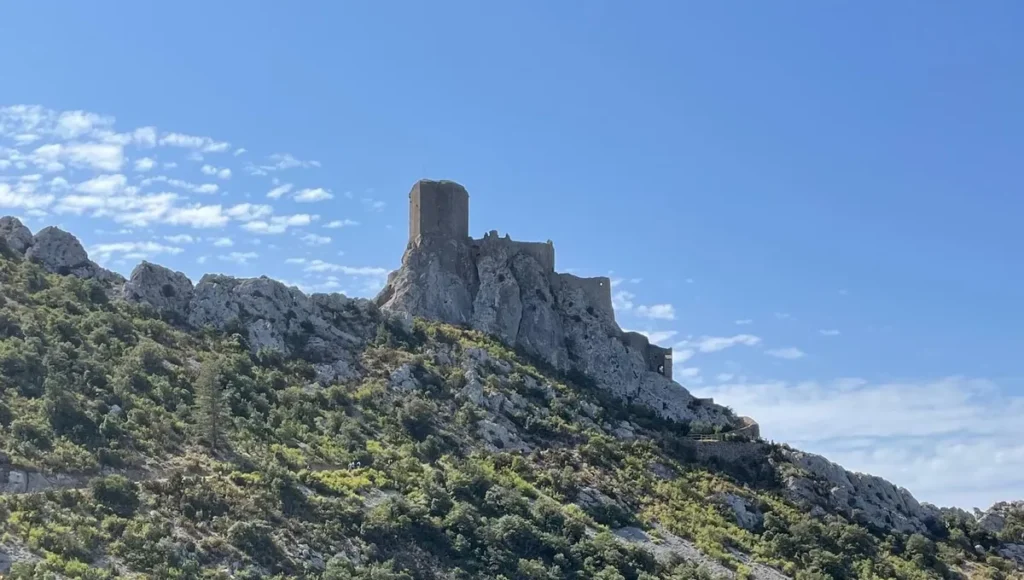
It also included the royal fortresses of Languedoc, in southern France, made up of a group of eight medieval castles.
UNESCO has included Italian condominium-style theaters, neoclassical constructions with Baroque influences from the 18th and 19th centuries, as part of its heritage.
These theaters, collectively owned and with public-private funding, were crucial for cultural development by expanding access to the performing arts and functioning as important social centers in historical centers.
New inscription on the @UNESCO #WorldHeritage List: The system of Italian-style condominio theatres of the 18th and 19th centuries in Central Italy, #Italy
.
— UNESCO (@UNESCO) July 26, 2026
The work of the Finn Alvar Aalto, one of the most influential architects of the 20th century, also became a World Heritage Site during the day.
The architectural complex of 13 buildings, made up of civic, community and residential structures spread throughout the Nordic country, exemplifies the modern movement and its response to social needs.
In Asia, Alamut Castle, among the Alborz mountains, in northern Iran, was added to the heritage list.
The Iranian delegation, which stated during a live broadcast intervention that this fortified network is an image of the country’s resilience and resistance, took the opportunity to denounce the damage to protected monuments within the framework of the ongoing war with the United States.
Other inclusions of the day have been the Boma-Badingilo terrestrial animal migratory corridor, in South Sudan; the ancient Japanese capitals of Asuka and Fujiwara, the modernist architecture of the capital of Uzbekistan, Tashkent; and the African colonial agricultural plantations of São Tomé and Príncipe.
From teleSUR English via This RSS Feed.