

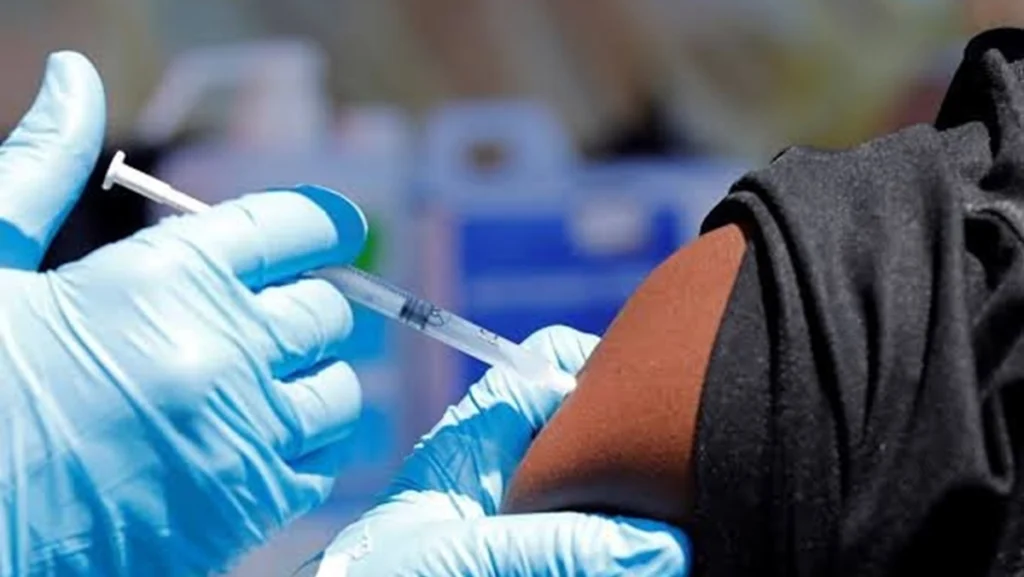
The vaccine was developed by scientists at the Oxford Vaccine Group and Pandemic Sciences Institute.
On Friday, the University of Oxford announced that the first volunteer has been successfully vaccinated in the world’s first clinical trial of a vaccine designed to protect against Bundibugyo ebolavirus.
RELATED:
Save the Children Reports 476 Child Cases in DRC Ebola Outbreak
The milestone marks the first time that the ChAdOx1 BDBV vaccine has been administered to humans, coming just weeks after the launch of the BD-Ebov study. The Ebola outbreak, caused by the Bundibugyo virus, was declared on May 15 in Ituri Province in Democratic Republic of the Congo.
The vaccine was developed by scientists at the university’s Oxford Vaccine Group and Pandemic Sciences Institute. The study team will continue recruiting and vaccinating volunteers over the coming weeks, while monitoring participants to assess the vaccine’s safety and the immune responses it generates.
Researchers said the vaccine candidate progressed from concept to clinical testing in just eight weeks, supported by collaboration among the University of Oxford’s Clinical BioManufacturing Facility, the Serum Institute of India and other partners.
The deadly Bundibugyo epidemic is already the third-largest Ebola outbreak on record, and infection numbers are continuing to rise.
Now, the world’s first vaccine candidate designed specifically to protect against Bundibugyo ebolavirus has entered human trials. Here’s what… pic.twitter.com/RoeSaGqcqD
— Gavi, the Vaccine Alliance (@gavi) July 24, 2026
The trial is funded by the Coalition for Epidemic Preparedness Innovations as part of an 8.6-million-U.S.-dollar program involving the University of Oxford and the Serum Institute of India to advance the development of vaccines against Bundibugyo ebolavirus.
Subject to regulatory approval, preparations are also underway for further clinical studies of the vaccine with partners in Uganda, according to the university.
If the early-stage trials are successful, the coalition expects to work with the University of Oxford and the Serum Institute of India to support late-stage trials and generate data required for emergency use authorization or formal licensure.
teleSUR/ JF
Source: Xinhua
From teleSUR English via This RSS Feed.