

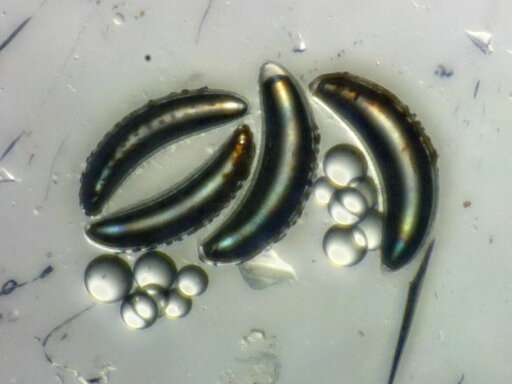
Deep-diving insect larvae are challenging a long-held idea about why there are almost no insects in the ocean, thanks to sturdy air sacs. In Lake Malawi in East Africa, billions of lake fly larvae (Chaoborus edulis) make an unusual commute: By day, they sink more than 200 meters (656 feet) into the lake’s oxygen-starved “dead zone” to hide from predators. By night, they rise to safely feed—but not before passing through a horde of waiting fish.
From Biology News - Evolution, Cell theory, Gene theory, Microbiology, Biotechnology via This RSS Feed.
You must log in or # to comment.