

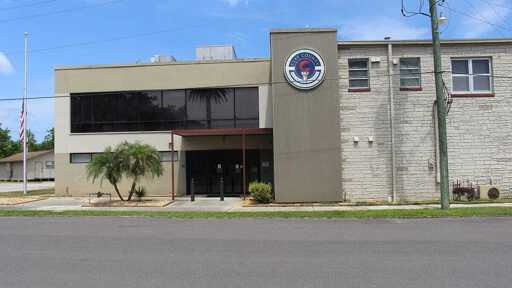
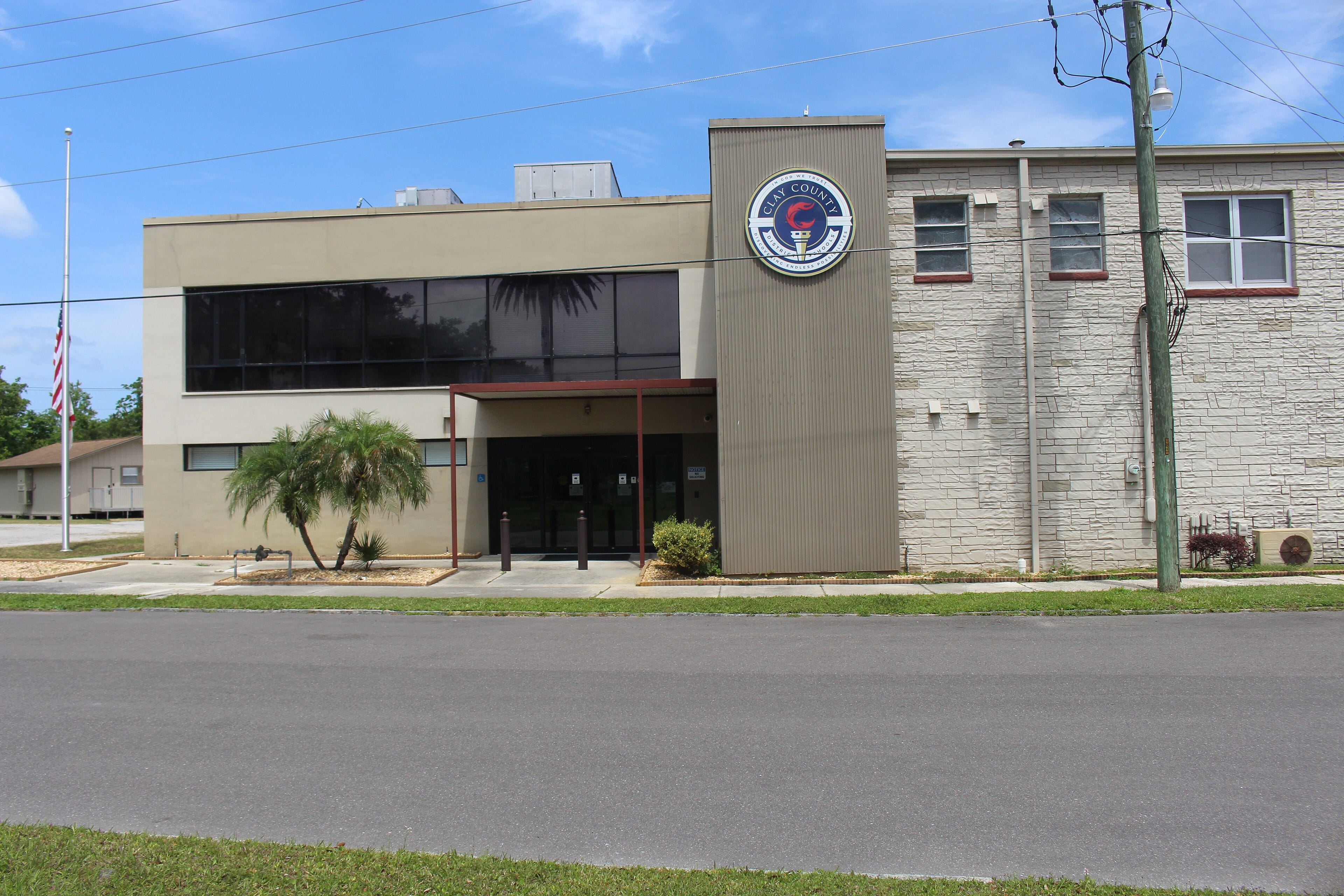
Clay County Schools // Michael Rivera // Wikimedia Commons
Erin In The Morning is a reader-supported publication. To receive new posts and support my work, consider becoming a free or paid subscriber.
Florida has been ground zero for book bans in the United States. Under Governor Ron DeSantis, a series of laws opened the door to challenges targeting LGBTQ+ content, racial justice titles, and any book a single resident deems objectionable—making the state the national leader in school library removals. Now one of its most conservative school districts is considering the logical next step many activists have warned about: eliminating school libraries altogether. Clay County School District, a conservative school district which serves over 40,000 students south of Jacksonville, has removed more books than nearly any district in the state. Now, the fate of school libraries themselves appear to hang in the balance.
“Perhaps at some point we revisit this discussion too, just around what do we do with the senior high libraries. The circulation rates are less than in most schools—less than one checkout a day,” said Rodger Dailey, the district’s chief academic officer, at a recent school board workshop. “The options on the table are kind of nuclear options like close the library, take all the fiction books out, just leave the non-fiction—things that, to people who aren’t abreast of this, would be shocking to them.”
You can watch the full exchange here:
Dailey’s remarks opened a sprawling, nearly thirty-minute discussion among board members and district administrators about the toll of Florida’s book-challenge laws on the district. Under HB 1069, signed by DeSantis in 2023, any county resident can challenge a book by filling out a single form, and the school is required to remove it from shelves within five days. Putting it back requires a formal hearing. In Clay County, one man exploited that asymmetry to file more than 400 challenges, resulting in 287 books removed in a single school year—titles that included The Handmaid’s Tale, Slaughterhouse-Five, and The Color Purple. The weight of that process was audible in the room. “I’d love to know what the off-ramp is because I’ve been on this crazy highway for 5 years. And if we can find an off-ramp, I’ll be the first to jump on it,” said Dailey.
To be clear, the board members and administrators in the meeting were not opposed to removing books—they are frustrated by the inefficiency of it. Their discussion centered not on whether to ban books but on how to do it faster. One member, Beth Clark, asked why the district cannot sue publishers for “providing pornography to our children,” telling the board she is exploring AI tools to screen titles. Dailey proposed banning entire authors rather than reviewing title by title: “This author has had three, four, or five books removed. Maybe we just say that author, we’ve had too many problems to look for the one good book that author has.” And when asked what might replace the library space, Dailey suggested replacing them with school stores or research centers and computer labs: “I think research makes sense. School stores make sense.”
The research on what school libraries do for students is not ambiguous. A Center for American Progress review of over 60 studies spanning five decades concluded that students with access to well-resourced school libraries with certified librarians consistently perform better academically, and that the benefits are strongest for the most vulnerable populations: students of color, low-income students, and students with disabilities. Research has also shown that access to books can offset the impact of poverty on reading achievement—and that losses of school librarians are associated with declines in scores. “Libraries are a place of self-selection and volunteer reading,” said Stephana Ferrell from the Florida Freedom to Read Project in a statement to Jacksonville Today in response to the discussion on removing libraries. “If you don’t like a book, you don’t have to read it, and I think we’ve lost sight of that.”
Clay County’s debate is a local example of a much broader fight over the future of school libraries in Florida. One of the laws that enabled this—HB 1069—was ruled partly unconstitutional in August 2025 by federal Judge Carlos Mendoza, who found that it “mandates the removal of books that contain even a single reference to the prohibited subject matter, regardless of the holistic value of the book.” The ruling is currently on appeal to the Eleventh Circuit, and the law remains in effect while the case proceeds. Meanwhile, local officials continue to deal with the consequences of repeated harassment by any citizen who wishes to force schools to remove books they find objectionable.
Erin In The Morning is a reader-supported publication. To receive new posts and support my work, consider becoming a subscriber.
From Erin In The Morning via This RSS Feed.