

Caracas, July 22, 2026 (venezuelanalysis.com) – Venezuelan campesinos have urged authorities to halt efforts to evict them from productive lands in the northwestern state of Falcón.
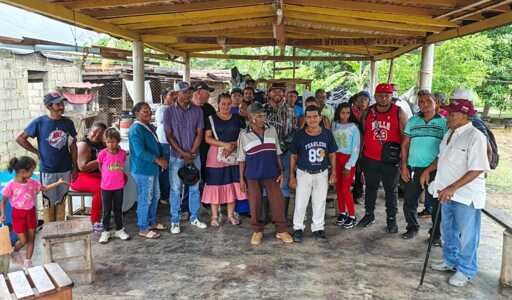
The José Leonardo Chirino campesino council, which organizes around 120 families in the Barimisagua estate, located in the Iturriza municipality, has accused landowner Jacobo Salas Romer of “intimidation” against campesinos.
Over the past two weeks, campesinos have denounced the use of heavy machinery to destroy their crops, while multiple families saw their houses set on fire.
“The Salas Romer family maintains a permanent harassment against more than 100 families in these lands,” campesino council spokesperson Gustavo Ladino told Venezuelanalysis. “They have bribed security forces, and some institutions have lent themselves to serve the interest of this fascist family.”
He added that the Barimisagua estate belongs to the Venezuelan state after it was abandoned by the former owners. Rural families began settling into the Barimisagua lands in 2000 and gradually expanded production in the estate. The campesinos have sown crops including corn, beans, and sweet potato, in addition to planting fruit trees and undertaking small-scale cattle rearing.
In a 2025 public statement, the rural collective criticized the National Land Institute (INTI) for not following the procedures established in the Venezuelan Land Law to assign idle estates to campesino organizations once they have developed productive activities for an extended period.
The campesino spokesman called on Acting President Delcy Rodríguez, Agriculture Minister Vladimir Padrino López, and Attorney General Larry Devoe to guarantee the rural families’ right to “contribute to the country’s food security.”
“We are calling for support from the Venezuelan authorities,” Ladino said. “We urge the government to conduct an inspection and deliver the necessary title deeds so that we can produce while being free from intimidation.”
The local activist additionally condemned efforts to criminalize land struggles by charging local leaders with crimes such as trespassing and tying them down in legal proceedings.
In an assembly on July 18, the rural families ratified the campesino council’s spokespeople and issued a press statement vowing to “consolidate social justice in the countryside.”
Salas Romer belongs to a powerful Venezuelan oligarchic family. His brother, Henrique, was governor of Carabobo state and lost to Hugo Chávez in the 1998 presidential election. The family business appeared in the Panama Papers investigation into offshore capital flight.
The 648-hectare Barimisagua estate has been at the center of a protracted legal struggle for many years, with Salas Romer attempting to secure protection orders from local agrarian courts on environmental grounds as a means to evict the rural families. The campesino council has rejected offers to relocate to a different plot in Falcón state, arguing that the land is insufficient for the number of people involved.
In recent years, rural grassroots organizations have raised the alarm regarding the resurgence of landowner violence in the countryside as well as an expanding influence of agribusiness oligopolies. Rice producers have staged multiple protests demanding that authorities regulate imports during harvest season and bind agroindustrial corporations to established crop prices.
With the economy heavily constrained by US sanctions, the Nicolás Maduro government moved to liberalize agricultural policies, transferring state competencies to the private sector, including provisioning of seed and fertilizer inputs and access to tractors. Fuel subsidies were likewise phased out, with small-scale producers highlighting it as a major factor driving up production costs.
Campesino organizations have warned against efforts led by agribusiness and cattle rancher associations to reform or sideline the 2001 Land Law, which heavily favored access to land for small-scale producers. In June, the Venezuelan National Assembly preliminarily approved a new Law to Protect Cattle Rearing.
Edited by Lucas Koerner in Cali, Colombia.
The post Venezuela: Campesinos Denounce Landowner Attacks, Demand State Support appeared first on Venezuelanalysis.
From Venezuelanalysis via This RSS Feed.