

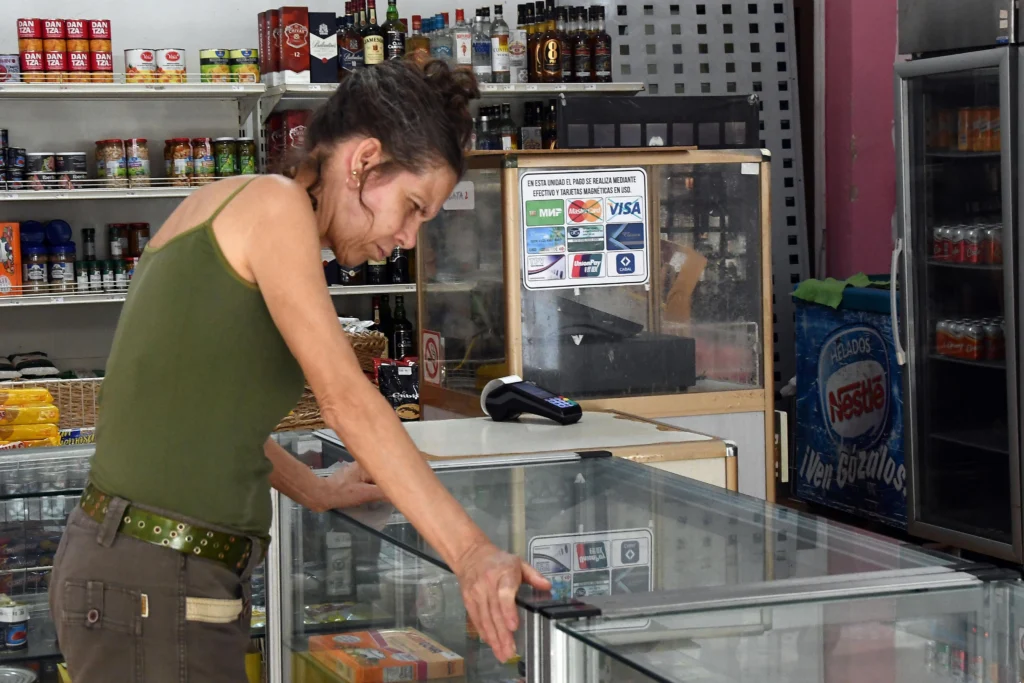
The aim is to reduce pressure on cash demand and facilitate access to goods and services for the population.
On July 17, the Central Bank of Cuba announced new measures to promote digital payments and regulate the use of cash, which remains the primary means of payment on the island.
RELATED:
U.S. Aid Shipment Arrives in Cuba Amid U.S. Fuel Blockade
The regulations amend Resolution 111/2023, eliminating the 5,000 CUP limit for cash payments between economic actors. Now, each actor can agree with their bank on the amount of cash they need, based on their registered income and the nature of their business.
The announced flexibility will not be arbitrary: it will be based on income in checking or tax accounts, the use of online payments and the Extra Cash service, as well as the characteristics of the region and the availability of cash at bank branches.
Among the complementary measures is the real-time crediting of digital transactions. Starting August 1, businesses that accept digital payments will receive funds immediately, eliminating the delay that was one of the main objections to the digital channel.
Before the Cuban revolution, US financial interests owned:
90% of Cuba’s mines
80% of public utilities
50% of railways
40% of sugar production
25% of bank deposits
The US
blockade on Cuba
has been a punishment for Cubans daring to claim back their economic sovereignty https://t.co/pbW1GAqfzd pic.twitter.com/r8TlcVIaLf
— Afshin Rattansi (@afshinrattansi) October 29, 2025
Fees are also being adjusted: the online payment fee is reduced from 1.5% to 0.8%. Meanwhile, the fee for cash deposits is eliminated, and a 0.2% fee is established for cash withdrawals.
Regarding bonuses, consumers will receive 4% for digital transactions, capped at 210 CUP, while businesses will receive 2% for incoming transactions, capped at 105 CUP. These incentives aim to balance the payment chain.
The thresholds for transfers between individuals are also changing: the limit per transaction is eliminated, and a monthly threshold of 2.5 million CUP is established. Exceeding this threshold will require physical presence to declare the destination of the funds, although a digital notification system is being developed.
The Central Bank also announced the gradual creation of branches and specialized areas to serve economic actors, offering services such as cash management, tax accounts, reconciliations, financing, and access to the foreign exchange market.
#Cuba | Deputy Health Minister Julio Guerra denounced the repercussions of the U.S. oil blockade on his country’s health system during a thank-you ceremony for the donation of solar panels and medical supplies at the Juan Manuel Marquez University Pediatric Hospital in Havana.… pic.twitter.com/6kA4PifsqY
— teleSUR English (@telesurenglish) July 21, 2026
teleSUR: JP
Source: teleSUR
From teleSUR English via This RSS Feed.