

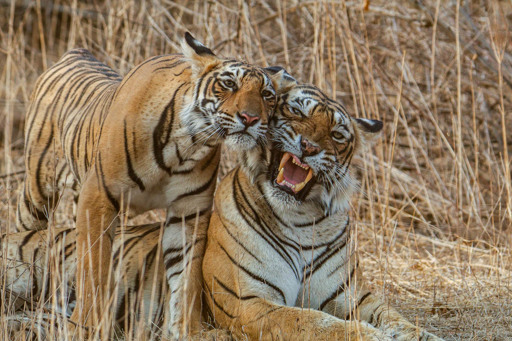
Tiger bone wines in exquisite bottles. Tiger cubs sold alive as pets or served as a culinary delicacy alongside pangolin and cobra meat at exclusive restaurants. Rooms filled with rhino horns and elephant ivory, stacks of freshly skinned tiger pelts and bags of pangolin scales. Jewelry made from protected corals and ivory. This is just a glimpse of the thriving illegal wildlife trade in Cambodia discovered by undercover investigators from Earth League International (ELI), a U.S.-based NGO that probes environmental crime. From 2025-26, ELI investigators mapped out the people involved in this illicit enterprise and identified five main kingpins allegedly running it. They gathered details on how cartels smuggle wildlife and their parts, what they sell and who their main customers are. They also linked this black-market trade with human and drug trafficking networks and scam centers operating out of Cambodia that defraud their targets. The investigators’ findings of this operation — named Sandokan after a fictional 19th-century pirate from Southeast Asia — are published in a new report. The yearlong investigation revealed a huge demand for wildlife products within Cambodia, fueled by wealthy Chinese and Cambodian buyers. An elephant tusk offered for sale to undercover investigators. Image courtesy of Earth League International. “It’s a trafficking enterprise, and a good example of what happens when you don’t do anything … they grow and grow and grow, and at the end, the damage is substantial,” said Andrea Crosta, executive director of ELI. “The big surprise was the incredible quantity of wildlife…This article was originally published on Mongabay
From Conservation news via This RSS Feed.