

Iran confirmed that it received fresh offers for talks amidst ongoing attacks by the United States and its own counter attacks and increased threats of escalation over the Strait of Hormuz.
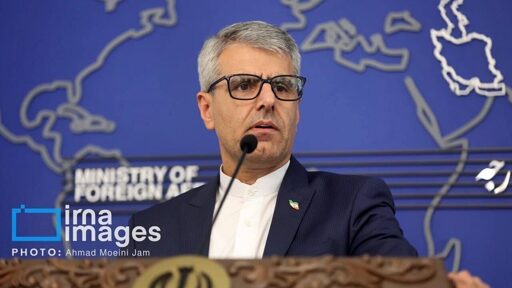
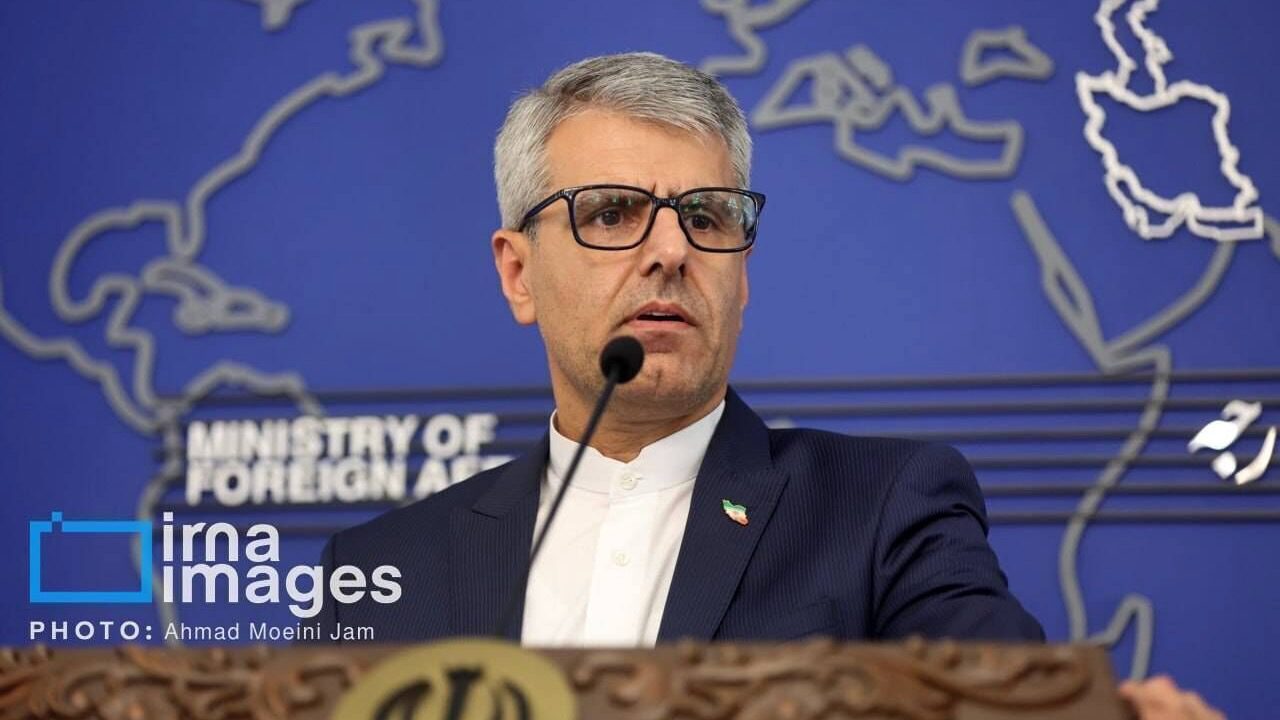
During his weekly press conference on Monday, July 20, Esmail Baghaei, official spokesperson of Iran’s Ministry of Foreign Affairs confirmed that his country has received offers of fresh talks with the US by mediators.
Baghaei’s statement came amidst the rising hostilities and fresh US strikes in the early morning on Monday, with US Central Command declaring the conclusion of the ninth consecutive evening of strikes, indicating a collapse of the interim peace deal signed last month.
The US Central Command claimed it targeted “Iranian military command centers, air defense and coastal surveillance sites, and communication networks” with the objective of diminishing “Iran’s ability to attack commercial vehicles and civilian mariners transiting the Strait of Hormuz.”
Meanwhile, US President Donald Trump claimed that the latest round of attacks on Iran were carried out “in honor of the troops killed in Jordan and Iraq.” He warned the attacks will continue till Iranians agree to a deal.
On Monday, US Central Command confirmed the identity of the soldiers killed in Jordan in an Iranian missile attack on one of its bases there while also indicating that the actual number of those killed could increase to three.
It claimed the remains of the third soldier, who was earlier reported missing during the attack, was found on Sunday.
One US soldier was killed and another was injured in northern Iraq on Saturday during a “controlled detonation” of an unexploded Iranian drone, the Central Command confirmed, taking the total number of US service personnel killed in the war with Iran since February 28 to 17.
Iranian retaliation
Iranian media reported US strikes targeted ports in the Khuzestan Province, Chabahar, and Konarak, among other places. They also reported killing a number of civilians in the US strikes including one in the northern city of Tabriz.
Iran also alleged that the US attacked its under-construction Darkhovin nuclear power plant in the Khuzestan Province, calling it a “dangerous attack on its peaceful infrastructure.” It demanded the International Atomic Energy Agency (IAEA) and other international agencies condemn the attacks.
According to international law and the regulations devised by the IAEA, any attack on nuclear facilities is a war crime.
In response, the Islamic Revolutionary Guard Corps (IRGC) said it attacked US bases in Iraq, Bahrain, Kuwait, Qatar, and Jordan, claiming to have also destroyed the early-warning radar system and other military facilities at the Ali Al Salem air base in Kuwait.
The IRGC also issued an appeal to the Kuwaiti people asking them to rise up and demand the removal of the US military base from the country, claiming it has been the source of attacks on scores of countries in the region.
Iran responded to US violations of interim deal
While addressing a question about the possible misunderstanding over the clauses of the Islamabad Memorandum of Understanding (MoU) Baghaei dismissed the claims of ambiguity, holding the US responsible for the fresh round of hostilities after it deliberately violated the deal provisions.
“The text [of the MoU] is entirely clear, and the US has no excuse for violating the agreement,” Baghaei claimed, reiterating that “Iran has never been the first to violate an agreement.”
Iran’s Supreme Leader Ayatollah Mojtaba Khamenei, in a statement issued on Saturday had blamed the US for the latest round of hostilities, calling it a “dark experience of crime and broken promises.”
Khamenei called the US “dishonest, irrational, untrustworthy and vile” and reiterated his country’s resolve to seek accountability for Washington’s “crimes.”
Iran has accused the US of violating article 5 of the MoU by trying to interfere with navigation through the Strait of Hormuz when it clearly designated Iran as the sole player responsible for devising a plan to manage its future, in consultation with the countries in the region.
Despite signing the MoU with the clause, the US attempted to push ships in the region to use an alternative route in the strait that passes through Omani waters. Iran objected to it and launched alleged attacks on some of those ships, using what it defined as the “illegal” route.
The alleged Iranian attacks on those ships were cited as the reason for fresh US strikes in Iran, ultimately leading to the breakdown of the deal.
On Sunday, the Iranian navy claimed to have targeted two more ships trying to use the US-sponsored route in the Strait of Hormuz.
Baghaei underlined that Iran will “not allow the strategic waterways to be used again in a manner that threatens its national security and interests,” IRNA reported.
Zoe. , July 20, 2026
From BT News via This RSS Feed.