

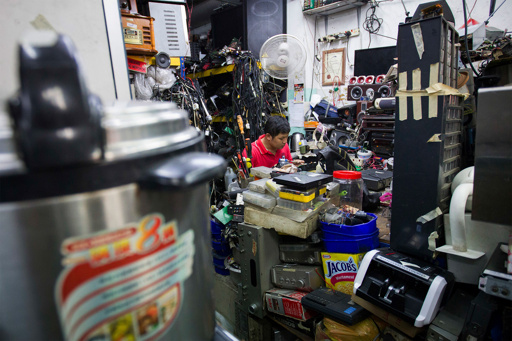
KLANG, Malaysia — On the morning of July 7, 2026, a shipping container declared to contain tin ore caught fire shortly after offloading at Port Klang, Malaysia. After firefighters doused the flames, they pried open the steel doors and found no industrial metals — only a cargo packed full of scorched electrical and electronic waste, or e-waste. Investigators and NGOs have long raised concerns about containers with falsely declared documents regularly slipping into Malaysia’s illegal recycling yards. To slip past customs, smugglers often falsify paperwork, declaring hazardous waste as legitimate raw materials. However, this particular shipment met with a strict new rule: an absolute ban on e-waste imports that took full effect on April 1, 2026, under Malaysia’s new Customs Order. But enforcing this rule means combing through millions of containers a year, playing a game of whack-a-mole against a black market that disguises itself as honest green businesses. Nik Ezanee Mohd Faisal, the chief of the Malaysian Border Control and Protection Agency (AKPS), has told reporters that the sheer volume of containers passing through national ports daily makes manual detection challenging. Between Jan. 26 and July 7, a specialized e-waste joint task force called Op Green Shield has inspected 685 containers, an AKPS spokesperson told Mongabay. Among these containers, 143 containers packed with 3,370 short tons (3,057 metric tons) of e-waste have already been sent back to their countries of origin since operations began. Another 531 containers, including backlog from previous operations, are earmarked for the next phased repatriation…This article was originally published on Mongabay
From Conservation news via This RSS Feed.