

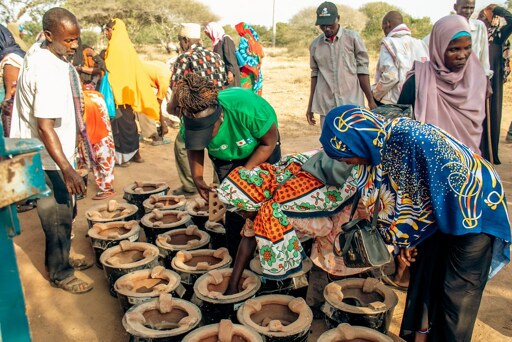
Sub-Saharan Africa is on track to record its fastest-ever annual expansion in access to clean cooking in 2026, according to a new report by the International Energy Agency. But population growth continues to outpace those gains, leaving more than 1 billion people without access to clean cooking. The region is home to the world’s largest population still reliant on firewood, charcoal and kerosene for everyday cooking, according to the IEA. The World Health Organization says household air pollution, much of which is generated by these polluting cooking fuels, is linked to around 2.9 million premature deaths annually, with women and children bearing the greatest burden. The “Clean Cooking in Africa 2026: Progress Report” estimates that around 15 million people gained access to clean cooking in sub-Saharan Africa in 2025, about 35% above the average annual gains recorded for the previous five years. If confirmed, this would be the highest annual increase on record. Côte d’Ivoire, Kenya and Nigeria made the most notable gains. The estimate is based on a mathematical model that combines data on imports of cookstoves (cooking appliances combining a stove and an oven) and liquefied petroleum gas (LPG), investments in the infrastructure, fuels and technology needed for clean cooking, and policy tracking, rather than household surveys, which remain the most reliable measure of clean cooking access but take years to compile. The IEA said the 2025 figures should, therefore, be treated as preliminary until confirmed by future household surveys. Even so, Fatih Birol, the IEA’s executive director,…This article was originally published on Mongabay
From Conservation news via This RSS Feed.