

Bullets:
Engineers in China’s West have built a new solar plant that generates electricity after sundown.
The facility uses liquid salt to store excess energy captured during the day, which is later released as steam, which turns turbines to generate electricity.
In this way, grid managers in Xinjiang “flatten the duck”: the mismatch between solar power production and electricity demand, which occurs at different times of the day.
China’s vast network of high-voltage transmission lines are crucial, by delivering power generated in far-flung areas to population centers in China’s East.
Inside China / Business is a reader-supported publication. To receive new posts and support my work, consider becoming a free or paid subscriber.
Report:
Good morning.
Engineers in Xinjiang are deploying solar plants that produce power at nighttime. This new plant in the Gobi Desert uses molten salt to generate steam, which turns turbines which in turn produce electricity for eight hours after the sun goes down.
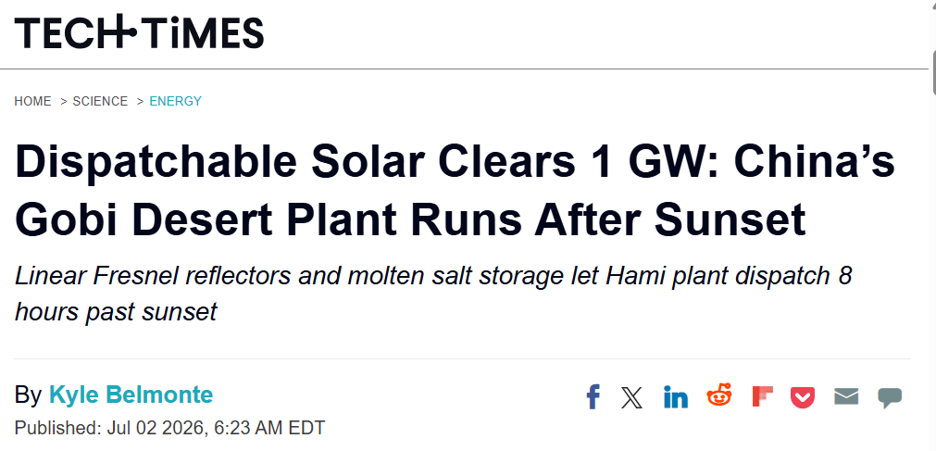
It’s one gigawatt, which is equal to the power demands from about 800,000 households, and this plant is novel, in that it does not use batteries to store the excess power that is generated during the day.
The problem with solar power is obvious—we use electricity all the time, but the sun is only shining half the time, at the most. On cloudy days, direct sunlight is hitting the panels at lower intensity. Putting these power plants in the desert goes a long way to solving that problem, but creates another: people don’t live there.
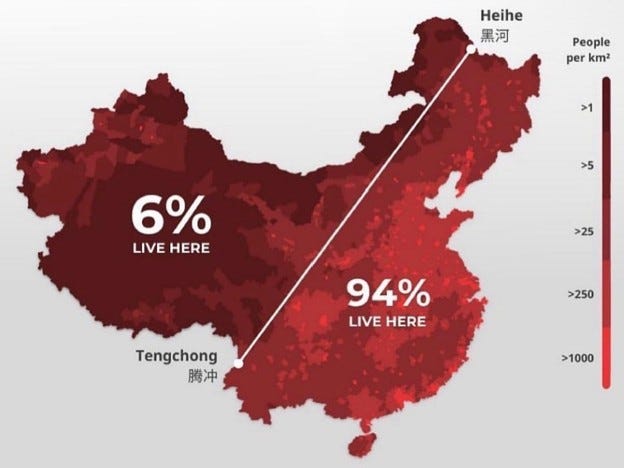
The giant population centers of China are mostly along the coast, so whatever power is generated there in Xinjiang needs to be sent across China to where people need it, and where it’s needed 24 hours a day, not just when the sun is up in West China.
This new plant is the biggest in the world that doesn’t use batteries to store excess power; it uses molten salt, instead of batteries, as a storage medium. Batteries cannot yet do what Chinese power engineers need them to, which is to store enough power, affordably, and then to discharge them at night, affordably.
Those are the realities that present a major problem for electricity grids, across the world. The intensity of sunlight dictates how much energy is produced, directly, by the solar element of the plant. And as a power grid builds out more and more solar capacity, that imbalance widens, between power produced during the day, compared to at night.
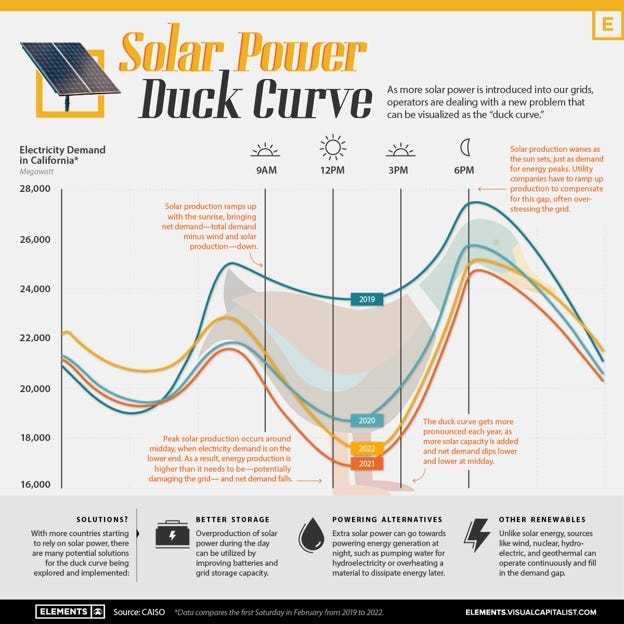
The result is called the “Duck curve”. It’s the “sharp mismatch between peak solar generation and peak energy demand”. When we put the data on a graph, the curve looks like a duck. The more solar-intensive the energy source mix, the steeper the curves. In the morning, energy demand spikes, as the human population wakes up.
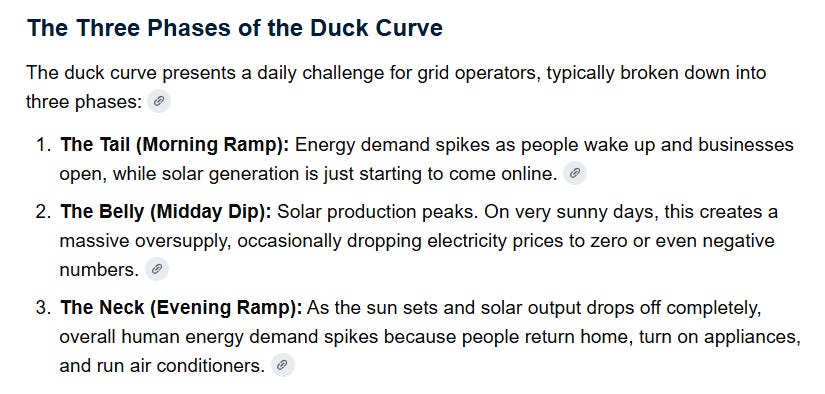
The intensity of the sunlight builds slowly, and doesn’t peak until a few hours later, resulting usually in huge oversupply: the energy produced by solar around mid-day equals electricity demand, and excess storage is possible, theoretically. Then the sun goes down, at the same time billions of people leave work and go shopping or home.
That’s the time of day, when the stress on a power grid is the most acute. From about 5PM through 8PM, when power demand is far greater than what is coming off the solar panels, which by then is zero.
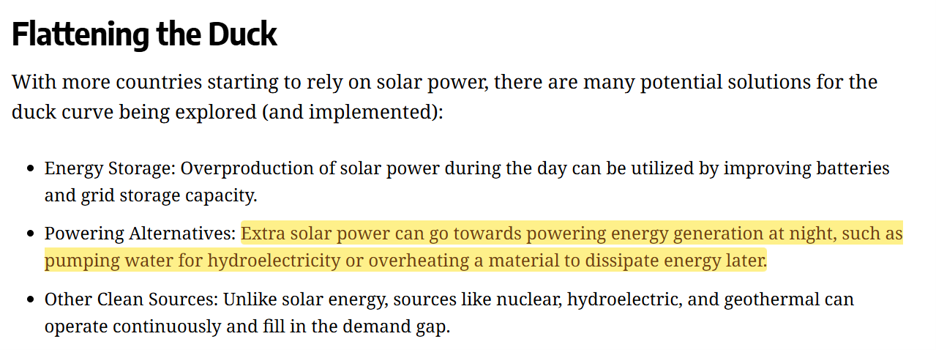
There are several factors, though, that this Xinjiang plant has working strongly in its favor, and also a couple of things that might challenge the economics of the project, in the future. There are 260,000 tracking mirrors, that cover 800,000 square meters. They follow the sun and reflect the sun’s rays, which are concentrated to heat salt to 550 degrees.
Then the molten salt goes on to create the steam which turns the turbines to produce electricity. Liquid salt is already a medium for that power generation system; it’s used in fossil fuel plants already, even nuclear plants, where molten salt is pumped through the reactors to absorb heat, which is then used, again, to turn turbines.
The reflectors at the Hami plant are flat. That makes them less efficient than curved mirrors. But flat mirrors are less expensive to build and maintain. Efficiency drops by more than half, but the plant managers believe that the far lower upfront and ongoing maintenance costs justify the lower solar efficiencies. The data on for the levelized cost of electricity figures will come in over time. But plant developers estimate that the power will produce at the same cost as Chinese coal.
Advantage number two is geography. China is one single time zone, but could just as easily be four. China is enormous, and the sun is shining brightly in Xinjiang province long after the sun has gone down in East China. That is power that can still be fed directly into the grid, and that’s because the infrastructure is already in place, to transport that electricity produced in Xinjiang to where it’s needed.
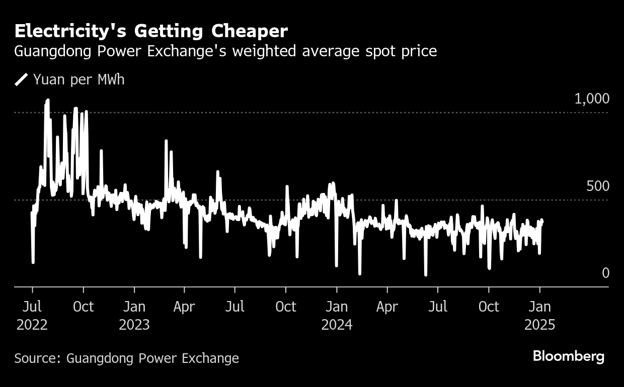
China’s ultra-high voltage direct-current network is the largest in the world, and it’s what makes the whole system possible, and also helps explain how China’s electricity mix is more diverse than almost anyone else’s, and how electricity prices here are falling, year over year over year, despite booming demand for the power:
The new plant is on just one of those lines in that HV-DC network, and displaces 38 million tons of coal demand elsewhere on the grid. And there is another plant coming, which is 50% larger, and will be located nearby the plant that just opened.
The economics of these plants are very favorable, today. But there are some unknowns that may change the math. Flat mirrors do cost less to build and maintain than curved mirrors, but here are a quarter of a million tracking mirrors, with lots of moving parts, and we don’t have a lot of historical data yet to know the long-term maintenance and repair costs for those at commercial scale.
We should figure those costs will be a lot lower in China than anywhere else. But the second challenge may come from further improvements in battery storage, and falling costs there. Battery efficiency is rising, fast, while their costs are falling, fast. It took decades for that to play out, but over time we see the results: fifteen years ago battery pack prices were 12 times higher, compared to today. That “has in turn enabled the batteryification of everything.”
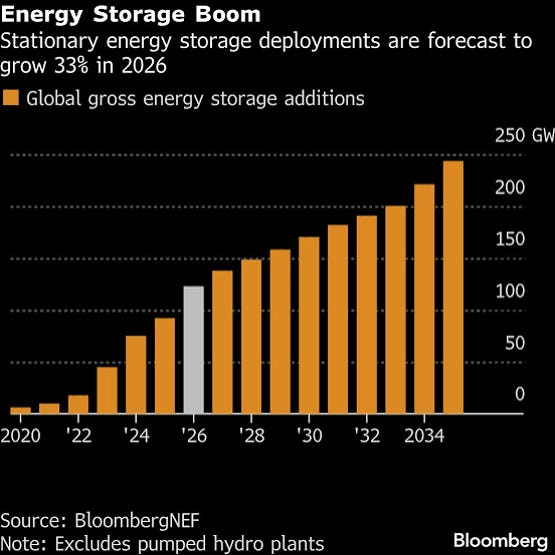
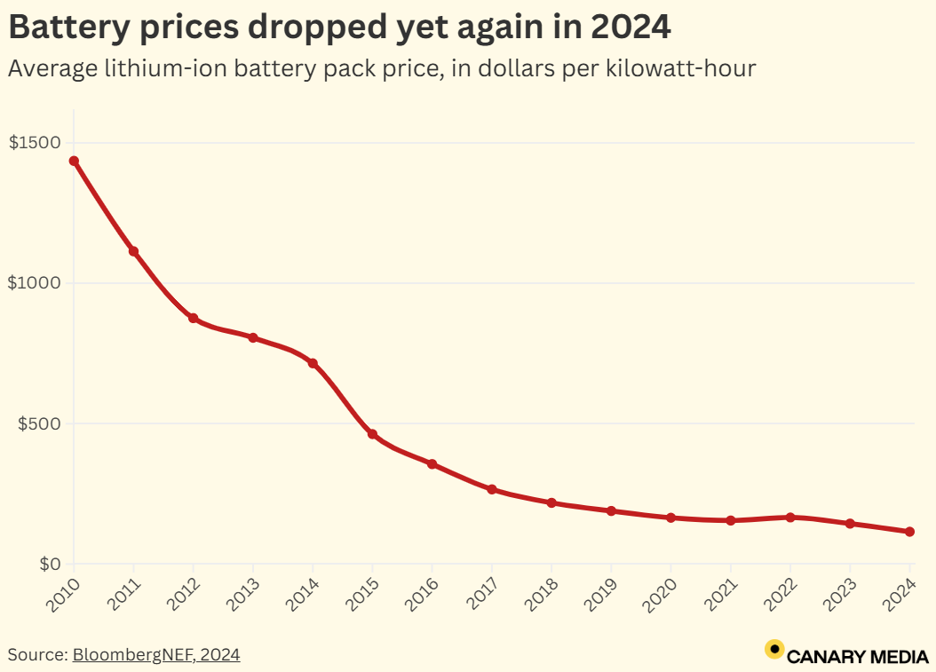
For now, it is more cost-effective for new, large solar farms in West China to use molten salt to store the excess energy that they collect at those low points in the duck curve. But as battery prices continue to fall, the economics of that might change. So the overall costs of operating those systems are likely to decline, over time, and whether the excess power will heat up salt to later drive big turbines, or stored in big batteries, it will be Chinese companies that build them.
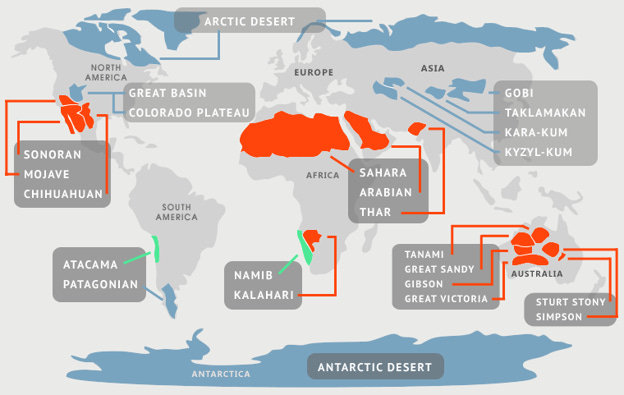
Any country with lots of empty space and lots of sunlight can transform those areas into power plants, and they will turn to Chinese engineers and companies to build them. The solar panels, the turbines, all that hardware for building out the long-distance power transmission networks—all that business will go through here.
Be Good.
Resources and links:
World’s largest hybrid solar plant stores energy in molten salt to supply power at night
https://interestingengineering.com/energy/worlds-largest-hybrid-solar-plant
China’s 1-gigawatt Gobi solar plant runs 8 hours after sunset — with no batteries
https://www.thecooldown.com/green-tech/gobi-solar-plant-china-sunset-power/
Dispatchable Solar Clears 1 GW: China’s Gobi Desert Plant Runs After Sunset
https://www.techtimes.com/articles/319512/20260702/dispatchable-solar-clears-1-gw-chinas-gobi-desert-plant-runs-after-sunset.htm
China’s largest PV-CSP hybrid project enters commercial operation
https://www.pv-tech.org/chinas-largest-pv-csp-hybrid-project-enters-commercial-operation/
California Duck Curve Getting Deeper With Solar Growth
https://cleantechnica.com/2023/07/07/california-duck-curve-getting-deeper-with-solar-growth/
The Solar Power Duck Curve Explained
https://elements.visualcapitalist.com/the-solar-power-duck-curve-explained/
Chart: Lithium-ion battery prices fall yet again
https://www.canarymedia.com/articles/batteries/chart-lithium-ion-battery-prices-fall-yet-again
China Generated More Electricity in 2024 Than the U.S., EU, & India Combined
https://www.voronoiapp.com/energy/-China-Generated-More-Electricity-in-2024-Than-the-US-EU--India-Combined-5260
China’s Richest Regions Cut Electricity Prices to Protect Industries
https://www.energyconnects.com/news/gas-lng/2025/january/china-s-richest-regions-cut-electricity-prices-to-protect-industries/
Energy policy of China
https://en.wikipedia.org/wiki/Energy/_policy/_of/_China
China has built 46 Ultra-High Voltage lines
https://www.reddit.com/r/MapPorn/comments/1t7s58k/china/_has/_built/_46/_ultrahigh/_voltage/_lines/
Inside China / Business is a reader-supported publication. To receive new posts and support my work, consider becoming a free or paid subscriber.
From Inside China / Business via This RSS Feed.
Super smart system using proven technology.
