

With the football done and dusted at least until the domestic season starts in about five minutes time, we have the small matter of the sixth new prime minister in a decade starting his new role in earnest today.
Spain emerged deserving winners after a tense game went to extra time, finally unlocking the Argentinian defence in the 106th minute when substitute Ferran Torres seized on a header back into the box and thumped the ball past Emi Martínez.
Football may not have been the winner after a forgettable match, but Argentina were certainly the losers, underscored by Leandro Paredes who appeared to start a fight with a Spain player after the final whistle.
The event was a victory for the creeping American-style injection of advertising opportunities and candy floss into every spare moment and orifice – and also into some moments that were never spare – at the expense of whatever sporting integrity remains.
Take half-time, which was lengthened especially to include a show which involved a smirking Ronaldo and Ronaldinho driving Madonna around in a Mad Max-style buggy and the Muppets and Coldplay covering The White Stripes’ Seven Nation Army. It’s not exactly that it wasn’t entertaining, but by the time Ted Lasso was introducing Justin Bieber I had slightly forgotten about the quite important sport thingy I had tuned in for.
Perhaps even more bizarre was the pre-match ceremony, in which the World Cup trophy was presented in a special Louis Vuitton case before Tom Cruise gave a speech about how football unites nations as the Argentina players wondered when they could get their Malvinas banner out again and Donald Trump glowered on like Mr Burns.
After watching Fifa president Gianni Infantino palling around with Trump on the winners’ podium, it will be nice to return to the calm and incorruptible world of UK politics and the cosy familiarity of a new prime minister.
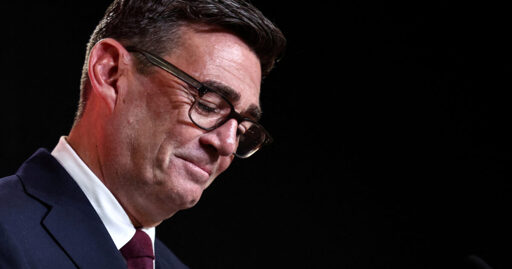
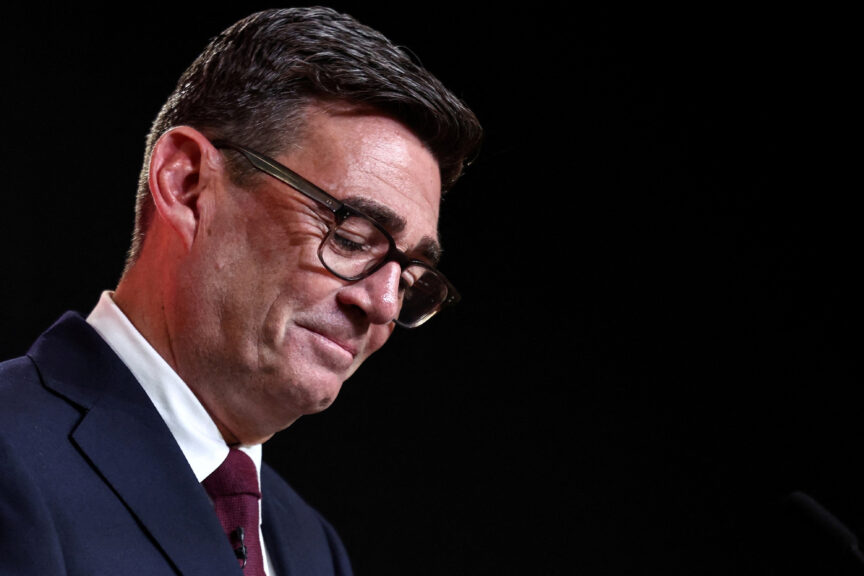
Today, Andy Burnham will give his first speech as PM, completing his bloodless coup. He’s expected to say that he must deliver “tangible” improvements and give people “more breathing room” on the cost of living. He’ll also be hoping for some breathing room of his own. Making a real impact before the next election will be a tough ask, leading some commentators to observe that his success may depend on vibes more than results.
So far the vibes are mixed. On the one hand, he’s scrapping plans for mandatory digital ID cards – perhaps the most out-of-touch of Starmer’s policies – and the money will go towards helping with the cost of living. On the other hand, Shabana Mahmood looks likely to become chancellor ahead of Ed Miliband.
While Miliband is the soft-left choice, believed to have the vision to drive change, Mahmood “is very much on the right of the party. She was one of the biggest supporters of cutting welfare”, according to one MP quoted in the Independent, which also reports she was a major internal critic of Rachel Reeves for policies such as putting VAT on private schools.
Thames Water is set to be put into “special administration” in a signal that privatisers’ days of piss-taking might be drawing to a close. But before you allow yourself too much hope, Burnham is also expected to announce new oil and gas drilling licences in the North Sea, drawing praise from Trump.
What are we to make of this mixed picture? Perhaps there’s an analogy to be drawn with the football. After England had an epic choking fit against Argentina, a debate broke out: initially manager Thomas Tuchel copped all of the criticism for his substitutions. Then, the football punditry take-machine spat out a second line of argument, which was that Tuchel’s decisions handing Argentina the initiative were merely a symptom of a deeper malaise in the English game.
Is Burnham the master operator who will turn things around? Is it possible, as Times political commentator Patrick Maguire has argued, that the missing ingredient for the UK’s last few PMs has been leadership? And does it follow therefore that Burnham could do some good were he to actually lead? Or was the ideological void that was the Starmer project a mere symptom of a political party and system of which Burnham is surely a part – one that is denuded of ideas and the will to make change at a systemic level?
Today Burnham will try to articulate a coherent vision to the country. Is this a new dawn, or Starmerism 2.0? We’re about to find out.
From Novara Media via This RSS Feed.