

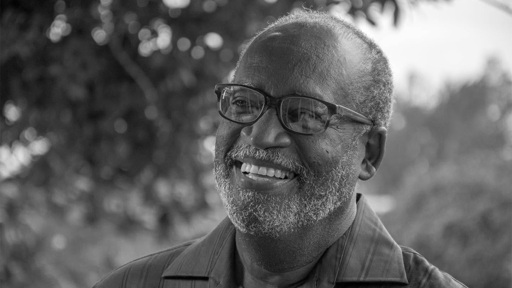
For much of the 20th century, Cuba’s sea turtles were treated as a fishery. Green turtles were taken for meat, and hawksbills for the patterned shell used in jewelry and ornaments. In the 1980s, legal fisheries landed an average of 836 metric tons a year. Research focused in part on how the catch might be sustained. The catch was later reduced. From 1994, legal capture was confined to two traditional fishing communities, Nuevitas and Cocodrilo. Minimum sizes and quotas followed. By the time Cuba closed the fishery in 2008, the annual legal catch had fallen below 15 metric tons. A further regulation in 2011 prohibited the capture, use, or trade of sea turtles except for research and conservation. Félix Guillermo Moncada Gavilán spent his career through much of this shift. The Cuban marine biologist, who died in Havana on June 28th, had worked for more than 40 years at the country’s Fisheries Research Center (Centro de Investigaciones Pesqueras). He led its sea turtle program and served as Cuba’s coordinator for WIDECAST, the regional conservation network. He had entered turtle research, he once said, with more enthusiasm than certainty. He had little time to prepare and many demands to meet. None of that discouraged him. Colleagues recalled that any mention of marine turtles made him smile and begin explaining them. His early work was closely tied to fisheries. As Cuba moved towards protection, he studied nesting grounds, migrations, population trends, illegal hunting, and accidental capture. He helped recommend the successive restrictions…This article was originally published on Mongabay
From Conservation news via This RSS Feed.