

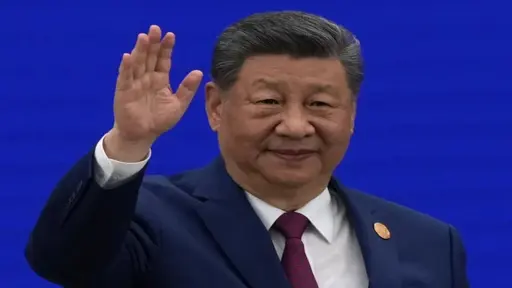
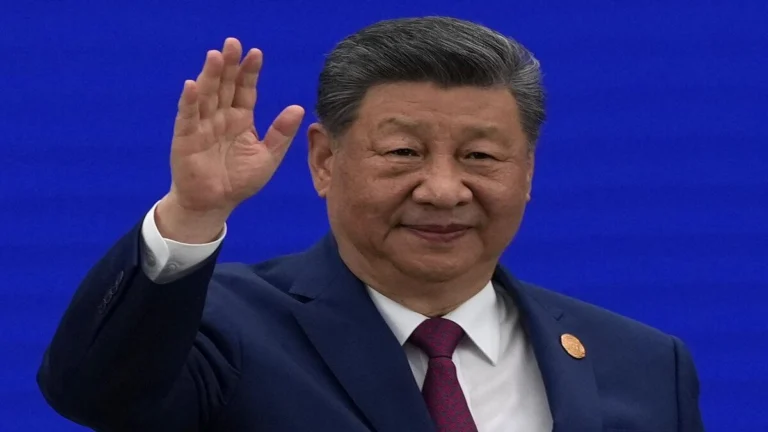
China UN commitment reaffirmed as Xi meets Guterres, stressing multilateralism, sovereignty, and global cooperation amid rising tensions.
Related: China Launches WAIC to Lead Global South AI Cooperation
China UN commitment reaffirmed as Xi meets Guterres in Shanghai
The China UN commitment was placed at the center of global attention after President Xi Jinping met with United Nations Secretary-General António Guterres in Shanghai, reaffirming Beijing’s long-standing support for multilateralism and international cooperation. The meeting comes at a time of heightened geopolitical uncertainty, with increasing calls to strengthen global governance structures.
During the talks, Xi emphasized the need to revitalize the United Nations and defend what he described as “true multilateralism” in the face of complex global challenges. The Chinese leader warned against rising instability and underscored that international relations must not regress into unilateralism or power politics.
According to an official statement from China’s Ministry of Foreign Affairs, Xi praised Guterres for his leadership over the past decade, highlighting his firm defense of multilateral principles and proactive response to global crises. The remarks reflect Beijing’s alignment with the UN’s core mission, while also signaling its intent to play a more active leadership role within the organization.
China UN commitment and multilateral reform agenda
Xi reiterated that the China UN commitment includes safeguarding sovereignty, territorial integrity, and the legitimate rights of all nations, principles he described as essential to maintaining international order. He stressed that no country should impose its will on others, reinforcing China’s longstanding position on non-interference.
The Chinese president also warned that the world “must never return to the law of the jungle,” a phrase often used in diplomatic discourse to criticize hegemonic or coercive international behavior. This statement underscores China’s argument for a rules-based international system grounded in equality among states.
In addition, Xi called on major global powers to assume greater responsibility in addressing global challenges, including climate change, economic instability, and security threats. He advocated for preserving the principles of the UN Charter while also introducing reforms and innovations to improve the organization’s efficiency and responsiveness.
China, he noted, has already contributed to global stability through “concrete actions” that promote cooperation and predictability. These include participation in peacekeeping missions, development initiatives, and international economic frameworks that align with UN objectives.
UN leadership and China’s role in global governance
UN Secretary-General António Guterres acknowledged China’s consistent role in supporting international cooperation and multilateral institutions, according to the same official statement. He highlighted Beijing’s contributions to global development and its engagement in addressing transnational challenges.
Guterres’ remarks reflect a broader recognition within the UN system of China’s growing influence in shaping global governance. As one of the five permanent members of the UN Security Council, China plays a critical role in decision-making processes related to peace, security, and development.
The meeting also reinforced the importance of maintaining open dialogue between major powers and international institutions, particularly at a time when geopolitical rivalries risk undermining collective action.
Global implications of China UN commitment in a shifting world order
The reaffirmation of the China UN commitment carries significant geopolitical implications, especially as the international system undergoes profound transformation. With rising tensions between major powers and increasing fragmentation in global governance, China’s emphasis on multilateralism positions it as a key advocate for a more balanced and inclusive international order.
This stance is particularly relevant for countries in the Global South, many of which view multilateral institutions as essential platforms for protecting their interests and amplifying their voices. China’s support for these frameworks may strengthen its ties with developing nations and expand its diplomatic influence.
At the same time, critics argue that calls for reform within the UN system may reflect broader efforts to reshape global governance structures in ways that align with emerging power dynamics. This ongoing debate highlights the tension between preserving existing institutions and adapting them to new realities.
The China UN commitment also intersects with broader strategic initiatives, including Beijing’s economic and technological outreach. These efforts contribute to shaping a multipolar world where influence is distributed across multiple centers of power rather than concentrated in a single bloc.
Inicia en Shanghái la Conferencia Mundial de Inteligencia Artificial. Xi Jinping llamó a garantizar la seguridad de la IA: “Debe ser una herramienta confiable para la humanidad”. Rusia y China anunciaron nueva organización mundial para el desarrollo de la IA. #China… pic.twitter.com/9bIdMhh9Mu
— teleSUR TV (@teleSURtv) July 17, 2026
From teleSUR English via This RSS Feed.