

J. Z. Ness | Red Phoenix correspondent | Colorado**–**
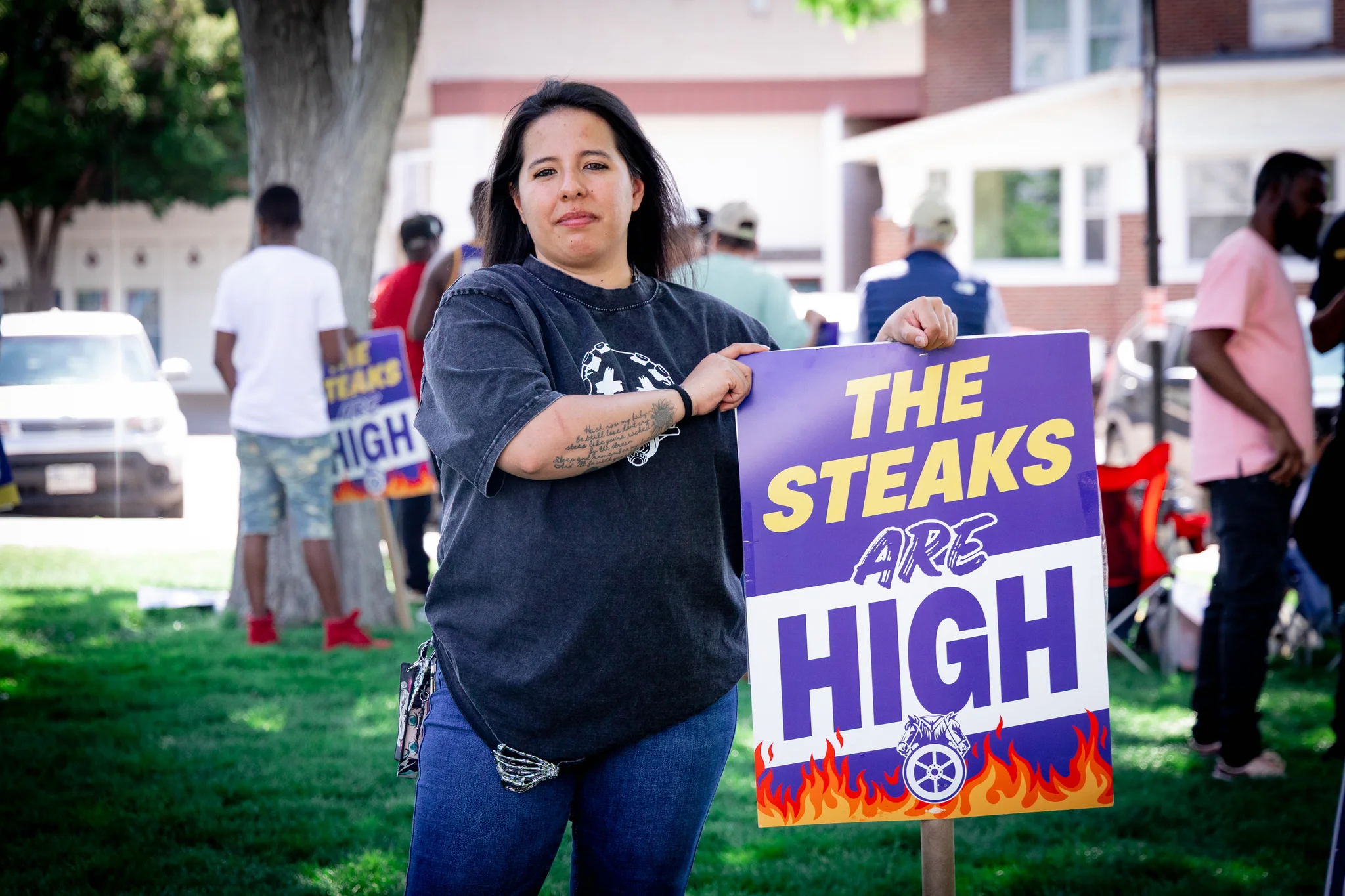
Jessie Guerrero, a single mother of three, is worried about covering expenses for her children, car insurance, cell phone bills, and groceries as the Cargill lockout continues. (Priya Shahi/Rocky Mountain PBS)
In a move that lays bare the raw power imbalance between giant corporations and the working people who keep their operations running, Cargill has locked out more than 1,700 workers at its massive beef processing plant in Fort Morgan, CO. The action, which began on May 20, 2026, came after union members overwhelmingly rejected the company’s inadequate contract proposal.
These workers, represented by Teamsters Local 455, have been demanding fairer wages that actually keep pace with the rising cost of living, improved health care, and real commitments to safety in one of the most dangerous industries in America. Instead of bargaining in good faith, Cargill chose to shut the gates and cut off paychecks, betting that economic pressure would break the resolve of working families.
This is not an isolated dispute. It is part of a broader pattern where massive agribusiness conglomerates like Cargill—America’s largest privately-held company—prioritize profits and supply chain control over the lives of the people who slaughter, cut, and package the beef that fills grocery stores and restaurant tables across the country.
Workers at the Fort Morgan plant process thousands of cattle daily under grueling conditions. Many are immigrants and long-time residents of this rural community who have kept the operation running through tough times. Now, they stand on picket lines holding signs like “The Steaks Are High,” showing spirit even as the company’s lockout disrupts their livelihoods and ripples through the local economy.
Cargill claims the lockout was necessary for “safety” and to avoid uncertainty from potential job actions. But the timing is telling: it follows months of negotiations where the company’s offer, a 1.7% annual raise over five years, fell far short of what workers need after years of inflation and demanding labor. Union members rejected it by a staggering margin, with reports of around 85-90% voting no.
For families in Fort Morgan, this lockout means immediate hardship. Workers are receiving some strike pay from the union—around $1,250 per week for many—but that doesn’t cover everything when rent, groceries, and bills keep coming. The plant is a cornerstone employer in the area, and its shutdown hits not just households but the whole community.
This fight matters beyond Fort Morgan. Meatpacking workers across the country have faced brutal conditions for years, including speed-ups, injuries, and stagnant pay, while executives and shareholders reap enormous rewards. Cargill’s move is a warning shot: corporations will use their leverage to squeeze every last concession rather than share the wealth created by labor. Working people built the prosperity these companies enjoy. It is their sweat and risk on the killing floor that generates the profits. Yet when workers organize and push back for a decent share, the response is lockouts, threats, and attempts to pit communities against them.
Communities, consumers, and fellow workers should rally behind these families. Boycotts of Cargill products during the lockout, donations to strike funds, and political pressure on local and national leaders to side with labor over corporate giants can make a difference. Cargill and companies like it thrive because the system allows them to amass vast wealth while treating workers as disposable. The only real answer is organized, militant resistance by working people who refuse to accept crumbs when they produce the banquet. The picket lines in Fort Morgan are a frontline in the ongoing battle for dignity on the job. Every worker watching this unfold should take note: your fight is connected to theirs. Stand strong, Fort Morgan. The working class is stronger when we stand as one.
–
–
From The Red Phoenix via This RSS Feed.