

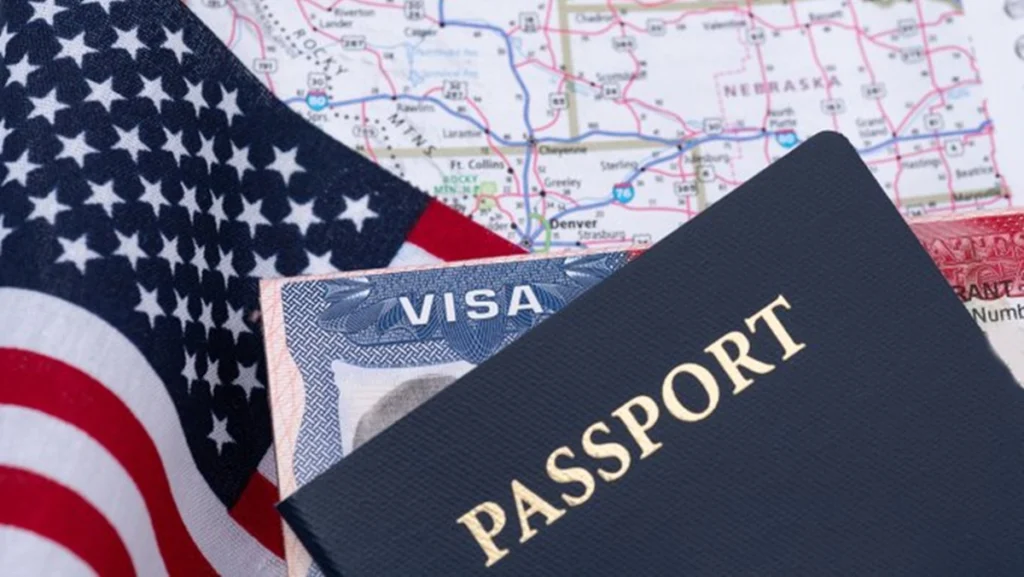
The Nonimmigrant students and exchange visitors will be admitted for the length of their specific program.
On Thursday, the U.S. Department of Homeland Security (DHS) announced that it will tighten stay limits for international students and exchange visitors, capping their legal stay at a maximum of four years unless granted a federal extension.
RELATED:
EU Approves Controversial Plan to Deport and Confine Migrants in Third Countries
“Nonimmigrant students (F visas) and exchange visitors (J visas) will be admitted for the length of their specific program, not to exceed a maximum period of four years,” the department said in a statement released on its website.
The final rule “officially eliminates the ‘duration of status’ loophole” that allowed foreign students, exchange visitors and others to remain in the United States indefinitely “without routine government oversight.”
Duration of Status allows foreign individuals to remain in the U.S. for as long as they are actively maintaining the purpose of their visa, instead of giving a fixed calendar date when they must leave the country.
Big changes might be on the horizon for #InternationalStudents!
DHS is mulling a shift from “duration of status” to fixed admission periods for F-1 & J-1 holders & foreign journalists.
Stay informed, as this could impact grace periods & require USCIS extensions. Got pic.twitter.com/SydTLfLs7G
— Law Offices of Spar & Bernstein (@bradbernstein27) July 16, 2026


“For nearly half a century, the outdated ‘duration of status’ system has compromised national security and created an environment ripe for immigration fraud,” said DHS Secretary Markwayne Mullin, accusing thousands of foreign students of abusing the U.S. immigration system.
Fanta Aw, CEO of NAFSA, a U.S.-based association of international educators, depicted the DHS decision as a “misguided and unnecessary policy shift that injects uncertainty, bureaucracy, and fear into a system that has long worked effectively.”
“It tells the world’s brightest students and scholars that the United States is becoming less welcoming, less predictable, and less committed,” Aw said.
teleSUR/ JF
Source: Xinhua
From teleSUR English via This RSS Feed.