

Over the last months, the economic contraction has worsened due to the U.S. oil blockade and sanctions.
On Wednesday, Cuba’s Council of State approved two new decree laws on the state business system and agricultural cooperatives as part of a package of 176 reforms aimed at liberalizing and decentralizing the island’s economy.
RELATED:
Brazilian Government Donates Powdered Milk to Cuban Children Through an Air Force Plane
The decree law “On the Cuban State Business System” seeks to regulate the principles governing the organization and operation of the state business system to support its transformation and development under the leadership of the National Institute of State Business Assets (INAEE).
Created in late June, the INAEE is tasked with advising, proposing, implementing and overseeing policies and regulations governing the state business system.
National Assembly President Esteban Lazo said the approval of the decree law “reaffirms the socialist state enterprise as the principal actor” in the Cuban economy.
US military planners examine potential Cuba invasion
——
With the US-Israeli war on Iran resuming after the collapse of a weeks-long ceasefire, senior Pentagon officials are also reportedly monitoring another potential hotspot closer to the US: Cuba.According to multiple US… pic.twitter.com/7rdeGXrH1j
— The Cradle (@TheCradleMedia) July 16, 2026
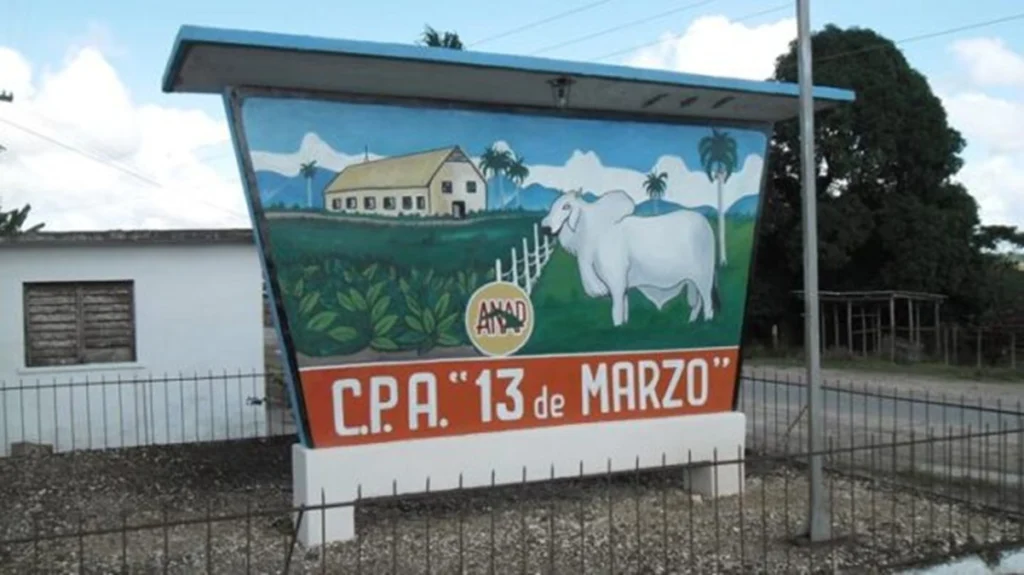
Meanwhile, the “Amendment to Decree Law No. 76 on Agricultural Cooperatives” will regulate the establishment, organization, integration and operation of agricultural cooperatives.
As part of the 176 economic reforms, Cuban authorities will allow cooperatives to import and market fuel as an input, conduct foreign trade, directly secure external financing, and open bank accounts abroad.
The agriculture-related reforms also include eliminating limits on the number of hectares that may be granted, removing restrictions on the duration of land use and facilitating applications for land by economic actors. Even individuals who emigrated from the country but retain their effective Cuban citizenship will be able to apply for land under usufruct on the island.
As a result of U.S. sanctions, Cuba has been mired in a crisis for more than six years that has shrunk its economy by more than 15% between 2020 and 2025. Over the last months, the economic contraction has worsened because of the oil blockade and a new wave of secondary sanctions.
In June, in response to the new challenges, the Communist Party, the National Assembly and the Council of Ministers approved economic reforms ranging from boosting foreign trade to granting state, private, mixed, and natural legal persons the real right of usufruct over land.
teleSUR/ JF
Source: Gramma – EFE
From teleSUR English via This RSS Feed.