

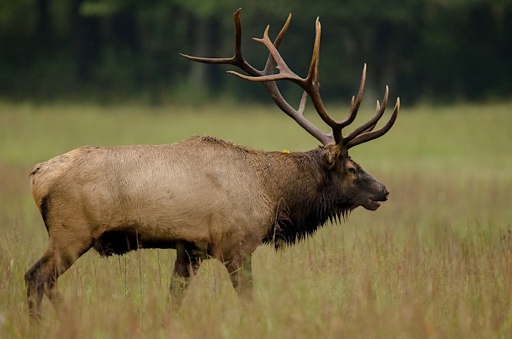
Thinking of America’s iconic wild creatures and places usually brings images of Yellowstone or Denali National Park to mind, or the many wilderness areas scattered across multiple states, but the collective imagination generally passes over the East Coast, with its long history of human settlement and large urban population centers. However, a new book by Andrew Moore, “Beasts of the East: The Fall and Rise of America’s Eastern Wilderness” contains a collection of inspiring narratives which argues that this is a mistake. Through a combination of science, effort, imagination and policy, the East has seen a great resurgence of wildlife and wildlands through reintroductions, ecological restoration, and rewilding that adds up to one of this year’s most eye-opening reads. In an interview with Mongabay, Moore discussed themes in his book chronicling this underreported story, and his responses have been edited lightly. Chris Lucas releases a red wolf in northeastern North Carolina in 2004. Image courtesy of U.S. Fish and Wildlife Service. Mongabay: What did wildlife populations in the U.S. East look like pre-European settlement, and afterward for a while before resource extraction and agriculture became rampant across the landscape, that might surprise readers to know? Andrew Moore: Picture first the landscape: bigger, wetter, wilder in all ways, and frequently on fire. And then fill this natural area with massive animals, including whooping cranes and sandhill cranes, black bears, deer, plus overwhelming flocks of Carolina parakeets and passenger pigeons. Imagine sprawling meadows and tallgrass prairies filled with bison and elk —…This article was originally published on Mongabay
From Conservation news via This RSS Feed.