

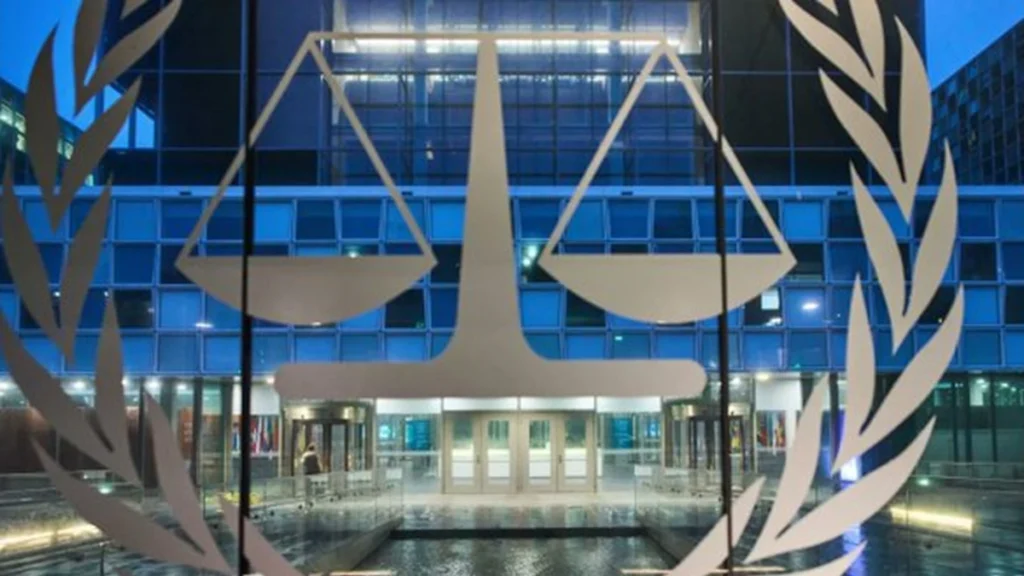
The ICC has opened investigations into atrocities in Africa, Europe, Asia and Latin America.
On Tuesday, Foreign Minister Tom Berendsen reaffirmed the Dutch government’s support for the International Criminal Court (ICC) after Washington announced a broad campaign to “dismantle the threat” posed by the Hague-based tribunal to U.S. sovereignty.
RELATED:
Hungary Withdrawals From International Criminal Court Over Netanyahu Arrest Warrant
“As host nation and State Party, the Netherlands stands behind the International Criminal Court and its staff,” he said, stressing that international courts must be able to carry out their mandates without interference.
“The United States does not want to be held accountable,” Alette Smeulers, professor specializing in international crimes at the University of Groningen, said.
It essentially wants “a license to violate international law” in countries that are parties to the Rome Statute, the founding treaty of the ICC, she added.
On Monday, the U.S. Department of State argued that the ICC poses “an intolerable threat” by claiming the authority to investigate, prosecute and even imprison American service members and government officials acting in the interests of the United States.
The move marks the latest escalation in tensions between Washington and the court. In December 2025, the U.S. State Department imposed sanctions on two ICC judges over what it described as their involvement in “politicized actions” against Israel.
WATCH | Karim Khan, British lawyer and ICC Prosecutor, reacts to Marco Rubio’s campaign to dismantle the ICC, saying “We are not going to be dissuaded by threats.”
“This court is the legacy of Nuremberg,” Khan said, adding that the protection of the individual is among the… pic.twitter.com/zPhFun884R
— The Cradle (@TheCradleMedia) July 15, 2026
The Hague Court Promotes Accountability for Grave Crimes
The International Criminal Court is a permanent international tribunal established to prosecute individuals accused of the world’s most serious crimes: genocide, crimes against humanity, war crimes and the crime of aggression.
The court was created by the Rome Statute, a treaty adopted in 1998 that entered into force on July 1, 2002. Headquartered in The Hague, Netherlands, the ICC operates independently and is intended to complement national judicial systems by intervening only when countries are unwilling or unable to genuinely investigate or prosecute such crimes.
The ICC has jurisdiction over crimes committed on the territory of a member state, by nationals of a member state, or in situations referred to the court by the United Nations Security Council (UNSC).
States that are not parties to the Rome Statute may also accept the court’s jurisdiction on an ad hoc basis. The court consists of several organs, including the Presidency, the judicial divisions, the Office of the Prosecutor, and the Registry. It investigates allegations, issues arrest warrants or summonses when appropriate, and conducts trials before panels of judges.
Since beginning operations, the ICC has opened investigations into conflicts and atrocities in multiple regions, including Africa, Europe, Asia and Latin America.
The court has issued arrest warrants for political leaders, military commanders and armed group members, although its ability to enforce those warrants depends on cooperation from states because it does not have its own police force.
teleSUR/ JF
Sources: Xinhua – EFE – ICC
From teleSUR English via This RSS Feed.