

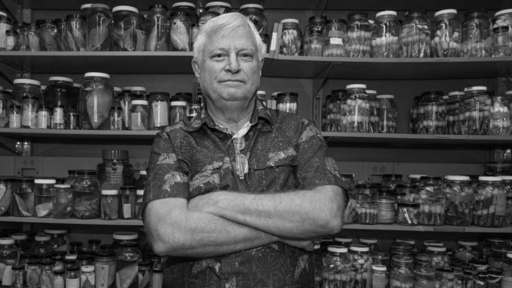
By some accounts, in the Philippine reefs of the 1970s, large groupers appeared every 50 feet or so. Some seemed as large as Volkswagen Beetles. Around them were snappers, fusiliers, wrasses, turtles, and corals, along with fish whose identities were still uncertain. A young biologist could spend his days diving and still feel he had only begun to understand what was there. Kent E. Carpenter arrived in the Philippines at 22, soon after graduating from the Florida Institute of Technology. The Peace Corps assigned him to the Philippine Bureau of Fisheries and Aquatic Resources and put him in charge of coral-reef research. He later called it “the best job there ever was or ever will be in the Peace Corps.” It gave him access to reefs across the archipelago and set the direction of his career. Carpenter was shot dead at his home in Sibulan, Negros Oriental, on July 12th. He was 73. According to police, three men entered the house late at night. A special task group was formed to investigate, and no motive had been established when his death was announced. Kent Carpenter. Image via Old Dominion University Pollution and destructive fishing were already damaging Philippine reefs during his early years there. The large predators he had seen so often became harder to find. He spent much of the next half-century recording marine life in increasing detail: which species lived where, how they were related, how populations changed, and what made them vulnerable. After completing a doctorate in…This article was originally published on Mongabay
From Conservation news via This RSS Feed.