

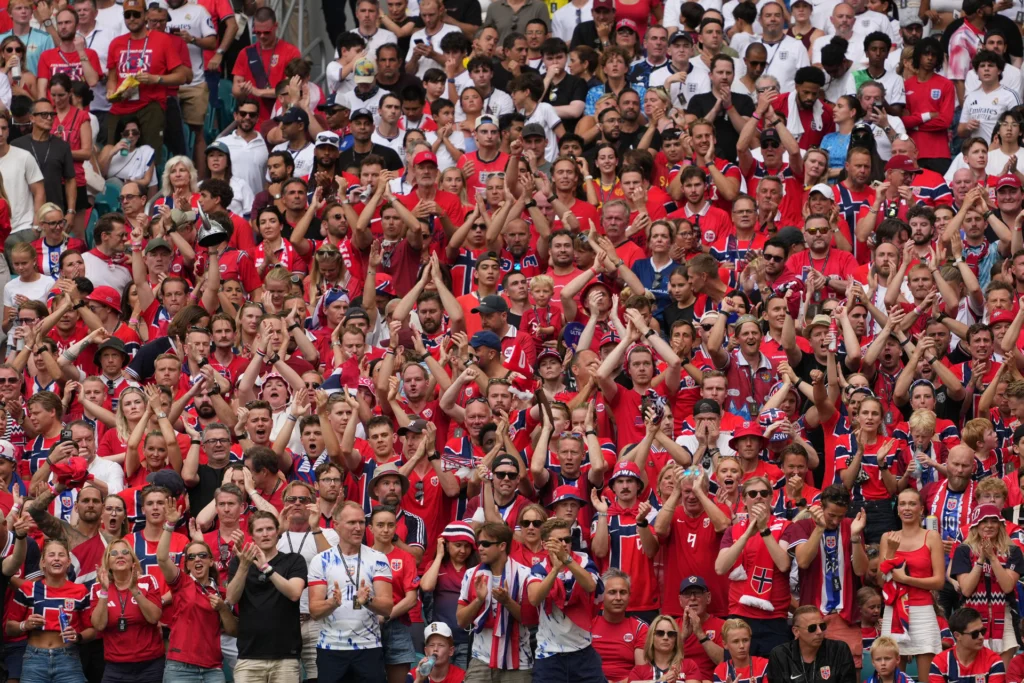
The FIFA World Cup 2026 has set a historic global sports milestone with more than 6.5 million fans attending matches across all venues, officially surpassing the combined total attendance of Russia 2018 and Qatar 2022.
The massive influx of spectators reflects the sociocultural impact of the tournament across the North American region and the overwhelming response from the international fan base.
The expansion of the format to 48 participating teams and the increase to 104 official matches have been key structural factors in reaching this unprecedented figure, according to official organizers.
RELATED: Football Betting Scandal: 11.6 Billion Shame Exposes Dark Side of Global Game
To fully grasp the magnitude of this organizational achievement, it is necessary to review data from the immediately preceding tournaments.
During the Russia 2018 World Cup, total stadium attendance closed at just over 3 million spectators. Subsequently, in Qatar 2022, documented attendance reached approximately 3.4 million. When adding the capacity of both competitions, the combined figure is surpassed by the current North American tournament, which still has decisive matches left to play.
Incredible support inside stadiums at @FIFAWorldCup 2026
More fans have attended this year’s tournament than the previous two editions combined!
pic.twitter.com/QTstYKS9JL
— FIFA (@FIFAcom) July 12, 2026

The current attendance figure of more than 6.5 million not only breaks earlier records but also highlights the growing global appetite for live sporting events in the post-pandemic era. Stadiums across the three host nations have reported near-capacity crowds for group stage matches, with several venues exceeding initial attendance projections by significant margins.
The volume of attendees also demonstrates the willingness of people to closely accompany their national teams, turning host cities into spaces of intense cultural exchange. Fan zones, public viewing areas and cultural festivals organized in parallel with the tournament have attracted millions more beyond official stadium gates, amplifying the economic and social footprint of the event.
This massive movement of fans transcends mere statistical success, underscoring the enduring power of football as a unifying phenomenon on a global scale. The FIFA World Cup 2026 has transformed cities such as Los Angeles, New York, Mexico City, Toronto and Vancouver into vibrant epicenters of international celebration, where supporters from 48 different nations have gathered to share their traditions, flags and songs.
Authorities from the three host nations maintain active logistical protocols to ensure the normal development of the event until its conclusion. Security operations, transportation networks and hospitality services have been operating at full capacity to accommodate the record-breaking influx of international visitors. Local economies have experienced a significant boost, with hotels, restaurants and transportation services reporting sustained high demand throughout the tournament.
The expanded format has been particularly well received by fans from smaller football nations that rarely qualify for World Cups. Countries such as Costa Rica, Jamaica, Saudi Arabia and Morocco have brought substantial numbers of supporters, contributing to the diversity of the crowds and the multicultural atmosphere that defines this edition.
The World Cup 2026 marks the first time the tournament is hosted by three nations simultaneously, a logistical challenge that organizers have managed successfully. The tri-national model has allowed for a wider geographic distribution of matches, enabling more fans across the continent to attend games without the need for long-distance travel.
With the tournament still underway and knockout stage matches approaching, attendance figures are expected to continue rising. Organizers project that the final attendance could exceed 7 million spectators by the time the champion is crowned, setting a benchmark that future World Cups will struggle to surpass. The current record not only celebrates the passion of football fans but also the organizational capacity of the three host nations to deliver a truly global event at an unprecedented scale.
From teleSUR English via This RSS Feed.