

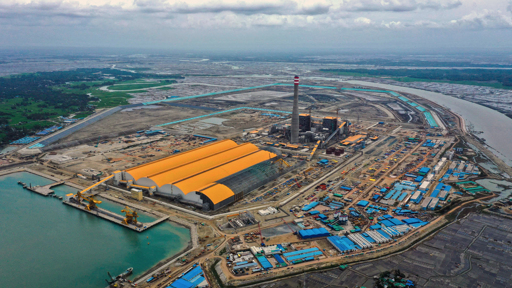
Eid is usually a day of laughter and joy for most people in Bangladesh, a Muslim-majority nation of 170 million in South Asia. But for Muhammad Gura Miya, it became a day of sadness and mourning after his only son left home on Eid in 2025 and never returned. Gura Miya, a 65-year-old resident of Maheshkhali sub-district of Bangladesh’s southeastern coastal district Cox’s Bazar, now spends his days in distress over the loss of his son. “He was my only hope and support. I don’t know where he is, or whether he is alive or dead,” Miya said. Miya is not alone. Mongabay spoke with dozens of families whose sons or household heads are missing or dead after attempting to migrate to Malaysia for work. On April 14, 2026, a small boat carrying around 250 people, including Bangladeshi nationals and Rohingya refugees, capsized in the Andaman Sea while en route to Malaysia. Only nine people were rescued; the rest remain missing. Young, unskilled people in this coastal area are risking illegal migration across the Bay of Bengal in small boats as fossil fuel projects, ports and petrochemical complexes threaten their ancestral livelihoods. A study on irregular migration from Bangladesh to Malaysia through the Bay of Bengal and the Andaman Sea found that Cox’s Bazar has become a new hub for human trafficking to Malaysia. Construction of Matarbari deep sea port. Image by Muhammad Mostafigur Rahman. A ship at the construction of Matarbari deep sea port. Image by Muhammad Mostafigur Rahman.…This article was originally published on Mongabay
From Conservation news via This RSS Feed.