

Recently, during my the US-Belgium match, a user said, “The only thing Belgium is known for is waffles” to which I responded with, “chopping off people’s hands for not meeting the rubber quota.” Unbelievably, the tweet went viral and many people expressed this is the first time they had heard of Belgium’s atrocities in Congo. Therefore, I think it is time to outline one of the worst possible executions of colonialism known as the Free State of Congo. While King Leopold II is the full formal title, I will refer to him simply as King Leopold throughout this piece for readability.
Chopping people’s hands off for not collecting enough rubber in Congo.
Being the inspiration for the book “The heart of Darkness” https://t.co/rKe81p5LKa pic.twitter.com/LGSiwZrdRe
— Esha K (@eshaLegal) July 6, 2026
King Leopold Wants a Colony
In the late 19th century, King Leopold II of Belgium was a man frustrated by his kingdom’s small size and modest status. While Britain, France, Germany, and Portugal carved out vast empires across Africa and Asia, Leopold ruled a constitutional monarchy with limited power and no overseas possessions. He craved the prestige, wealth, and influence that came with colonial dominion. “I do not want to miss a good chance to get a slice of this magnificent African cake,” he reportedly wrote in 1877.
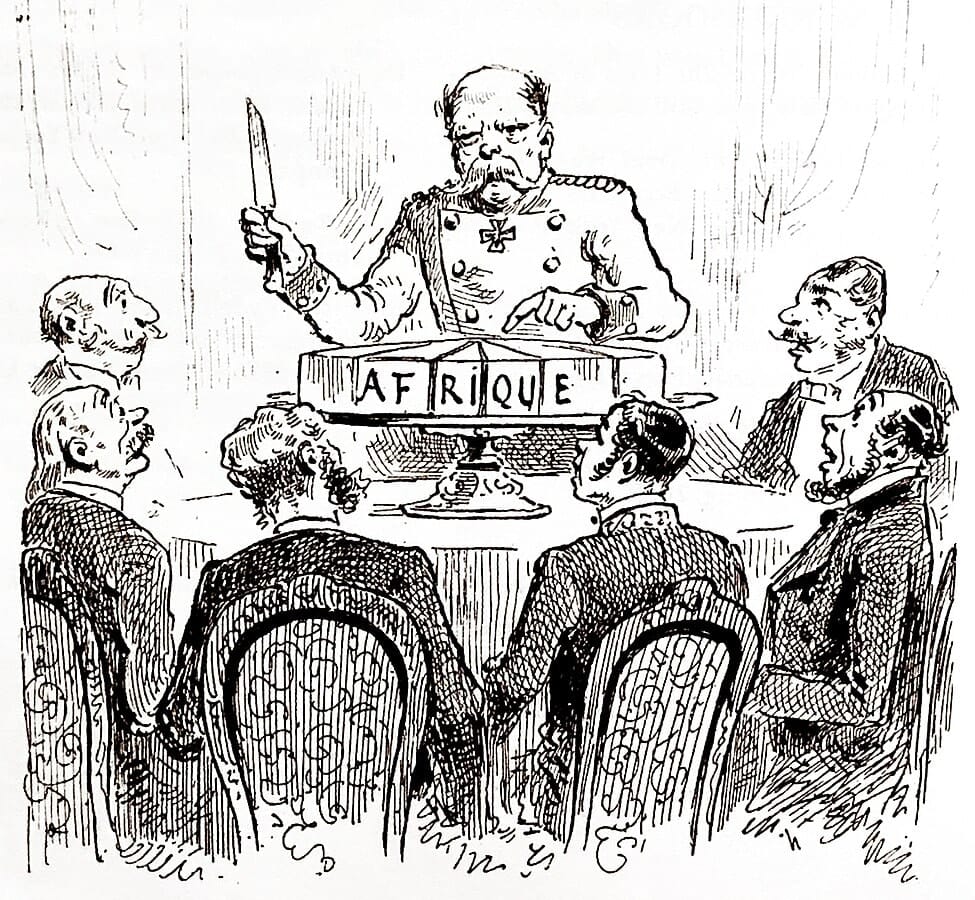
A parody of the Berlin Conference where Europeans are Carving up Africa like a cake
As a shrewd operator, who understood public relations and diplomacy. He cultivated an image as a benevolent philanthropist and humanitarian. In 1876, he convened the International Geographical Conference in Brussels and established the International African Association, ostensibly to promote scientific exploration, suppress the slave trade, and bring civilization to the Congo Basin. Behind the humanitarian rhetoric, however, was a clear personal project: acquiring a colony for himself.
To turn ambition into reality, Leopold hired the Welsh-American explorer Henry Morton Stanley. Between 1879 and 1884, Stanley traveled the Congo River, negotiating (often through deception, coercion, or alcohol-fueled “treaties”) with hundreds of local chiefs. These agreements — many of which the signatories could not read or fully understand — transferred vast tracts of land and sovereignty to Leopold’s association. The Congo Basin, rich in ivory, rubber, and other resources, and larger than Western Europe, became the prize.
The decisive moment came at the Berlin Conference of 1884–1885. Convened by Otto von Bismarck to regulate the Scramble for Africa and prevent European wars over the continent, the conference handed Leopold recognition of his claims. The Congo Free State was born on 1 July 1885 — not as a Belgian colony, but as the personal property of one man. At over 2.3 million square kilometers, it was 76 times the size of Belgium itself. Leopold had not just a colony, but his own fiefdom. The stage was set for one of history’s most brutal forms of colonial extraction and rule from afar.
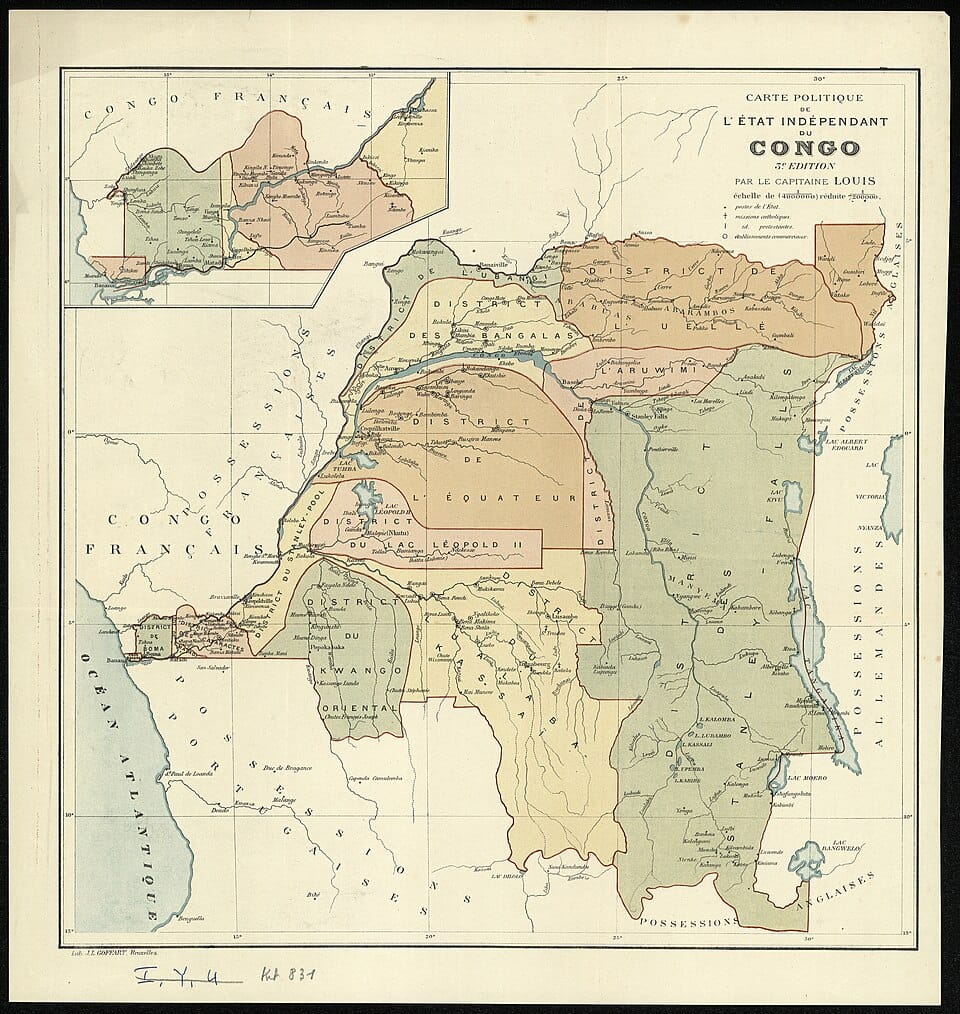
Map of the Free State of Congo
In order to exploit the potential riches in Congo, King Leopold had to raise initial capital to fund the exploration of Congo, then the armies, personnel, and resources required to exploit those riches. Being a sovereign gave him a bit of flexibility. In 1887, King Leopold decided to issue public bonds for the Congo Free State to finance the initial costs of exploitation, structured as a lottery-bond loan with a target of 150 million francs total, released in tranches.
Bonds are, in essence, a form of borrowing. When a government or institution issues a bond, it’s asking the public to lend it money upfront in exchange for a promise to repay that amount later, plus interest, once the bond reaches its maturity — typically five or ten years down the line. Investors who bought Leopold’s bonds were, in effect, betting on the future profitability of the Congo Free State, expecting to be repaid with interest once the colony began generating returns.
The bonds were listed on the Paris stock exchange, but King Leopold had to make territorial concessions to the French Congo to allow for listing. Initially, major banks such as the Rothschilds refused to act as intermediaries to facilitate these bonds, but they eventually made it to the Paris Stock Market. The first tranche, worth 10 million francs, sold reasonably well, though it had to be discounted to 83% of par — well below Leopold’s hoped-for price of 92. But in April 1889, the second tranche, worth 60 million francs, performed extremely poorly, with less than half of it taken up by the public. In the end, he only raised approximately 30 million francs — far less than what was needed to finance the exploitation of Congo.
Faced with this shortfall, Leopold turned to the Belgian government in 1890. Rather than handing over a lump sum, Belgium agreed to a 25-million-franc interest-free loan structured as annual installments paid out over ten years, with the Congo itself serving as collateral. Crucially, the arrangement also gave Belgium the option — six months after that ten-year term expired — to formally annex the colony. In effect, if King Leopold failed to pay out the loan, the state of Belgium would be able to take over the Congo Free State.
With outstanding bonds coming due and the Belgian loan needing repayment, King Leopold had to turn Congo into a money-making enterprise very quickly. Thus, began one of the worst atrocities ever recorded by mankind.
The Colonial Exploitation
To make the Congo profitable, Leopold created a highly centralized but thinly staffed colonial structure. At the top, ultimate authority rested with Leopold himself in Brussels — the Congo Free State was legally his personal property, not a Belgian colony. On the ground, he appointed a small number of European administrators (often called commissaires de district or station chiefs) who were given near-absolute power over large territories. These men were frequently former military officers or adventurers motivated by high salaries and the chance to enrich themselves through ivory and, later, rubber.
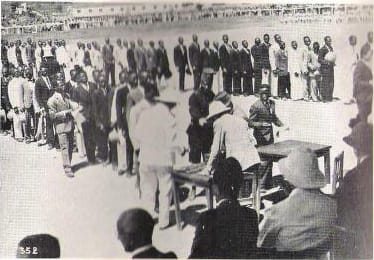
People Enlisting to be in the Force Publique
To enforce control and extract resources, Leopold established the Force Publique in 1885–1886. This was his private army and police force. It was initially small and commanded by Belgian officers (starting with Captain Léon Roget), supplemented by European mercenaries. The rank-and-file soldiers were mostly African recruits — many from outside the region (Zanzibaris, West Africans) or former slaves — deliberately stationed far from their homes to limit loyalty to local populations. By the early 1890s the Force Publique had grown to several thousand men and became the primary instrument of terror and labor enforcement.
Initially, Leopold’s agents focused heavily on ivory. Elephant tusks were highly valuable in Europe for piano keys, billiard balls, and decorative items, and the Congo Basin had large elephant populations. European station chiefs and concession companies sent hunting parties and forced local communities to supply tusks. For a few years this generated significant revenue, but it quickly proved unsustainable. Elephants were hunted to near-extinction in accessible areas, supply chains were difficult to maintain across the vast territory, and profits could not keep pace with Leopold’s mounting debts and bond obligations.
The game-changer came with the bicycle boom of the 1890s. The invention of the safety bicycle and the growing popularity of cycling created an explosion in demand for rubber — specifically for tires. Factories in Europe and America suddenly needed vast quantities of the material. Wild rubber vines grew abundantly throughout the Congo’s rainforests, and unlike cultivated rubber in Southeast Asia (which took years to mature), Congo’s rubber could be harvested almost immediately by tapping the vines.
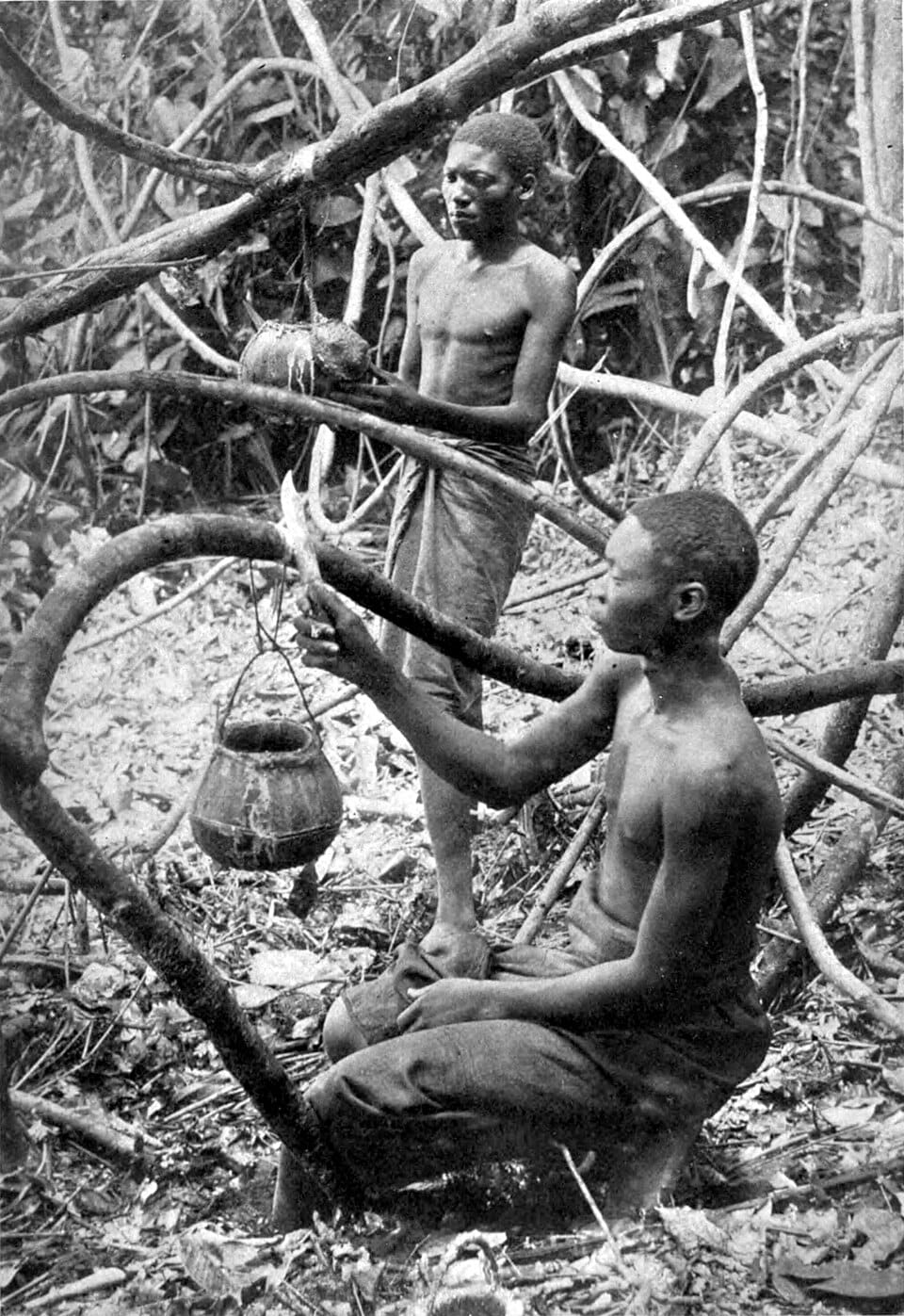
Congolese Laborers working to extract Rubber
This timing was perfect for Leopold. With pressure from creditors and the need to service his bonds and the Belgian loan, he rapidly shifted the entire economy toward rubber extraction. Administrators imposed strict quotas on every district, and the Force Publique was deployed to enforce them with brutal efficiency. What had been a failing ivory enterprise suddenly became an extraordinarily profitable one — at the cost of millions of Congolese lives.
The Terror of Red Rubber
In 1891–1892, the administration declared all “vacant” land (terres vacantes) the property of the state. Huge concessions were granted to private companies, including the Anglo-Belgian India Rubber Company (ABIR) — which attracted significant British investment — and the Société Anversoise. These firms shared profits directly with Leopold and the state while being given virtual free rein over their territories.
To meet the exploding demand, the Free State imposed a brutal quota system. Each village was assigned a specific amount of rubber it had to deliver every two weeks or month. The quotas were often impossibly high — sometimes requiring men to spend weeks at a time deep in the forest tapping vines, far from their fields and families. Payment for the rubber was minimal or token (a few beads, a knife, or a piece of cloth).
The enforcement mechanism was terror through hostages. When a village failed to meet its quota — or resisted — soldiers from the Force Publique or company militias (often called “sentries”) would raid the village. They routinely kidnapped women and children, holding them in stockades or prisons as leverage. The men were told: bring the rubber, or your wives and daughters will not be released (or worse). Many hostages died from starvation, disease, or abuse while imprisoned.
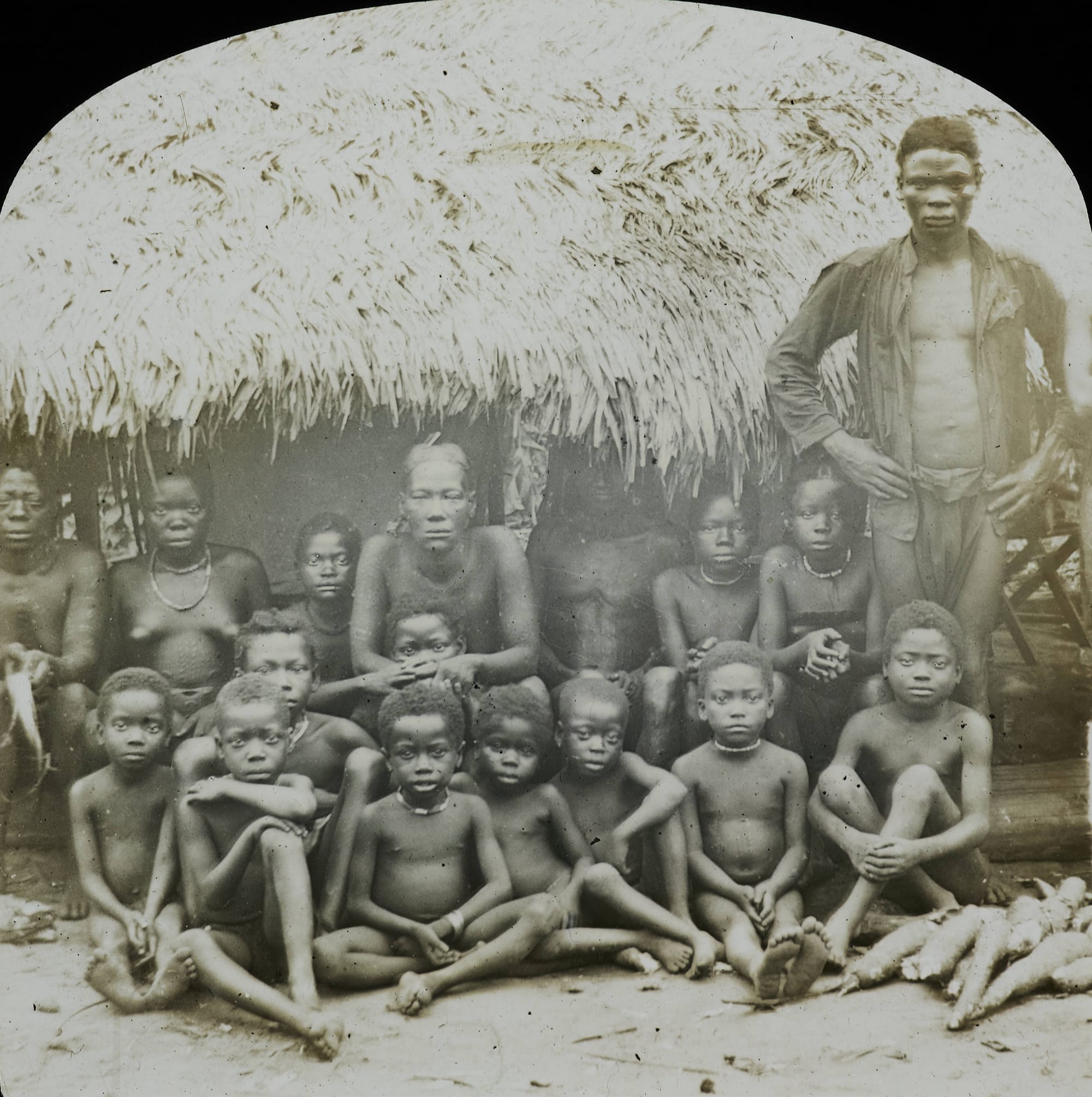
A group of hostages between 1900-1908
If the quota was still not met, the punishment escalated. Men were beaten with the chicotte (a whip made of sun-dried hippopotamus hide that could inflict deep, festering wounds). Villages were burned. Resisters were killed.
A particularly infamous practice emerged: soldiers were required to account for every bullet issued by bringing back a severed right hand as proof that it had been used on a person rather than wasted. Therefore, sometimes hands were cut-off from people who were alive in order to account for these bullets allowed these soldiers to trade for rewards like cigarettes or extra pay, since officers sometimes offered bonuses or better treatment to those who exceeded their hand quotas — incentivizing the practice far beyond what bullet accounting alone required.
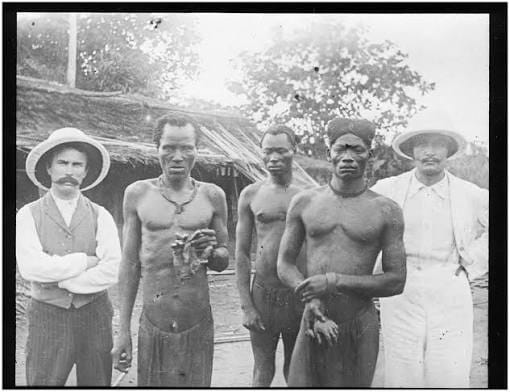
Hands were amputated
The Belgian officers stationed in Congo operated with near-total impunity, free to enact almost any atrocity without consequence. Few sources capture this as vividly as the diaries of Joseph Conrad — the author who would later draw on his time in the Congo to write Heart of Darkness. On Tuesday the 29th, he wrote: “Met ripe pineapple for the first time. On the road today passed a skeleton tied up to a post.”
The juxtaposition is jarring: tasting a ripe pineapple for the first time, sandwiched against passing a skeleton tied to a post, recorded in the same breath. Most people would recoil in horror at such a sight. But in Conrad’s diary, it appears as a casual aside, mentioned in the same tone as the fruit. That flatness is itself the point — it suggests how routine such scenes had become to those living in the Congo Free State.
In another entry, he wrote: “Chief came with a youth about 13 suffering from gunshot wound in the head. Bullet entered about an inch above the right eyebrow and came out a little inside. The roots of the hair, fairly in the middle of the brow in a line with the bridge of the nose. Bone not damaged apparently. Gave him a little glycerine to put on the wound made by the bullet on coming out.”
Once again, the clinical, almost detached description of a child’s gunshot wound reveals just how desensitized witnesses like Conrad had become to the violence surrounding them — a horror so normalized it could be recorded with the same tone as a weather report.
The total death toll is still unknown because of the limited data. No exact census figures existed before 1885. Therefore, the exact number of people killed is impossible to determine at present. The first reliable count in 1924 recorded roughly 10 million people. Popular estimates, popularized by Adam Hochschild and Jan Vansina, suggest around 10 million deaths — approximately half the population — from a combination of direct violence, starvation, disease (especially sleeping sickness), and collapsing birth rates.Regardless of the exact numbers, under the modern conventions this definitely constitutes a genocide.
The Accounting that Exposed the Slave State
The atrocities in Congo may have continued for a much longer time, but an unlikely figure, a shipping clerk, brought down the Congo Free State In 1873, Edmund Dene Morel (E.D. Morel), was born in Paris to a French Father and en English mother. He moved to Liverpool and in 1891, he took up a clerkship at Elder Dempster, a shipping company that had a contract for the trade route between Antwerp, Belgium, and Boma, the capital of the Congo Free State. He was fluent in French and English, therefore, he was frequently sent to Belgium. During one of these trips, he happened to gain direct access to the international shipping accounts of the Congo Free State.
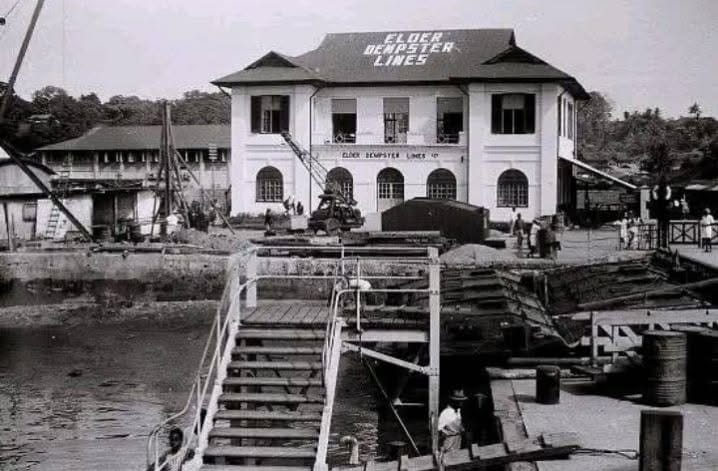
Elder Dempster Shipping Line
In these ledgers, Morel noticed something peculiar. On the ships that arrived in Antwerp from Congo, the manifest was filled with raw rubber and ivory, which was worth a fortune in Europe. But, on the ships heading back, there was nothing of comparable value. Instead, they were filled with guns, ammunitions and explosives.
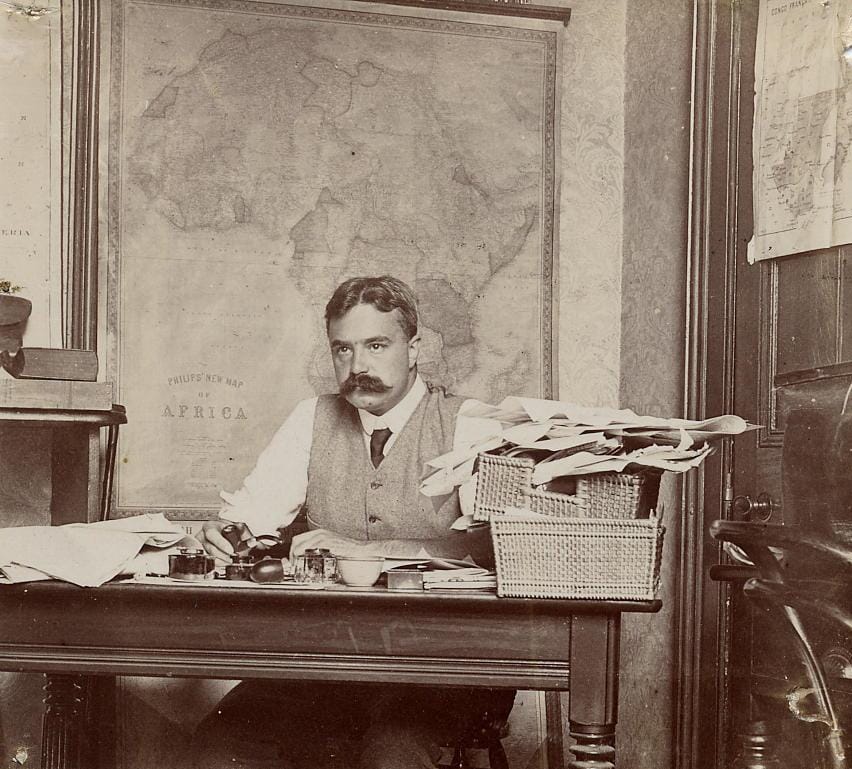
E.D. Morell going through the shipping manifests and other paperwork
To a shipping clerk trained in reading manifests, this imbalance told him the whole story. Under ordinary trade, goods moves in both directions and are reciprocal. Here, wealth was leaving Africa in one direction, while instruments of war was returning in its place. If nothing of value was going in to pay the Congolese for their labor, the labor wasn’t being purchased at all. It was being coerced through slavery.
This bothered him so much that Morel began writing a series of articles made by his discovery. In 1901, he resigned his position at Elder Dempster to fight for the rights of people in Congo. He would go on to create his own newspaper, the West African Mail. In 1904, he made acquaintances with an irishmen Roger Casement, who had gone to Congo and documented all the atrocities personally. They formed the Congo Reform Association to bring to light what King Leopold had tried to hide for so long under his public relations campaigns.
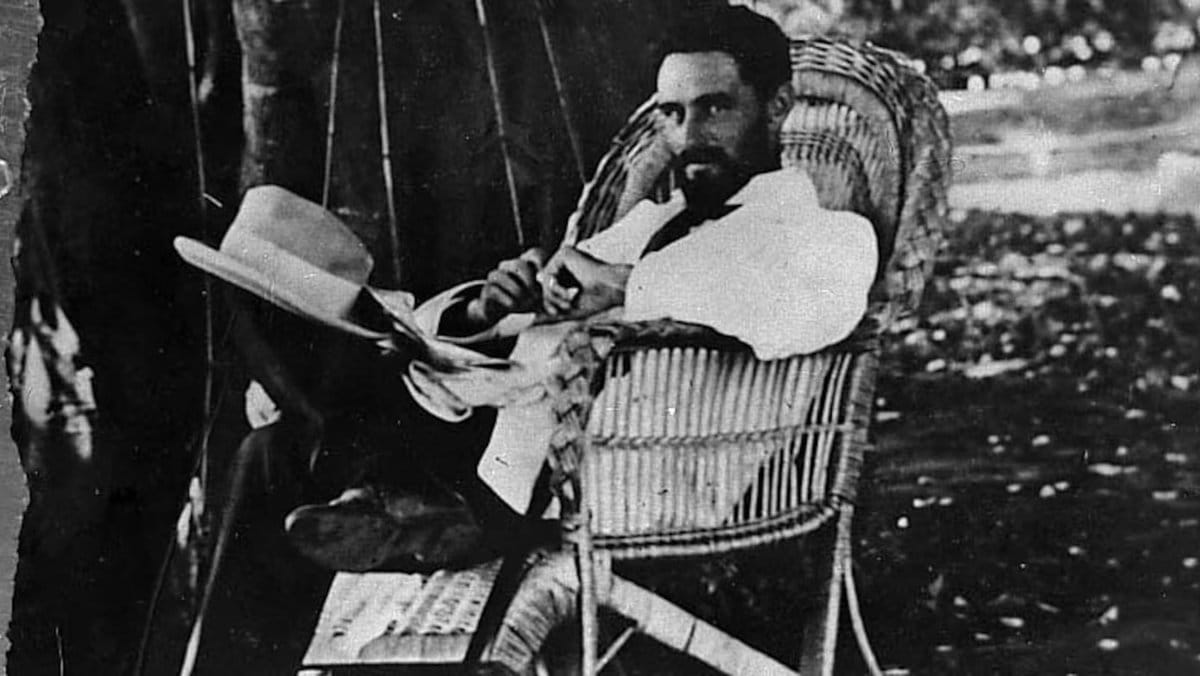
Roger Casement went to Congo and Brought back many accounts
By 1903, Morel’s accusations had gained enough traction that the British House of Commons passed a resolution calling for action on the Congo question. A cynic would notice the sudden interest in the human rights in Congo, because much of the profits were going to ABIR, a British-Belgian Company. The British government turned to Roger Casement, an Irish-born diplomat serving as British consul at Boma, the Congo Free State’s capital, and instructed him to investigate the allegations firsthand.
Casement spent the latter half of 1903 traveling for over three months along the Upper Congo River and its tributaries, deep into the rubber-producing interior. Rather than relying on secondhand accounts, he gathered direct testimony from Congolese villagers and refugees, recording their statements and cross-referencing them against physical evidence — visible scars, mutilated survivors, and skeletal remains at abandoned posts.
What he documented was staggering. In some lakeside districts, he found that populations had collapsed by 60 to 70 percent over the preceding decade, driven by a rubber tax that could only be enforced through what amounted to continuous warfare against local communities. Refugees described being forced deeper and further into the forest in search of ever-scarcer rubber vines, abandoning their fields and starving as a result, only to be told by Force Publique soldiers that they were “beasts” for failing to meet impossible quotas. One witness recounted watching soldiers kill children in a river during a raid, then cut off the hands of the dead and count out two hundred severed hands in front of a Belgian officer as proof of the operation’s “success.”
Casement’s report — 40 pages of official findings, with a further 20 pages of individual sworn statements appended — was delivered to the British Parliament on February 12, 1904. Because it carried the weight of an official government dispatch rather than missionary testimony or journalism, it was far harder for Leopold’s regime to dismiss as biased propaganda. Belgian officials tried anyway, framing it as a British commercial attack on Belgian sovereignty.
Yet King Leopold had done an excellent job courting the press, especially the American press. Many articles continued to dismiss the growing reports of atrocities as exaggerated or fabricated.
Mark Twain captured this dynamic brilliantly in King Leopold’s Soliloquy. His fictionalized king laments that written testimony could always be managed: “Ten thousand pulpits and ten thousand presses are saying the good word for me all the time.” But photography, Twain suggested, was different. The king complains bitterly about “the incorruptible Kodak — the only witness I have encountered in my long experience that I couldn’t bribe.”
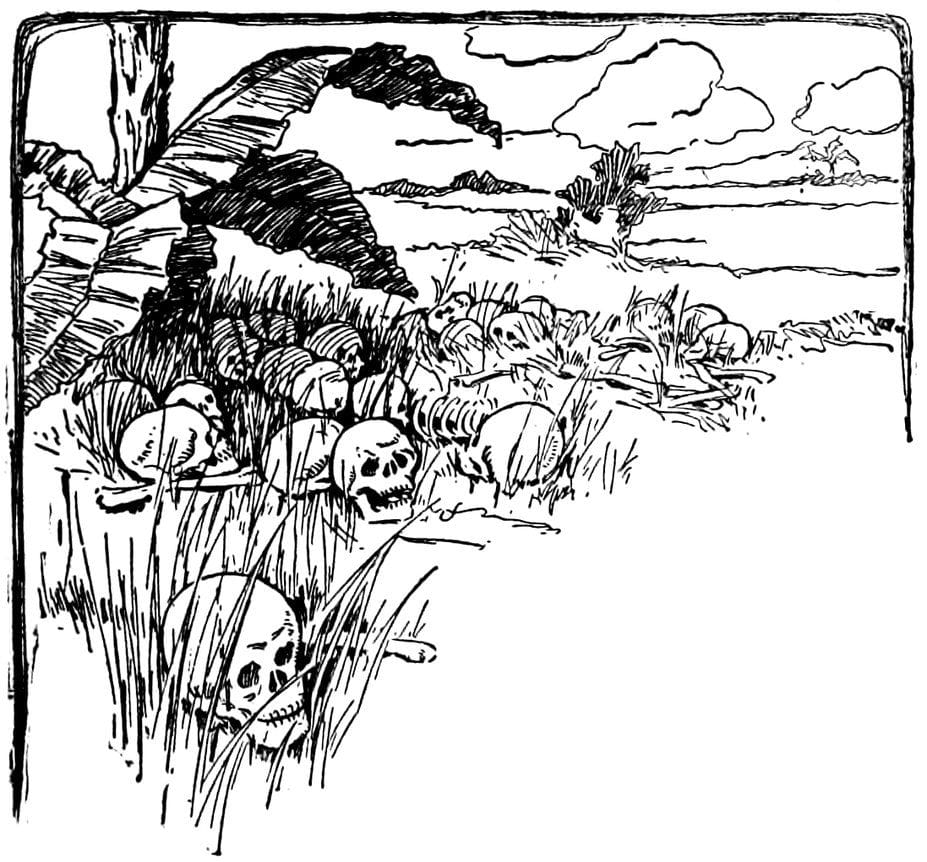
A drawing from King Leopold’s Soliloquy
(Note: Twain was not praising the Kodak company. He was using “Kodak” generically for the camera itself — the same way we say “Google” for search or “Kleenex” for tissue. The power lay in the photographic evidence, which was far harder to bribe, censor, or discredit.)
A Picture is Worth a Thousand Words
For years, Leopold had successfully controlled the outside world’s perception of his colony. Words could be contested, discredited, or drowned out. Photographs could not.
The turning point came with Alice Seeley Harris, an English missionary who arrived in the Congo in 1898 with her husband, Rev. John Hobbis Harris. She brought a Kodak camera intending only to document mission life and nature. That changed dramatically in 1904 when a man named Nsala arrived at their station in Baringa carrying a small bundle wrapped in leaves. Inside were the severed hand and foot of his five-year-old daughter, Boali, killed by Force Publique sentries after his village failed to meet its rubber quota.
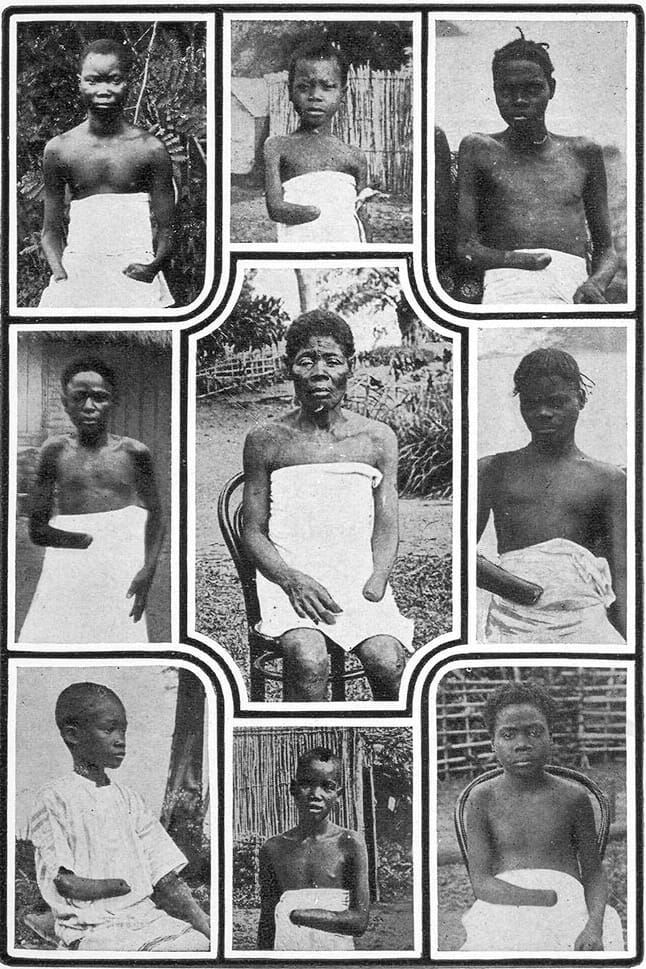
Pictures that tell a 100 words
Alice asked Nsala to sit for a photograph with the remains. The image — Nsala staring blankly at what was left of his child — became one of the most devastating pieces of evidence against a colonial regime in history.
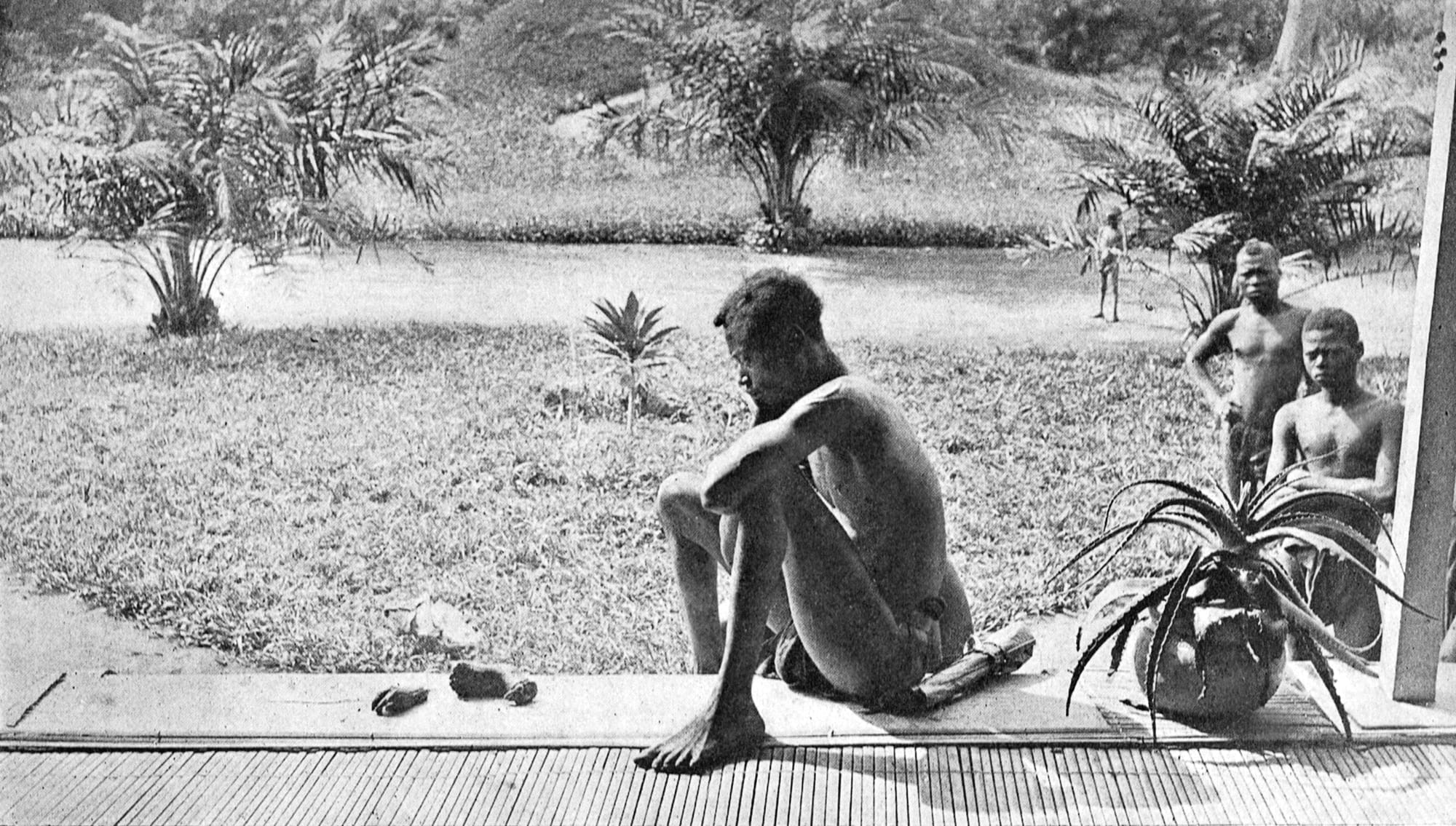
Photo of Nsala starting at his toddler’s amputated hands
The photograph quickly spread. It appeared in pamphlets, E.D. Morel’s book King Leopold’s Rule in Africa, and in the Congo Reform Association’s campaign. In 1906, the Harrises launched a groundbreaking magic lantern tour across Britain and America, showing Alice’s images to audiences in over 200 meetings. What had been abstract reports suddenly became horrifyingly visible.
A written report could be disputed. A missionary’s testimony could be dismissed. But a photograph of a grieving father holding his daughter’s severed hand needed no translation — and admitted no rebuttal.
The pressure worked. Leopold was forced to convene his own international commission of inquiry in October 1904; when it reported back in 1905, it confirmed Casement’s findings in nearly every detail, including verifying the systemic abuses committed by concession companies like ABIR. The fallout led to actual prosecutions — including one Belgian official sentenced to five years for causing the deaths of at least 122 Congolese people during a single rubber-collection expedition.
Casement and Morel, who had already been corresponding, met in person shortly before the report’s publication and recognized in each other the ally each had been looking for. Together, they founded the Congo Reform Association in 1904, using the Casement Report as the evidentiary bedrock for what would become an international humanitarian campaign — one that, combined with mounting financial pressure on Leopold, ultimately forced Belgium to annex the Congo Free State in 1908.
The Legacy Continues…
In 1908, under mounting international pressure, Belgium formally annexed the Congo Free State, ending Leopold’s personal rule. The worst excesses of the rubber terror were gradually reduced, but the underlying structures of exploitation remained largely intact.
Congo’s rich deposits of copper became known, which led to the opening of the mining concession Union Minière, which exploited the rich copper deposits in the province of Katanga. While Belgians and foreign companies extracted minerals worth billions of dollars, Congolese were left with very little to show for it. Besides the mineral-rich region of Katanga, there were not many highways joining the country together. Schools were few and far between and mostly serviced Belgian pupils. The Belgian colonization in Congo was so brutal that in 1960 when Belgium finally left Congo, the average life expectancy was 40.2 years. Diseases were rampant.
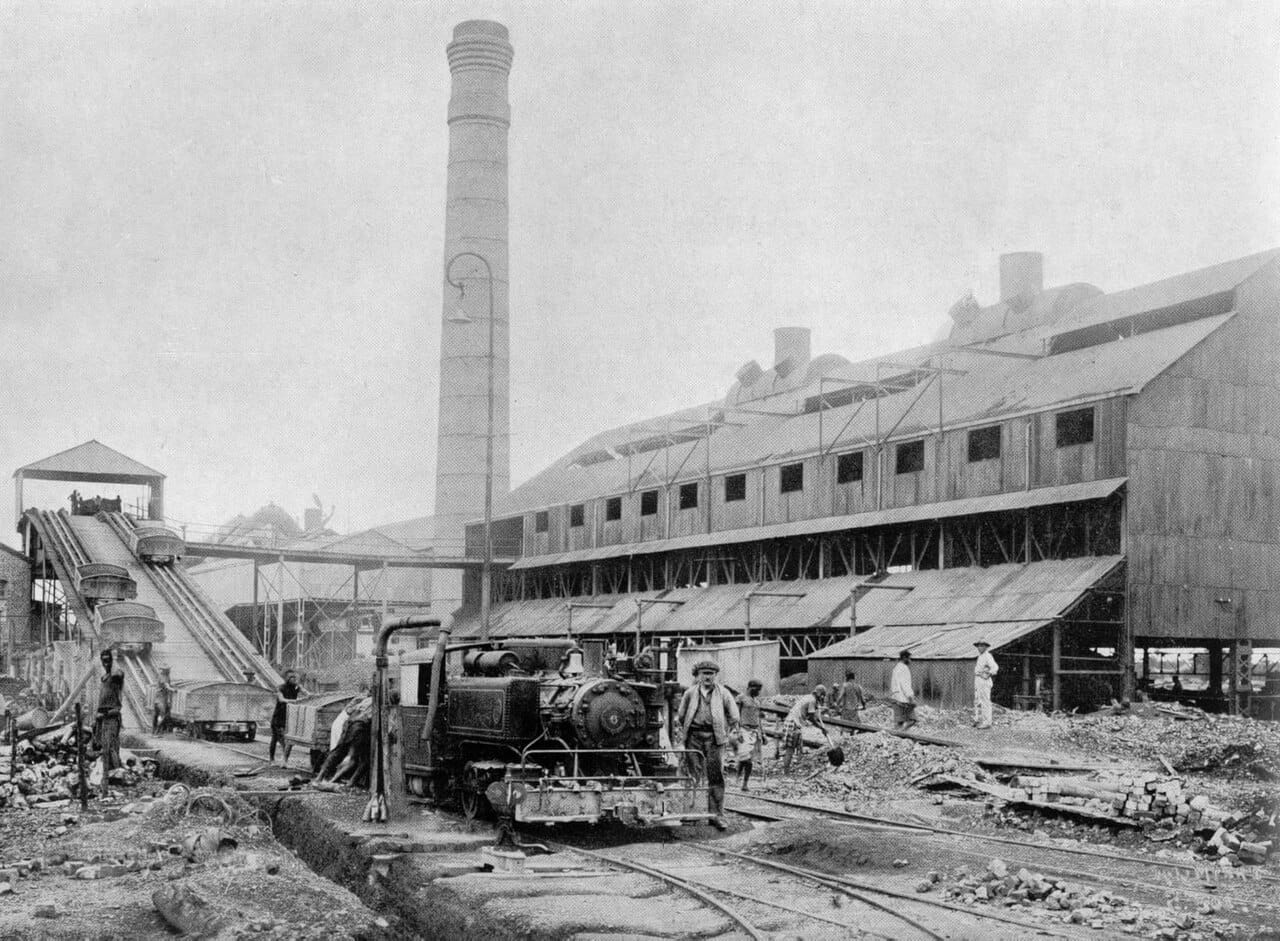
Union Minere continuing to exploit
While independent Congo has made progress in quality of life since then, more than a century later the patterns remain disturbingly familiar. The Democratic Republic of Congo still holds some of the world’s richest mineral deposits — especially cobalt — yet it remains one of the poorest countries on earth. Today, child labor persists in the mining regions. In the copper-cobalt belt, 11% of children aged 3–17 work outside the household, and overall 58% of children in these communities are engaged in some form of work. Many of them labor in hazardous artisanal mines, digging with their bare hands for the cobalt that powers electric vehicle batteries and the global green energy transition.
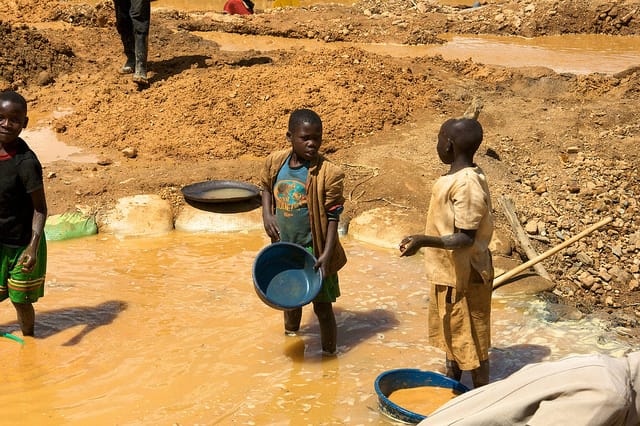
Child Miner’s in Congo
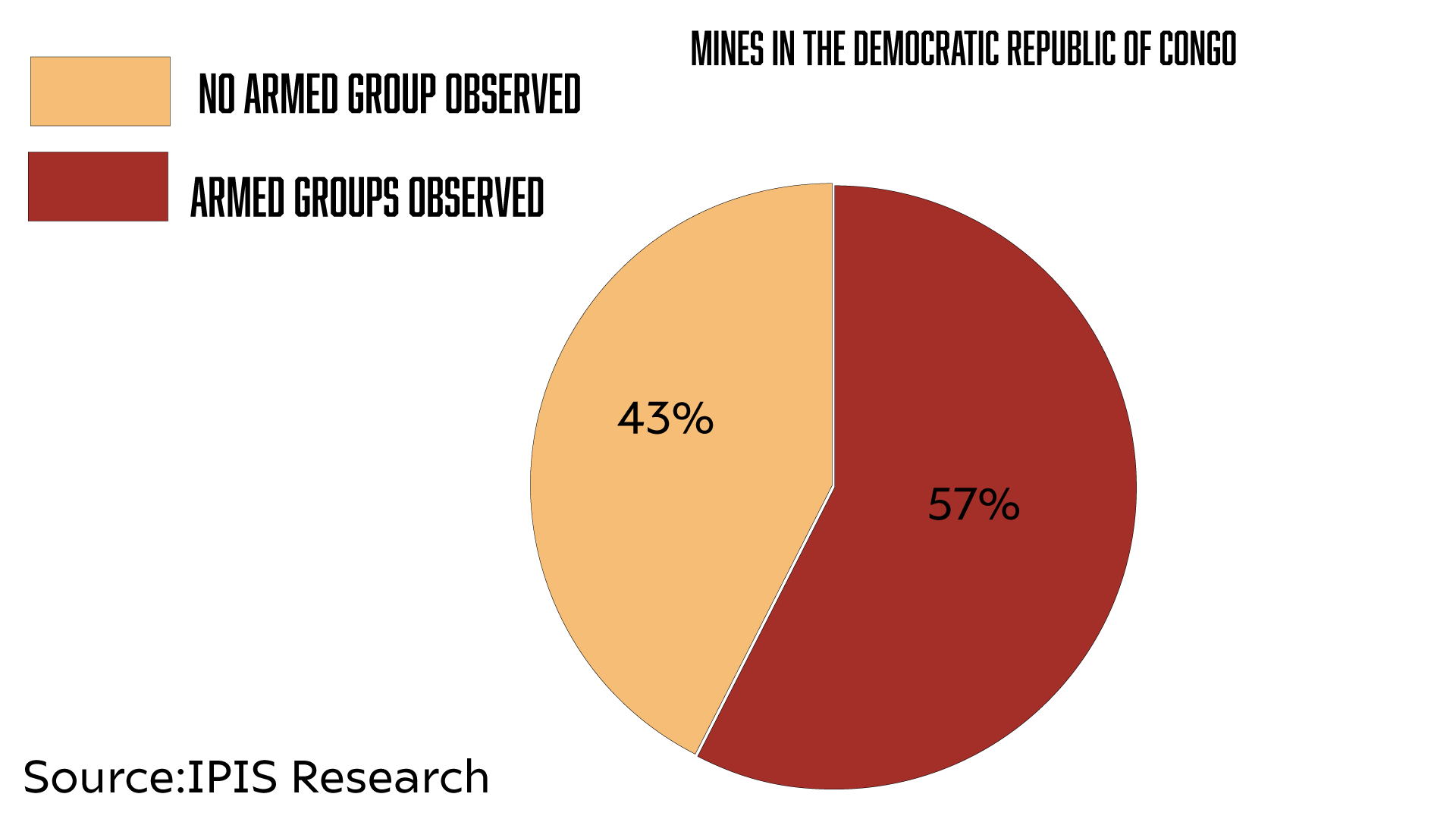
The situation is made worse by instability: 57% of mines in the DRC have armed groups present, not that different from Force Publique, according to IPIS Research. In the same regions once devastated by rubber quotas, people are still losing limbs in these mines. A 2013 study on occupational accidents in Katanga’s artisanal mines found that upper limbs were injured in over 50% of cases and lower limbs in nearly 30%. Many miners suffer permanent injuries — lost fingers, hands, or worse.
Belgium has never offered formal reparations for the atrocities committed under Leopold or during the broader colonial period. King Philippe has expressed “deepest regrets” for colonial violence, paternalism, and suffering (in 2020 and during his 2022 visit), but no full official apology or comprehensive compensation program has followed.

Regardless of the flying Giant mythology of Antwerp, these chocolate hands are sold for 23 Euros
Even small cultural symbols remain unchanged. In Antwerp, chocolate “hands” (Antwerpse handjes) are still sold as souvenirs. After everything that happened in the Congo, that tradition feels painfully outdated.
We read these stories about mine collapses, and unsafe working conditions in Congo on our iPhones and laptops — devices powered by the very minerals coming out of those mines — feel a brief pang of discomfort, and then scroll on.
If you’ve made it this far, and found our article illuminating, please remember we are 100% reader supported. If you think this work matters, throw us a few dollars so we can keep going. The empire certainly isn’t funding us.
Further Reading
King Leopold’s Ghost by Adam Hochschild
Red Rubber by E.D. Morel
From Historic.ly via This RSS Feed.