

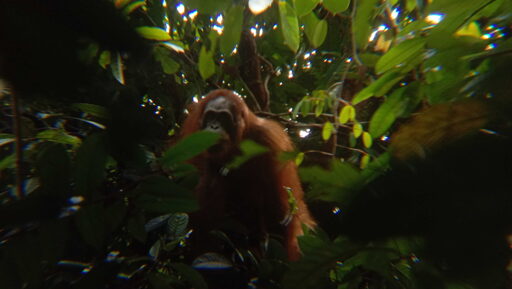
In Indonesian Borneo, conservation organization KehatiKu is testing a new approach: paying local people to photograph wildlife and upload the sightings through an app. In just one year, the project has collected around 175,000 records. Participants can earn about $6 for a photo of an orangutan, while smaller payments are offered for more common species. Thanks to the initiative, local communities are already working to prevent illegal hunting in their areas. Why this new approach? In the last 20 years, more than $1 billion has been spent on orangutan conservation, yet around 100,000 orangutans have been lost. However, according to KehatiKu this new conservation approach is showing concrete successes at a small fraction of the cost of traditional conservation efforts. Some experts advise caution. Paul Ferraro, professor of human behavior and public policy at Johns Hopkins University in the U.S., argues it requires a constant flow of funding, which could create problems in the future. It may be effective for initial engagement, he says, but could prove difficult to sustain in the long term.This article was originally published on Mongabay
From Conservation news via This RSS Feed.