

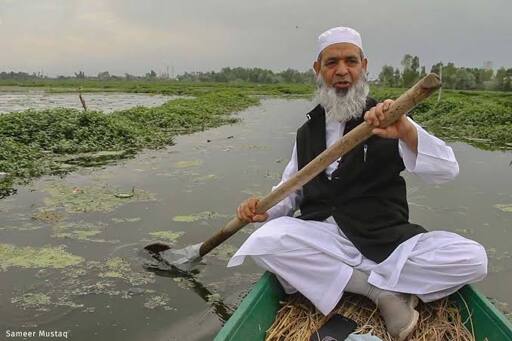
The lakes and wetlands of Kashmir in northwestern India have long sustained the valley’s biodiversity, agriculture, tourism and water security. But over recent decades, these freshwater ecosystems have come under increasing pressure from pollution, encroachment and rapid urbanization. A recent government audit found that nearly half (315 of the 697) of lakes recorded across Jammu and Kashmir have disappeared, while another 203 have shrunk, raising concerns about the region’s ecological health and long-term water security. Against this backdrop, Manzoor Ahmad Wangnoo has spent more than two decades trying to reverse the decline of Kashmir’s freshwater ecosystem. The businessman-turned-conservationist has become one of the leading voices for protecting Kashmir’s lakes, wetlands and springs. Through the nonprofit Nigeen Lake Conservation Organisation (NLCO) and its flagship Mission Ehsaas, he has helped mobilize residents, volunteers and government agencies around the restoration of degraded water bodies, including the Khushalsar-Gilsar wetland system, two interconnected urban lakes in the heart of Srinagar. Conservation is not just about cleaning lakes for Wangnoo. It’s the reestablishment of a relationship between individuals and nature, a relationship he describes as Ehsaas, a word in Urdu and Kashmiri meaning “awareness” or “realization.” Nigeen Lake Conservation Organisation team visit to a lake. Image courtesy of NLCO. During an in-person interview with Mongabay, Manzoor Ahmad Wangnoo discussed his conservation journey, the significance of wetlands, the challenges facing these ecosystems such as pollution and encroachment, and his optimism for the future of these wetlands as a result of community stewardship. The following interview conducted in…This article was originally published on Mongabay
From Conservation news via This RSS Feed.