

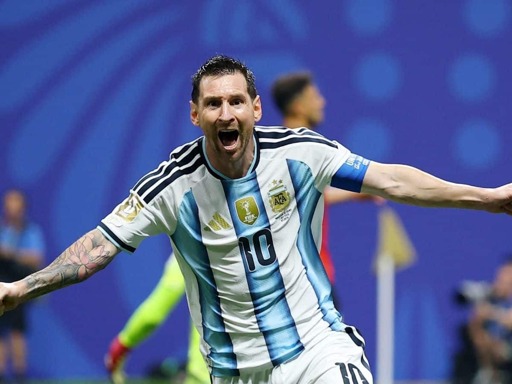
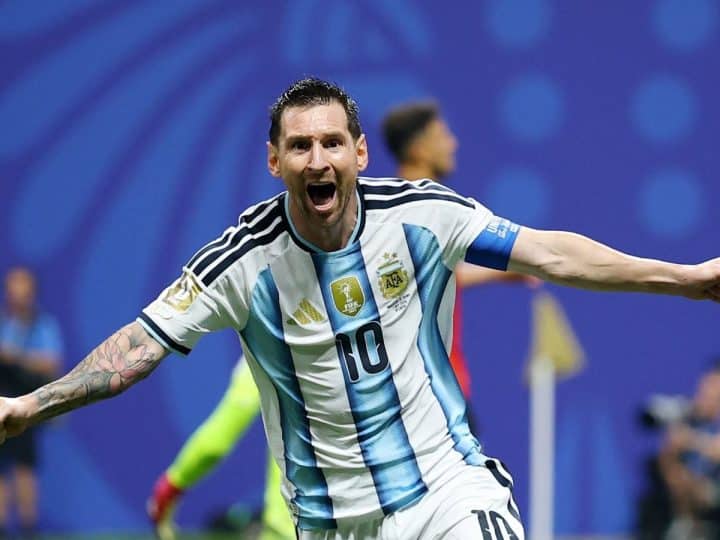
The final minutes of the match between Argentina and Egypt in the round of 16 of the 2026 World Cup were not merely decisive moments in determining who would progress to the quarter-finals; they also proved to be a turning point for the tournament’s economy. With Egypt leading by two goals to nil, Argentina were just minutes away from being knocked out of the World Cup, which would have meant the exit of their star player, Lionel Messi — a scenario that would not only have altered the landscape of the competition but would also have had a direct impact on the ticket market and the tournament’s commercial value.
Whilst Messi and his teammates managed to turn the result around to secure a thrilling 3–2 victory, the Argentine national team was not the only beneficiary. Ticket market data suggests that this historic comeback had an immediate impact on the economic value of upcoming matches – a scenario that illustrates how the results of major matches now influence the World Cup’s economy just as swiftly as they do on the pitch.
A surge in ticket prices within minutes
According to a report by the British website HITC, based on data from Ticket Data — a platform specialising in monitoring the ticket resale market — ticket prices for Argentina’s quarter-final match saw a sharp change as the match against Egypt unfolded.
As the Egyptian team took a two-goal lead, average ticket prices fell to around 1,000 dollars, amid expectations that Argentina and Messi would be knocked out of the tournament. However, following the dramatic comeback and 3–2 victory, average prices jumped to around 2,000 dollars — almost doubling in a short space of time — as fans rushed to book their seats to watch Messi in the knockout stages.
This rapid change reflects the impact of the dynamic pricing system implemented by FIFA for the 2026 World Cup, whereby prices fluctuate according to demand — a factor that made Messi’s survival a significant economic driver the moment the final whistle blew.
Messi’s exit… a loss that goes beyond the pitch
Messi’s commercial value is not tied to a single match, but to his ability to attract fans, businesses and the media to the tournament. His early exit therefore did not merely mean the loss of one of the title favourites; it would also have impacted one of the most crowd-pulling matches in the knockout stages.
This economic sensitivity comes at a time when FIFA is aiming to generate record revenues of around $10.9 billion from the 2026 World Cup, of which around $3 billion is expected to come from tickets and hospitality alone, making any change in demand for major matches a key factor in the tournament’s commercial returns.
In this context, the match between Egypt and Argentina appears to be a clear example of the direct relationship between sporting results and the ticket market, as Messi’s goal — which brought Argentina back into contention — was not merely a goal to secure qualification, but simultaneously became an economic turning point that restored momentum to one of the most valuable quarter-final matches on the market.
The comeback generated a windfall for FIFA
Comebacks are usually measured in terms of goals and results, but what happened against Egypt revealed another side to modern football, where the minutes of a match can shift millions of dollars in the ticket market within a short space of time.
Whilst Messi celebrated leading Argentina into the quarter-finals, the resale markets were recording a striking rise in prices — a scene which confirms that some stars no longer make a difference solely on the pitch; their continued presence in the tournament has become part of an economic equation on which FIFA is banking right up until the final whistle.
Featured image via the Canary
By Alaa Shamali
From Canary via This RSS Feed.