

Bullying culture, particularly in the online world, is something that the left needs to discuss following the Graham Platner saga, who was clearly a perpetrator of online bullying.
In the viral world of keyboard activists, many on the left have been complicit in bullying, leaving deep psychological scars on many, including myself who, as an oddball autistic, has taken on corruption & sexual misconduct in the labor movement.
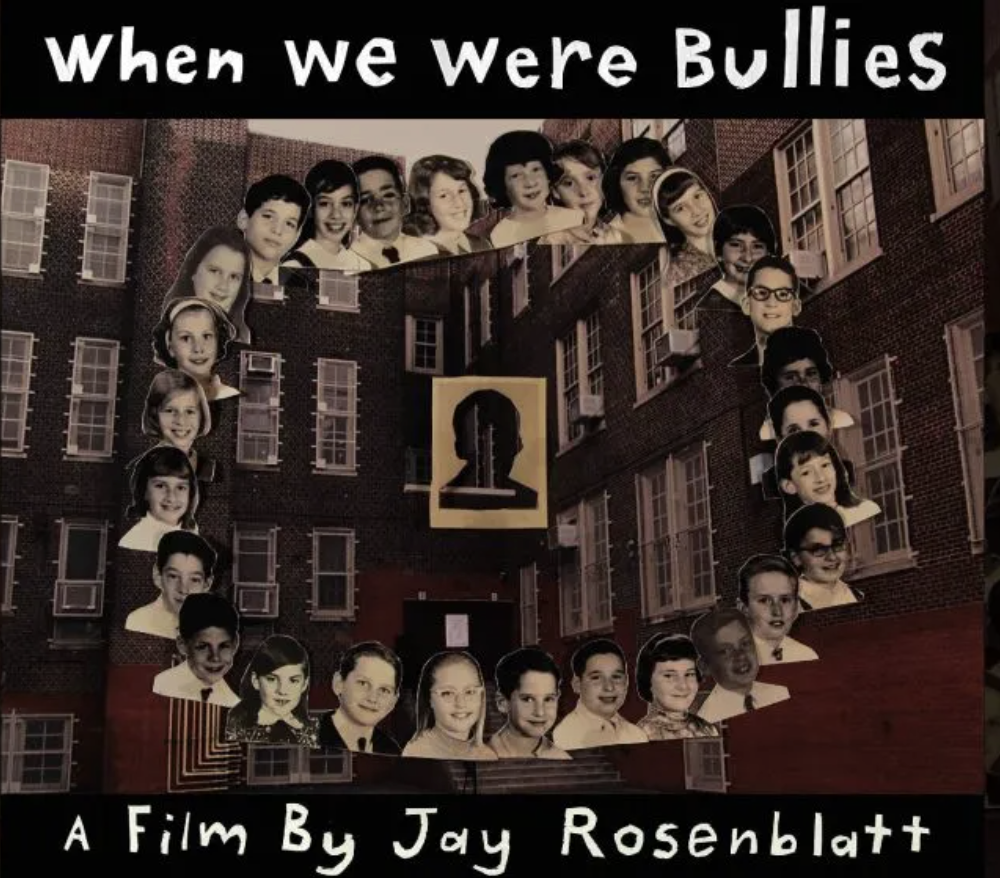
The 2021 Oscar-nominated film When We Were Bullies shows how many people think bullying is “just telling a few jokes,” similar to the excuses Platner gave for his abusive online behavior. But for the people who were bullied, like the wounded Afghanistan war veteran crying on tape for help, whom Platner mocked repeatedly, these jokes and online pile-ons rob us of our humanity and dignity.
In the short HBO Max film When We Were Bullies, classmates from a Brooklyn middle school discuss, 50 years later, the bullying of a classmate in the mid-1960s. Most classmates denied being bullies, but others, including some of the bullies, expressed regret for targeting one kid in particular, “Dick,” who was seen as an oddball.
The filmmakers, who admitted being part of the bullying of the kid “Dick,” use the film to explore why many people deny being involved in the bullying despite testimony from other classmates, including some of the bullies, that they were involved.
“I think a lot of people do have a simplistic view, and what’s clear to me – look, I was bullied. Not so much in school but my neighborhood. There was a guy who’d say ‘sit down next to me on this bench,’ and he’d start punching me in the arm full force,” said director Jay Rosenblatt. “I’ve been on both sides, and a lot of people have, and we switch roles and sometimes because we’ve been bullied we are complicit because we don’t want to be bullied more. It’s very complex.”
Online culture has given rise to a new wave of bullying. Sometimes, in heated political debates, even on the left, people resort to very personal ad-hominem attacks, where people who don’t know each other dehumanize people that they have never met. Platner was very symptomatic of this culture.
In 2012, Teddy Daniels, a US soldier in Afghanistan using a GoPro camera, recorded footage of himself being wounded, pinned down, and crying for help. Daniels then tried to upload an invite-only video link to YouTube to share privately with comrades and friends. However, the video accidentally went public.
Before Daniels could take the video down, a YouTuber found it and re-uploaded it. Daniels requested several times that the YouTube account take the video down, but was ignored. Instead, the video garnered over 23 million views (and thousands of dollars in ad revenue for the YouTuber), with many soldiers mocking Daniels, a recent recruit, for failing to follow proper procedures.
One of the soldiers who mocked Daniels online was Graham Platner, a Marine combat veteran.
"This video never gets old," joked Platner in a 2019 Reddit post. “Dumb motherfucker didn’t deserve to live. At least his stupidity and fat ass wheezing are available for all future infantrymen to witness and hold in contempt. Poor marksmanship on the Taliban’s part is the only reason this mouthbreather made it home, he managed to make every possible shit decision possible when it comes to small unit combat.”
CNN and other stations picked it up, directing even more mockery towards Daniels. The rapper Ice Cube even used the video of him crying in his music video Everythang’s Corrupt to mock US imperialism overseas.
With over 80,000 people commenting on his video, with most of them mocking Daniels, the effect was devastating for Daniels, who was struggling with PTSD from the incident and embarrassment over his actions in combat.
“I don’t know if I held it together, but I tried to,” an embarrassed Daniels told my buddy, Pulitzer Prize-winning reporter Greg Jaffe, in 2013. “I put my ass on the line for other guys. I still functioned even though I was scared to death.” (Jaffe’s 2013 profile of Daniels is a must-read)
Platner’s mockery of Daniels was largely ignored by the left since it was covered primarily on Fox News in a very jingoistic way, but Platner’s comments and Daniels’ reactions speak for themselves. While many on the left excused Platner’s toxic online behavior as a symptom of PTSD, Daniels did not buy it.
“PTSD is a real thing. I’ve dealt with it myself, and I’ve had to learn to live with it. It is not an excuse for dirtbag behavior,” said Daniels. “It’s insulting to every veteran, every first responder, every sexual assault survivor who suffers from PTSD. There are good people out there suffering and getting the help they need and functioning every day in society.”
In the wake of credible allegations that Platner is a rapist, the left has been thrown into disarray. What once seemed like a good pickup opportunity in Maine, vital to winning back the Senate, now seems less likely as the left and the corporate Democrats, who run the Maine Democratic Party, lose organizing momentum as they feud over how to replace Platner.
Many are left wondering how this happened with Platner and how we could prevent it from happening again. We can start by understanding online bullying culture better.
Of course, not many knew that Platner is a rapist, but it was very clear from his online comments that he was a bully. If the left had a firmer stance on bullying, someone like Platner never would have been allowed to be a leader, an argument that many on the left, including myself, made vocally, but were dismissed as applying “purity tests.”
Sadly, many on the left are complicit in the same online bullying culture. Trust me, as someone who’s written about union corruption and sexual misconduct in labor, I’ve dealt with my fair share of this abuse from misguided defenders of union corruption, who viciously dehumanize the few labor reporters on the left that ask tough questions.
A few years ago, at a short film festival in Bozeman, Montana, I had the privilege of watching When We Were Bullies at the Oscars Short Film Festival, and I recommend it to everyone trying to grapple with how to prevent another Graham Platner. The film is only 36 minutes and available on HBO Max.
Watching a film like the 2021 When We Were Bullies could help us understand our complicity in bullying culture and take real steps to change our movement by changing ourselves.
“Really when you think about it, there is no power for a bully without all of the complicity that’s involved,” director Jay Rosenblatt told the Jewish Forward in 2022.
Donate to Help Us Fight Bullies
From Payday Report via This RSS Feed.