

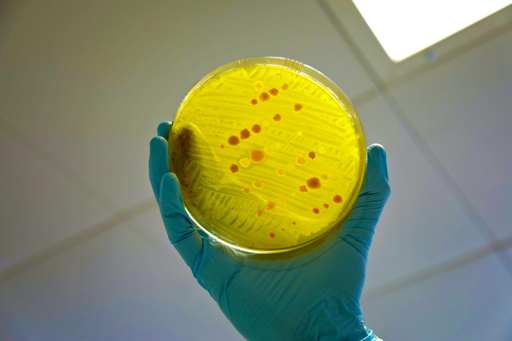
Plastic pollution is among the gravest environmental crises facing humanity. Plastic production since 1950 has exceeded 8,300 million metric tons, with most plastic waste ending up in the environment, affecting wildlife, ecosystem functionality, and human health. Simultaneously, the ability of disease-causing bacteria to withstand one or more antibiotics (known as antimicrobial resistance, or AMR) has surged to become a public health emergency now accounting for around 5 million deaths worldwide annually. “AMR is an existential human threat,” says Tim Walsh, a professor at the University of Oxford and director of biology at the U.K.’s Ineos Oxford Institute of Antimicrobial Research, who spoke to Mongabay via video call. “It will kill more people [each year] than TB, HIV and malaria, and if unchallenged could eclipse cancer as the biggest killer.” Until very recently, these two global crises, plastic pollution and antimicrobial resistance, were considered separately by scientists and policymakers. But a new line of research suggests they’re inextricably linked: Plastic waste is quickly colonized by microorganisms, creating a new type of ecosystem dubbed the “plastisphere.” And bacteria living in the plastisphere are developing greater resistance to antibiotics at an unprecedented rate. A polyethylene plastic “bio-bead,” used to aid the breakdown of sewage in wastewater treatment plants, which has been colonized by fungi and other microbes. Sometimes, these bacteria-laden plastic pellets can escape wastewater treatment facilities and enter the environment. Image courtesy of Emily Stevenson. How microplastics enhance antimicrobial resistance In 2025, researchers at Boston University found that Escherichia coli bacteria exposed…This article was originally published on Mongabay
From Conservation news via This RSS Feed.