

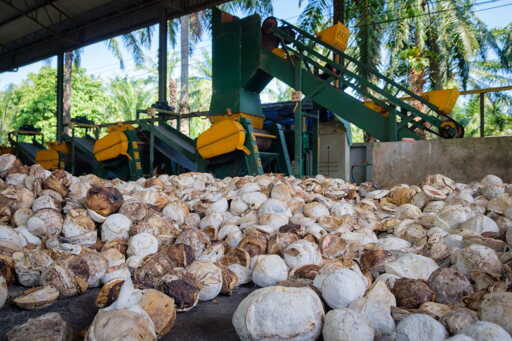
Thailand’s natural rubber industry is racing to comply with a new EU anti-deforestation law that will take effect in 2027, reports Mongabay’s Carolyn Cowan. Thailand is the world’s largest producer of natural rubber and relies on approximately 1.7 million small-scale farmers for 90% of its supply. The country exports much of its rubber to China and Malaysia, but the value of its exports to the EU increased by about 65% from 2019 to 2024, according to the World Integrated Trade Solution database. To comply with the EU Deforestation Regulation (EUDR) and maintain access to European markets, from January 2027, rubber suppliers must provide geolocation data and legal documentation proving their products did not originate from land deforested after Dec. 31, 2020. Complying with the regulation requires a massive shift for Thailand’s historically fragmented supply chain, where rubber from various sources is often mixed without requesting records of its origin. Millions of smallholder farmers supply middlemen, who combine rubber from different batches and sell it to processing factories that produce the final goods for the EU market. This supply chain will need a complete overhaul, which will be a “revolution”, said Stefano Savi, director of the Global Platform for Sustainable Natural Rubber. “Five years ago, supply chain traceability in natural rubber was considered impossible due to the fragmented nature of the industry,” Savi said. To bridge the compliance gap, private intermediary firms are stepping in with tech-based solutions. One such firm, Agriac, uses its Traztru platform to georeference farm plots and…This article was originally published on Mongabay
From Conservation news via This RSS Feed.