

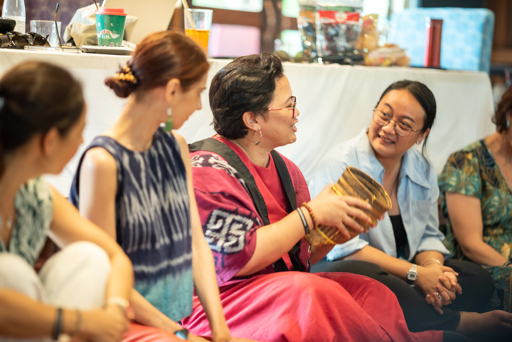
When Jessa Cabaay began working in marine conservation in the Philippines, she frequently found she was the only woman in the room. Her isolation meant she often felt anxious while presenting at stakeholder meetings, sensing her audience questioned her credibility. “Most of the fishing communities I was working with were older and male,” Cabaay says, describing her experience of discussions on planning out marine protected areas (MPAs). “They didn’t listen the first few times I tried to talk to them.” Cabaay says she observed that her male colleagues were rarely under the same pressure to prove their competence. Now the technical manager of Community Centered Conservation (C3), a Philippine-based nonprofit, she says the fishers’ skepticism likely reflected cultural beliefs held in many Philippine coastal communities that place women in domestic roles rather than professional ones. “There are expectations that as a woman, you follow; you cannot lead,” she says. Lacking female colleagues to turn to for support and advice, Cabaay persevered largely alone through her early-career struggles. Now, however, she finds strength and encouragement through a peer-support network that links female conservation professionals across Southeast Asia. Connecting with other women facing similar challenges has been a game changer, she says: “I realized I’m not struggling alone. We all feel the same.” The initiative, the Network of Women (NOW), is led by the Asian Species Action Partnership (ASAP), a Singapore-based interagency coalition that focuses on critically endangered species of land and freshwater vertebrates. Launched in 2021, the program combines in-person leadership…This article was originally published on Mongabay
From Conservation news via This RSS Feed.