

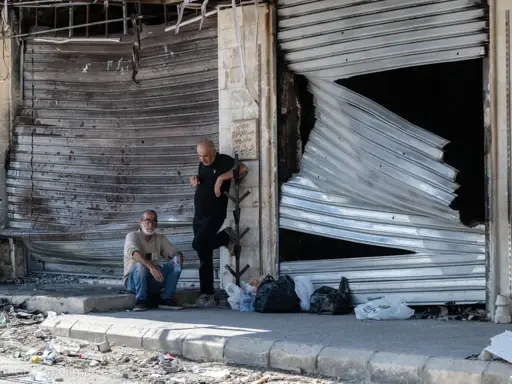
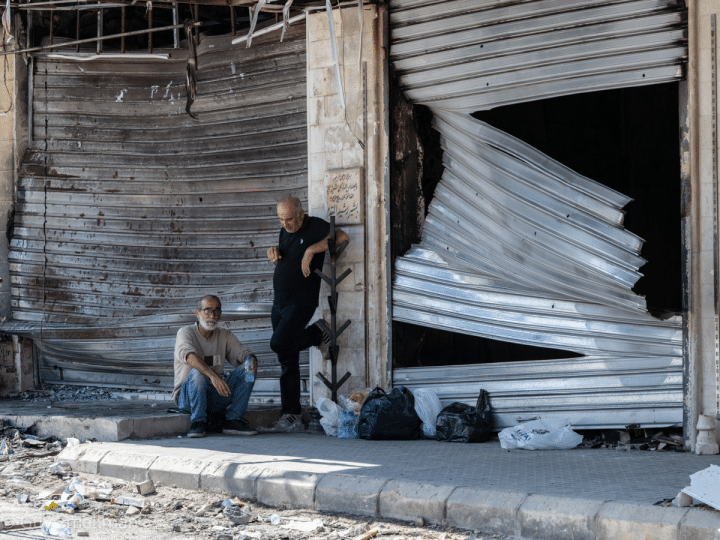
Lebanon — On Friday (June 26th,) as the Shia festival of Ashura concluded, protestors took to the streets of South Beirut to vent their anger as news spread of the ‘framework agreement’ between the Lebanese government and Israel. Youth on foot, and riding scooters, blocked the main road to the airport with burning barricades. It took the army several hours to regain control of the area.
On paper the deal looks weak, to say the least. Just four out of sixteen parties represented in the Lebanese Parliament are in favour of the agreement. All of them are right-wing and Christian. On the streets the deal looks like a recipe for disaster for its architects.
The following Monday, as more details of the deal became known, I was being taken around a neighbourhood in Dahieh by a friend. The area is staunchly Hezbollah and the locals were not lost for words on the betrayal by the government. Market stall holder Hassan Hussain told us:
What kind of president can sign a deal when there are still bodies under the rubble and the battles are still ongoing. How can he even talk to the enemy when our land is occupied and so many people are displaced?
The next man we approached for comment insisted on directing us to his very articulate thirteen year old daughter. Mariam Mahmood said:
The agreement is not logical and against the opinion of the majority of Lebanese society. We are hurt and surprised by this ambush. Israel is an enemy we decline any sort of interaction with. This is illegal and against our constitution. The enemy has ruined our lands as they have also ruined the land of Palestine. This agreement to give up the land is a humiliation for us. It insults our resistance fighters. They (the government) just surrendered and that’s a big shame on them.
Lebanon — An unworkable betrayal
Many here are questioning how this agreement can ever realistically be implemented on the ground in Southern Lebanon. The fighters holding the line against the Israelis reject it, as do the local people. The Lebanese army are unlikely to intervene on behalf of the government to disarm the resistance, and the speaker of the parliament has just said that the agreement will not be implemented as it threatens serious internal division in a country that was ravaged by civil war for a decade and a half.
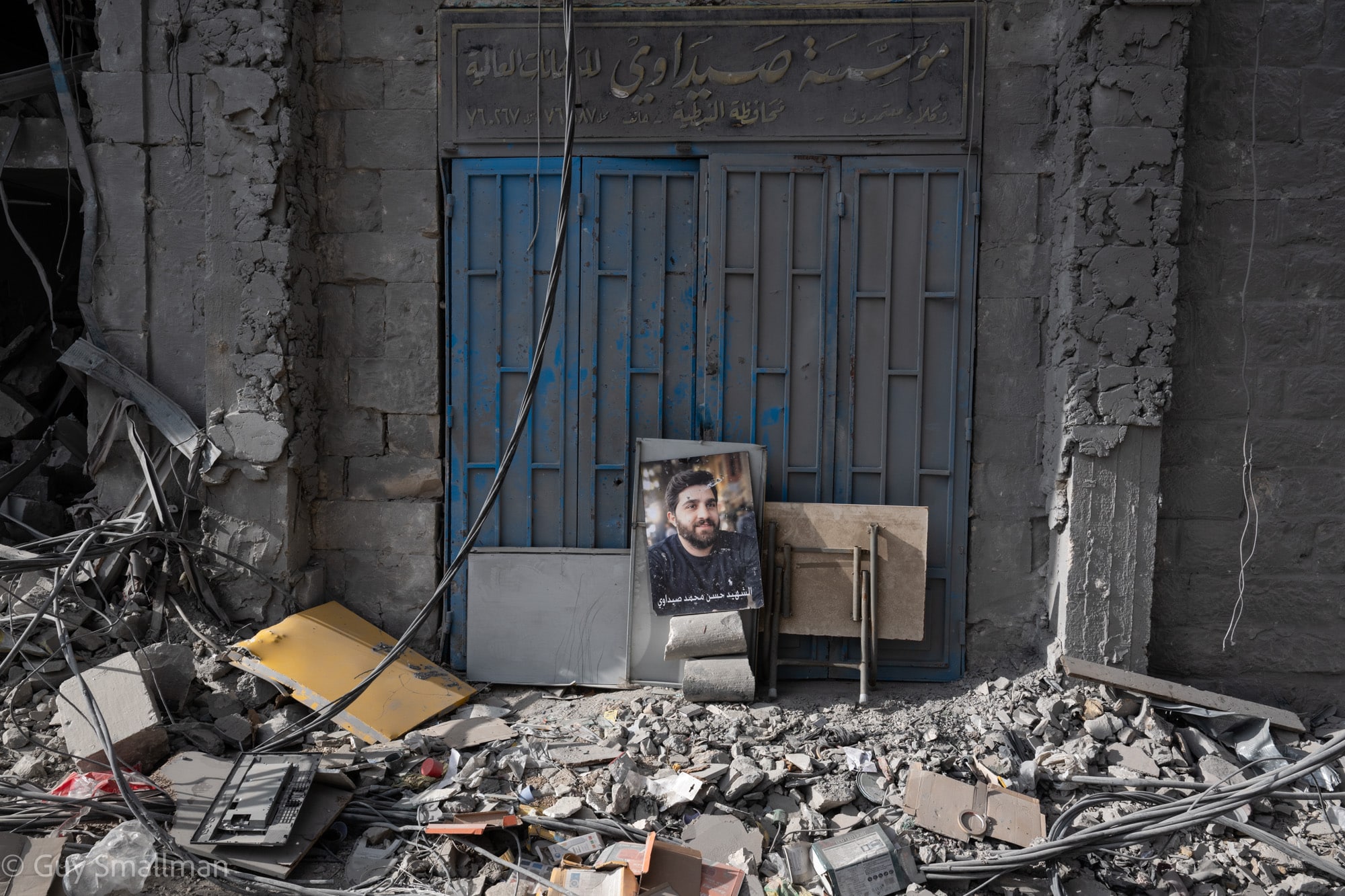
Even if the agreement was implemented, no one trusts the Israelis to withdraw from occupied territory if their demands are met — leaving displaced southerners in limbo.
Zainab Daid — who managed a nearby women’s clothing store — was originally from Al-Taybeh, a village inside the ‘yellow line’ of occupation. She gave her verdict:
This deal was a shock but we are people who know very well how to handle these kinds of surprises. These papers and all these talks mean nothing to us. We only recognise the reality on the ground. The achievements of our fighters and God willing the battleground will prove this. Not documents or handshakes that don’t represent us. My village and our homes that we built are ours and no one can make us give it up or force us to leave.
Beirut is very much a melting pot containing all the different strands of Lebanon’s diverse culture, politics and religions. For balance, I wanted to try and speak to people who supported the deal and to try and get them to explain why they thought it was a good initiative for the country.
US allies no more
The neighbourhood of Basta Al-Tahta is predominantly populated by members of Lebanon’s Sunni Muslim population. Since the 2000s, they have mostly supported political parties like the pro-USA/Saudi Future Movement and been highly critical of Hezbollah and armed resistance. However, the people I spoke to were very far from impressed with the recent behaviour of the government and their own political representative Prime Minister Nawaf Salam. In a local money exchange, a middle aged shop keeper Fahed Ali Mroueh said:
Any agreement that lacks harmony between all the different elements, or excludes some of them, can never work. How can they reach any agreement while Israelis are still destroying and killing in the south? Just yesterday more Lebanese people were martyred. Some people are still sleeping on the streets. Some people who went back to the villages found no security and only rubble. Some are even banned from returning. This agreement is stillborn; it is already dead. I demand the Lebanese government withdraw from this shameful act.
His companion Youssef Mohamad Said added:
There is no possibility that this will work. There is no consensus inside Lebanon for this. No agreement can work if it is only for the benefit of exterior forces.
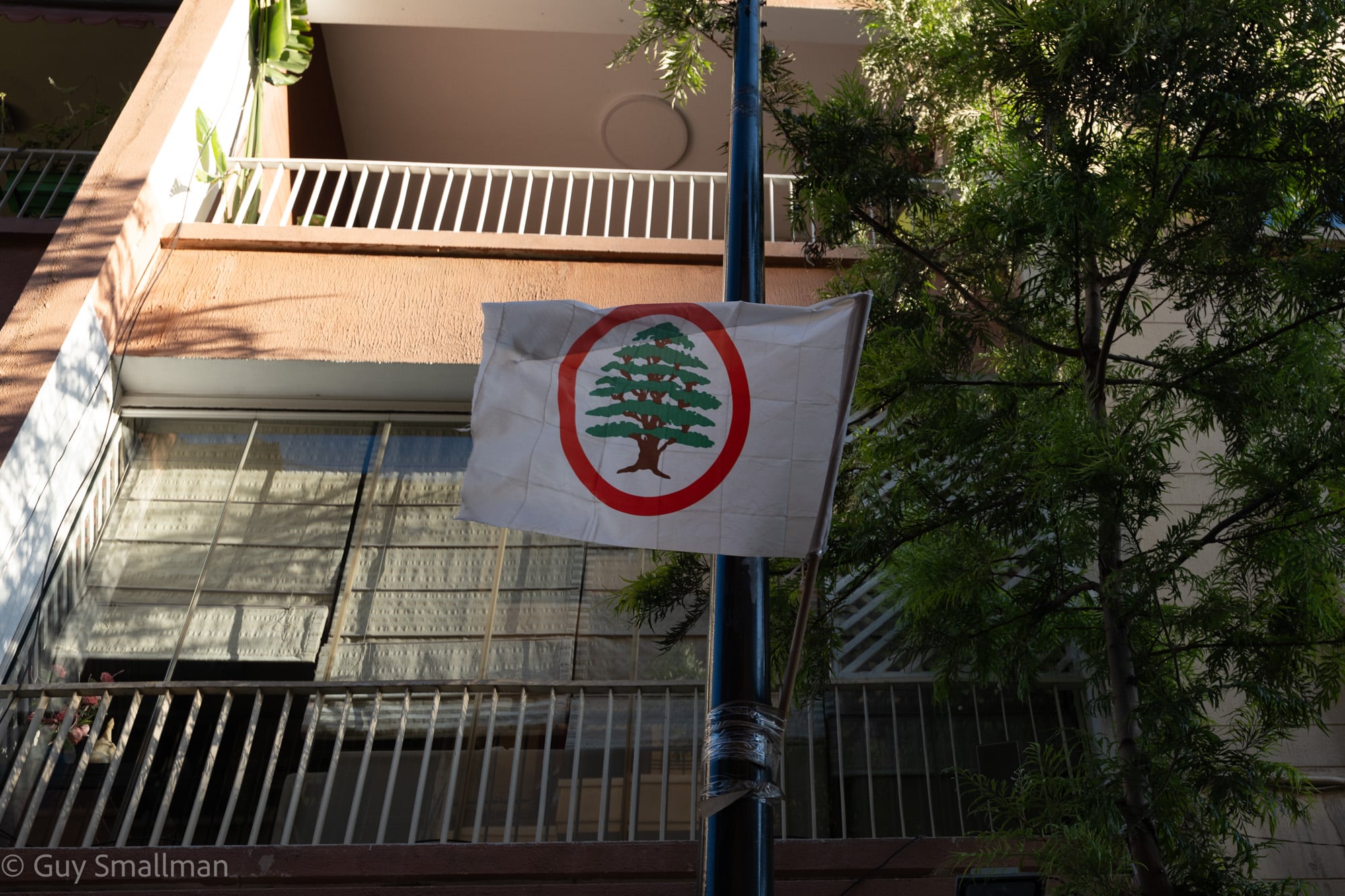
Heading for the Christian neighbourhood of Gemmayzeh, I felt more confident that I would find someone who could argue the benefits of this accord. This is Beirut’s hipster district and heavily dependent on tourism which has all but disappeared since the war started. The residential areas behind its trendy main street are strongholds of the reactionary — Trump-worshipping — Lebanese Forces party who — like their British contemporaries — have an enormous fetish for decorating their local lampposts with flags.
The silence of the flag shaggers
But no one here seemed willing to speak. One lady running a local shop — which sported a huge flag — told me that she didn’t really know much about politics, but supported the deal because she trusted her local MP. Hardly a ringing endorsement.
A taxi driver said he was in favour of it, but directed us to a Twitter account when we asked why. Some Christians around here are vehemently opposed to the agreement fearing a return to violent sectarian tension. After expressing his complete opposition to Hezbollah — in considerable detail — retired civil servant Farid Boustani said:
I would never make a deal like this with the Israelis. Their government has a bitter, vindictive and unpredictable mentality. For as long as it is in power there will never be peace in the Middle East. We know this from the history of Lebanon. For as long as there is no Palestinian state, we cannot feel safe. I am against the division and segregation in this country. We are at risk of civil war for which the greatest benefactors would be the Israelis. I am not a member of any political party, but I am a very patriotic person who wants to see a united Lebanon.
As a last-ditch attempt to get someone on the record who supported the deal, I visited the offices of the Lebanese National Bloc nearby. Their young members, educated in American universities, spoke perfect English and wore expensive clothes. They wouldn’t express any opinions to me, personal or otherwise, but said that someone would call me within thirty minutes. Ten minutes later I got a WhatsApp message saying no one was available, instead they attached a press release giving their reasons for endorsing the deal.
A disaster for all in Lebanon
It seems that even the most pro-western elements of the Lebanese political landscape are deeply uncomfortable with this humiliation. Because despite it being an attack on Hezbollah and the broader resistance axis; it is also an agreement that makes Lebanon so subordinate to Israel that it even bans the Lebanese from taking legal action for breaches of international law. Past, present and future. Which is ultimately an affront to their nationalism.
If nothing else, President Aoun has succeeded in one thing. Uniting all of Lebanon’s people in their disgust at this utterly dishonest surrender to a genocidal foreign state.
Featured image via Guy Smallman
By Guy Smallman
From Canary via This RSS Feed.