

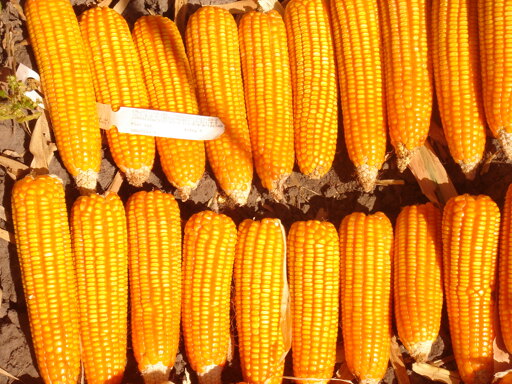
LUSAKA, Zambia — The escalating conflict involving the US, Israel and Iran, has prompted warnings that disruptions to the supply of fuel and fertilizer shipped through the Strait of Hormuz could cause food insecurity in some African countries. While experts say it will take time for the effects of the conflict to be felt in Zambia, they also point to vulnerabilities in the country’s food system and suggest greater resilience to possible stresses. Zambia’s food security is generally understood to rest on a single crop: maize. Zambia Statistics Agency reports that the price of a 25-kilogram bag of breakfast mealie meal declined slightly from April to May. In fact, the price of mealie meal is 15% lower than it was this time last year. The FAO’s April 2026 country briefing for Zambia said good rains since last October point to a second consecutive year of above-average harvests of maize. The rains are also expected to support a rebound of wheat harvest, as full reservoirs mean a steady supply of hydroelectric power that will allow the crop’s growers (primarily large-scale, industrial farmers) to irrigate their fields. The briefing reported that reference prices for maize were 25% lower year-on-year in March, thanks to plentiful domestic supply and a strengthening of the currency. Maize meal prices also declined by 15%, according to the Zambia Statistics Agency. Drawing on the IPC classification, the FAO said the number of Zambians facing “crisis” levels of acute food insecurity in the six months to March 2026 was…This article was originally published on Mongabay
From Conservation news via This RSS Feed.