

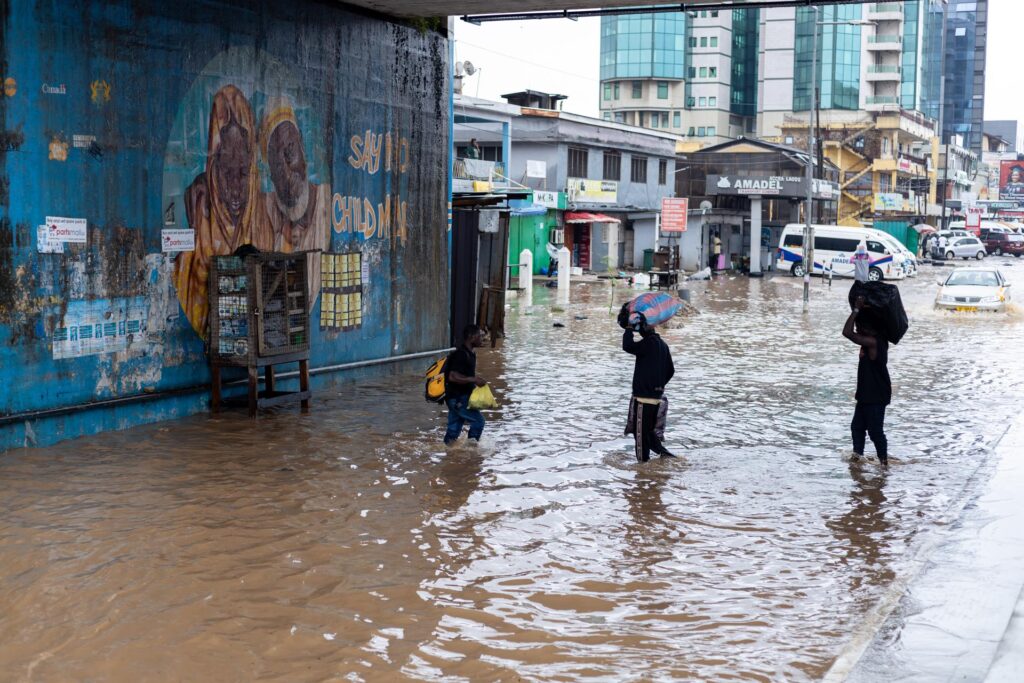
Intense torrential rains in West Africa have caused more than 70 fatalities in Ivory Coast and Ghana, primarily affecting the capitals Abidjan and Accra at the onset of the winter season.
Intense torrential rains recorded over the past few days in West Africa have resulted in the deaths of 59 people in Ivory Coast and 12 fatalities in Ghana.
The catastrophic flooding has primarily impacted the capital cities of Abidjan and Accra, marking a grim start to the region’s winter season. Emergency and rescue teams are currently executing evacuation operations in neighborhoods inundated by the severe precipitation.
RELATED: Peru Prepares for Climate Impact, Declares Emergency for 796 Districts
The Minister of Communication and Spokesperson for the Ivorian Government, Amadou Coulibaly, confirmed 59 deaths following a Council of Ministers meeting at the Presidential Palace in Abidjan.
The commune of Attécoubé, located on the outskirts of the country’s main city, registered the most significant impact, accounting for approximately 20 fatalities. This area experienced the brunt of the downpour, leading to widespread destruction and tragic loss of life, compelling immediate and sustained governmental response.
Ver esta publicación en Instagram
Una publicación compartida de The Peoples Insight (@d_peoplesinsight)
The governmental spokesperson extended official condolences to the families of the missing and injured, simultaneously urging the civilian population to adhere strictly to the existing security measures.
The Ivorian administration has ordered the evacuation of zones identified as high-risk and temporarily prohibited residents from returning to the affected sectors. This decisive action aims to mitigate the threat of new incidents and structural collapses, prioritizing the safety and well-being of its citizens amidst the ongoing crisis.
At least 59 people have died in Ivory Coast due to heavy rains and flooding. In Ghana, torrential storms have killed at least 12 people, with officials warning climate change will worsen impacts.
Al Jazeera’s Camille Nedelec reports. pic.twitter.com/x6mOF21ugr
— Al Jazeera English (@AJEnglish) July 2, 2026
In Ghana, authorities confirmed the deaths of 12 people due to the floods that submerged the nation’s capital, Accra, between this Sunday and Monday. The violent rainfall struck the Odawna area, situated in the southwestern part of Accra, with particular force. This specific zone, characterized by its low-lying topography and proximity to river courses, is especially vulnerable to flooding, exacerbating the humanitarian impact of the natural disaster.
Rescue Operations Underway
The Ghana National Fire Service, through the national broadcaster Joy FM, reported the rescue of approximately 500 people in the capital. Emergency units are maintaining operational deployments with excavation teams in landslide-prone areas, due to the latent danger that the victim count could rise as citizens remain trapped.
The phenomenon of rural migration towards the Ghanaian capital significantly aggravates the structural risks, primarily due to the unchecked construction of informal settlements in low-lying areas and near river courses. This unplanned urbanization creates densely populated zones highly susceptible to flooding and its devastating consequences, posing a persistent challenge for urban planners and disaster management agencies. The lack of adequate infrastructure and drainage systems further compounds these vulnerabilities.
Record rainfall in Ghana has caused widespread damage in Accra, with rivers of trash seen flowing through the capital. There’s growing anger with calls for government action. pic.twitter.com/4tXR46mFuc
— Al Jazeera English (@AJEnglish) July 1, 2026
Emergency Response
Climatic antecedents in the region during the rainy season historically increase the danger of outbreaks of infectious, stomach and respiratory diseases, as well as rodent infestations associated with flooding. Public health officials are on high alert, preparing for potential epidemics and deploying resources to ensure sanitary conditions in affected areas. This health dimension adds another layer of complexity to the humanitarian crisis, demanding a holistic and coordinated response.
The President of Ghana, John Dramani Mahama, issued a public statement during the National Day of Prayer and Thanksgiving, celebrated in the State Capitol courtyard in Accra. The President urged citizen unity above political, ethnic or religious differences to confront the destruction of property and the loss of human lives generated by the climatic catastrophe.
From teleSUR English via This RSS Feed.