

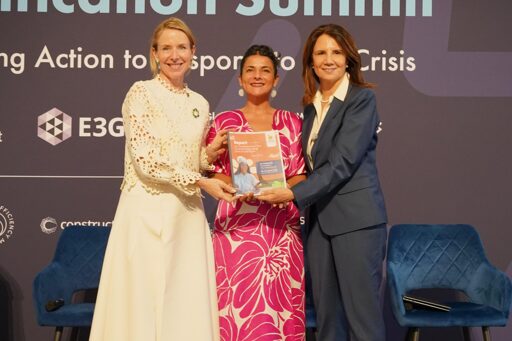
London Climate Action Week (LCAW) kicked off in June amid an unprecedented European heat wave and with a special statement by United Nations Secretary-General António Guterres warning, “We have just lived through the eleven hottest years ever recorded … with higher temperatures to come. London isn’t just calling — it’s cooking,” he said. “We cannot double down on a system based on fossil fuels that is driving both the climate crisis and the energy crisis … These twin crises have once again exposed the limits of an outdated model of development,” the U.N. chief said. “This is our moment of choice. Our moment of truth. Our moment of opportunity. Let’s seize it.” Just such an opportunity came later at LCAW with the launch of the outcome report derived from the First Conference on Transitioning Away from Fossil Fuels, which was held in April in Santa Marta, Colombia. That landmark summit was co-hosted by Colombia and the Netherlands and convened 57 countries, a “Coalition of the Willing” accounting for roughly 30% of global energy demand and about 20% of global energy supply — a group committed to a rapid fossil fuel phaseout. The meeting was called to serve as a viable complement to the formal U.N. climate consensus negotiating process, which has been blocked from climate action for decades by large petrostates and lobbied against by the fossil fuel industry. The new report released June 23 presents a summary of Coalition of the Willing stakeholder-led dialogues and includes strategies for a…This article was originally published on Mongabay
From Conservation news via This RSS Feed.