

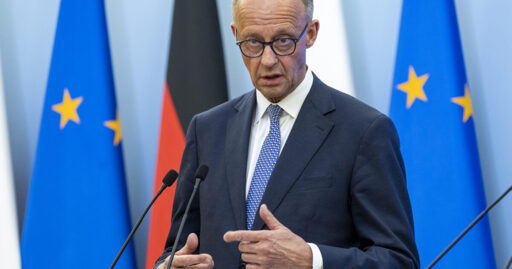
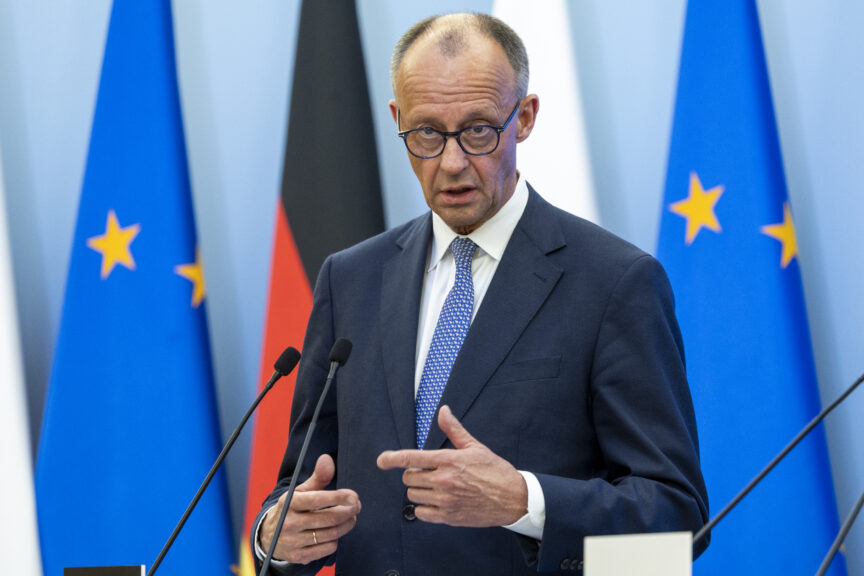
German chancellor Friedrich Merz announced sweeping tax, pension and labour reforms today, including that workers will now be required to get a medical certificate saying they’re too unwell to work from the first day of sick leave.
Workers in Germany used to be able to take up to three sick days without seeing a doctor and could call a doctor for a one-week sick leave letter without an in-person appointment.
Under the new reforms, both options are now banned.
In a speech, Merz flagged “exorbitant levels of sick leave in companies following the pandemic” and said: “We are abolishing sick leave certificates over the phone and introducing the requirement to submit a certificate of incapacity for work from the first day of illness.
“We know this is a tough decision but we can no longer afford this competitive disadvantage caused by long absences from work.”
Agreed by Germany’s ruling coalition, the reforms are aimed at reviving the country’s economy and tempting voters away from the far-right Alternative for Germany (AfD), which has topped national opinion polls for months.
Merz has long complained that rates of sick leave are too high in Germany and negatively impact productivity.
An OECD data comparison of 26 European countries shows that Germany ranks seventh for the most sick leave taken by employees, with an average of 3.6 weeks per year.
The reform package also includes income tax cuts worth 10bn euros (£8.5bn), to be paid for by higher taxes on top earners, and changes to the pension system that will eventually see the retirement age rise to 67.
Germany’s export-led industry has been negatively impacted in recent years by rising energy costs, competition from China and US president Donald Trump’s unpredictable tariff regime.
From Novara Media via This RSS Feed.