

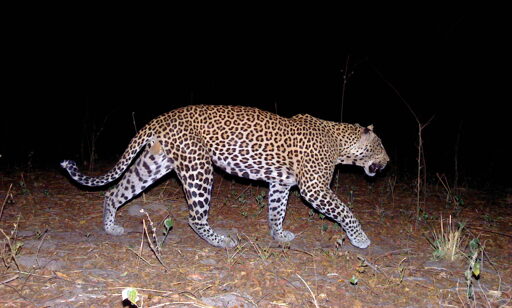
It’s been difficult to monitor West African leopards in Benin’s Pendjari National Park: It’s a large wilderness area, situated within a hotspot of armed conflict. The park is among the last strongholds for this geographically distinct leopard population — but a recent study shared hopeful news. Leopard density in the park increased over a six-year period, according to a study published in the journal Global Ecology and Conservation. The park has been managed by the nonprofit African Parks since 2017 in partnership with the government — and this conservation effort seems to be working. “It’s a win,” said study lead author Marine Drouilly, a biologist with Panthera, the global wild cat conservation non-profit. West African leopards are geographically separated from other African leopard (Panthera pardus pardus) populations. In 2025, they were listed as regionally endangered on the IUCN Red List, after suffering a 50% decline over the past two decades. Numbers are estimated at just 354 across West Africa. In addition to Pendjari, important strongholds include the Niokolo-Koba–Badiar landscape in Senegal and the Guinea, Taï and Comoé National Parks in Côte d’Ivoire and Mole National Park in Ghana. A rapidly growing human population across West Africa means wildlife habitat is disappearing and becoming more fragmented, isolating already small leopard populations, Drouilly said, while widespread bushmeat hunting leaves leopards without enough prey. There’s a growing threat from poachers continent-wide, as leopards are targeted for their spotted skins, canine teeth, bones and other body parts, killed to supply the illegal wildlife trade…This article was originally published on Mongabay
From Conservation news via This RSS Feed.