


By Jhay de Jesus, WBW Asia Organizer, July 1, 2026
The No Nukes Asia Forum (NNAF) 2026 was held in the Philippines from June 17-21, 2026 — the 33rd year of convening anti-nuke activists from Asia and some Pacific countries.
This year’s convening also coincided with the 41st Anniversary of the Welgang Bayan laban sa Plantang Nukleyar (People’s Strike Against the Bataan Nuclear Power Plant) that happened in June 1985 attended by more than 30,000 residents from all over the province. With the theme: “END NUCLEAR NOW: From the Wisdom of the Past towards the Safety of the Future,” NNAF 2026 focused on highlighting some wins of the anti-nuke struggle and continuously pushed for alternatives. This year’s forum was organized by the Nuclear-Free Bataan Movement (NFBM) with help from other organizations and veterans of anti-nuke advocacy.

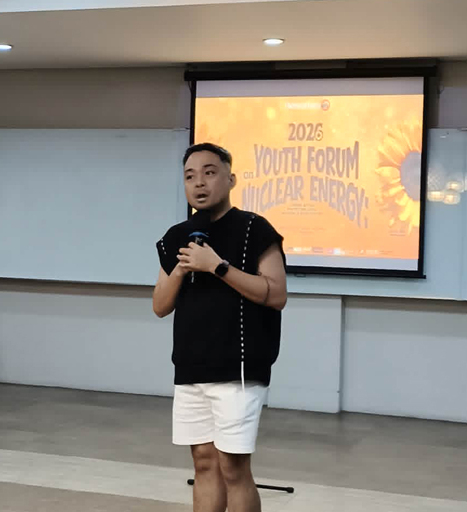
The four-day gathering started with a youth forum that talked about how youth can contribute more on advocacy and how they can work together in linking up common strategies. Day 2 was the international forum that provided a platform for updates and discussions on alternatives. The speakers focused on critiques against proposals for small modular reactors (SMR), nuclear weapons, and public financing of nuclear energy. The forum celebrated that Taiwan officially became a “nuclear-free homeland” on May 17, 2025, when the last operating nuclear reactor (Unit 2 of the Maanshan Nuclear Power Plant/NPP3) ceased operation following the expiration of its license. Speakers also engaged with the audience in deepening the exchange on renewable energy and how to further amplify the campaign against nukes and for alternatives.
Days 3 and 4 were held in Bataan province where the infamous Bataan Nuclear Power Plant, which was a “legacy” of then dictator Ferdinand Marcos Sr., was built. Several discussions with different communities were held, a meeting with veterans of the People’s Strike Against the BNPP, a media forum, and mobilizations. This included a protest in front of the BNPP to commemorate the 41st Anniversary of the People’s Strike. It also served as a continuing vow to oppose nuclear energy and push for a more sustainable source of energy. A day after NNAF officially ended, the town of Morong, where the mothballed BNPP is hosted, passed the no-nuclear zone ordinance. This ordinance prohibits building, operation, transportation, and storage of facilities and materials that have to do with nuclear power. This ordinance is warmly welcomed by NNAF organizers and networks, and supported by many residents of the town, even at the provincial level.

As World BEYOND War, we took part in helping organize some events like the pre-NNAF learning session conducted in May 2026, and the international forum. We also participated in the advocacy area during Day 2 to promote our peace advocacy by giving out postcards and inviting people to sign our Declaration for Peace. We believe that the call to end nuclear energy also connects to peace and security. We know the dangers of nuclear energy to the communities not to mention its high costs, but also, we know how it can be used as weapons in times of war. This would not only put communities at risk with its toxic wastes but also endangers the lives of many people even outside the immediate periphery.
We join other organizations in calling to oppose nuclear energy, stop building nuclear plants, and to put an end to risking people’s lives and their communities. Additionally, we urge governments to reject the use of nuclear weapons and sign on to the UN Treaty on the Prohibition of Nuclear Weapons (TPNW). As we talk about alternatives to energy sources, we must also start talking about alternatives in resolving conflicts.

The post World BEYOND War Joined the No Nukes Asia Forum 2026 appeared first on World BEYOND War.
From World BEYOND War via This RSS Feed.