

Farm owner signs legal agreement to compensate victims and end labor exploitation as authorities continue their investigation
On Wednesday, Brazil’s Labor Ministry said six Indigenous Guarani men were rescued a day earlier from conditions analogous to slavery at a rural property in Glorinha, in the southern Brazilian state of Rio Grande do Sul.
RELATED:
Indigenous Guarani People Celebrate The Official Demarcation Of Their Territory In São Paulo
The victims are all men between the ages of 20 and 30. One is an Argentine national, two are from the neighboring state of Santa Catarina and the remaining three are from Rio Grande do Sul.
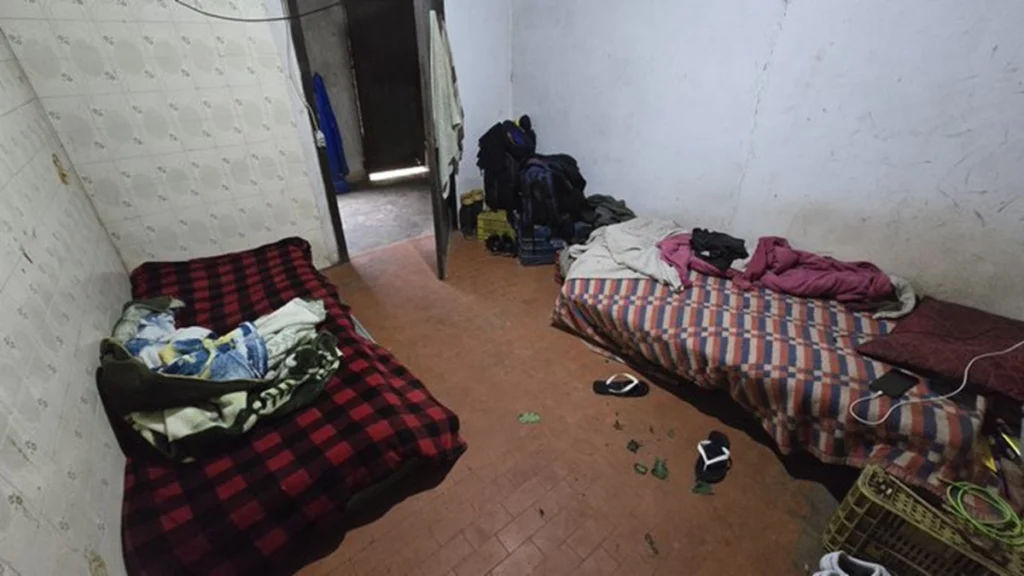
The Guarani workers were employed on a vegetable farm without contracts or labor protections and were housed in a wooden shack lacking habitable conditions and adequate sanitation facilities.
The employer did not provide them with blankets to protect them from the cold or enough tools for all of the workers. In addition, two of those rescued spoke only Guarani and had difficulty understanding Portuguese.
Trabalho escravo em fazenda no Pará resulta em condenação da Volkswagen
Ex-trabalhadores do empreendimento relataram dívidas, isolamento e restrição de saída durante a ditadura militar.
Confira a reportagem completa com @mileportella
https://t.co/T3rsOEtksD pic.twitter.com/4wrmhAEqQg
— RT Brasil (@rtnoticias_br) June 12, 2026

The text reads, “Slave labor on a farm in Pará results in Volkswagen being convicted. Former workers at the farm reported debt, isolation, and restrictions on leaving during the military dictatorship.”
Federal police caught the farm owner in the act and arrested him. To avoid an immediate trial, the employer signed a “Conduct Adjustment Terms” (TAC), under which he agreed to end labor exploitation at the property, pay the workers the compensation they were owed, provide each victim with damages for moral harm and cover the cost of transportation for the workers to return to their places of origin.
The TAC is a legal agreement in which an individual or company acknowledges wrongdoing and agrees to correct the problem and pay damages within a specified period, while the government regulatory agency agrees to monitor compliance with the terms and refrain from initiating legal action against the responsible party.
The Labor Ministry scheduled a hearing for July to monitor compliance with the payments and continue the civil investigation into the case. In 2025, Brazilian authorities rescued nearly 3,000 workers from slave-like conditions across the country, a 27% increase compared with 2024.
teleSUR/ JF
Source: EFE
From teleSUR English via This RSS Feed.