

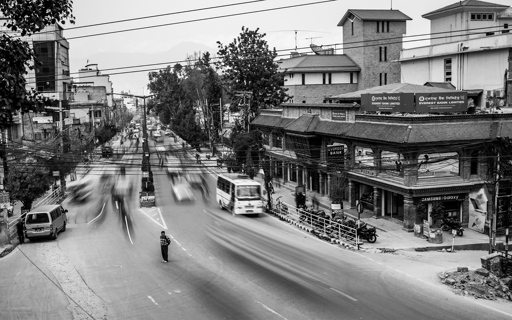
KATHMANDU — When Balendra Shah took office as Nepal’s new prime minister in March following a landslide victory for his party, he inherited a fuel crisis triggered by the U.S.-Israeli war on Iran. His government faced a choice between speeding up the clean energy transition or shoring up the public finances needed to sustain it. In its May 29 fiscal policy, it chose the latter. Nepal imports fossil fuels at a cost of 300 billion rupees ($2 billion) a year, including cooking gas that it subsidizes about 9 billion rupees ($59.5 million) annually. On the “clean” side of that equation, nearly all its grid electricity comes from hydropower — so much so that it exports the surplus to India and Bangladesh during the wet season. And on sales of electric vehicles, Nepal ranks second globally, with EVs estimated to account for 73% of new car sales in 2025, thanks to lower import taxes compared to internal combustion engine (ICE) vehicles. But the new government argues for a shift to raise revenue to fund grid upgrades that would make a clean energy transition possible in the first place. A former bureaucrat and a sitting official both told Mongabay that this logic is backward: that the tax revenue raised will be less than the savings in gas subsidies if it instead encouraged households to switch to electric stoves. In his maiden budget speech, Finance Minister Swarnim Wagle announced a 5% value-added tax on high-consuming electricity users, and fresh new taxes on EV…This article was originally published on Mongabay
From Conservation news via This RSS Feed.