

Havana says U.S. pressure influenced Guatemala’s decision not to renew the bilateral health cooperation agreement.
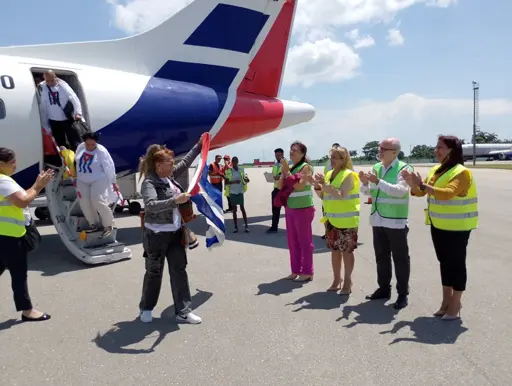
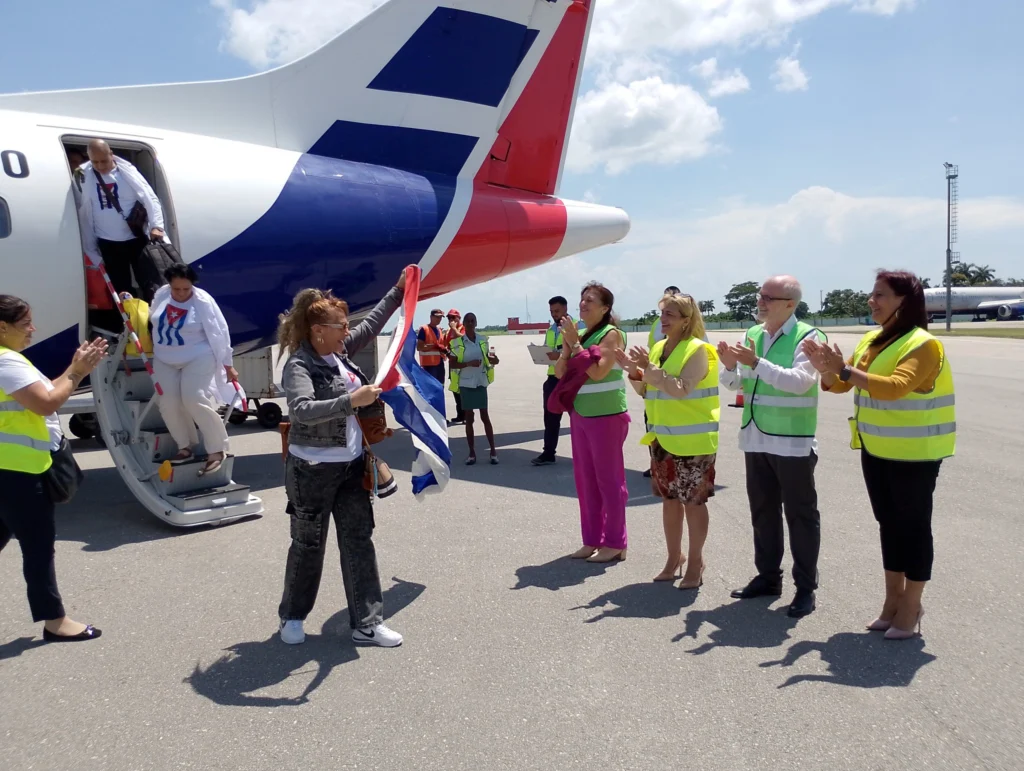
Cuba welcomed home the first members of its medical brigade returning from Guatemala after the Central American government declined to renew the bilateral health cooperation agreement, ending a mission that had operated in the country since 1998.
RELATED: Second Group of Cuban Rescuers Arrives in Venezuela After Deadly Earthquakes
The withdrawal involves 412 Cuban healthcare professionals. Although Guatemalan authorities allowed the agreement to expire without renewal, Cuban authorities maintain that the decision was made under pressure from the United States.
Receiving the contingent at José Martí International Airport, First Deputy Minister of Public Health Tania Cruz Hernández said the “unilateral decision of the Government of Guatemala” would affect healthcare access for thousands of people.
According to official Cuban figures, more than 11,327 Cuban health professionals served in Guatemala between November 1998 and the conclusion of the mission. During that period, they carried out more than 62 million medical consultations, performed 625,000 surgeries, assisted 274,000 births, and contributed to saving more than 378,000 lives.
In a post on X, Cruz Hernández wrote: “We welcomed the first members of the Medical Brigade that had been working in Guatemala at José Martí International Airport. They return today with the satisfaction of duty fulfilled and the gratitude of our Guatemalan brothers and sisters. We embrace and congratulate them!”
La viceministra primera de Salud lamentó que la decisión unilateral del Gobierno
prive a los más vulnerables de su derecho a la salud, y recordó el impacto de 27 años de cooperación: más de 11 mil profesionales cubanos con una huella tangible en su sistema sanitario. pic.twitter.com/bSYps4cnVH
— Ministerio de Salud Pública de Cuba (@MINSAPCuba) June 30, 2026

Over the past year, around 10 Caribbean and Central American countries have reduced or ended medical cooperation agreements with Cuba amid continued pressure from Washington, which characterizes the programs as “forced labor.” According to Cuban authorities, the recent withdrawals in Jamaica, Honduras, and now Guatemala reflect an expanding campaign that has affected Cuba’s international medical cooperation.
For more than six decades, Cuba’s medical brigades have deployed approximately 600,000 healthcare professionals to 165 countries. Cuban authorities say the end of the mission in Guatemala marks another episode in regional geopolitical tensions with direct consequences for public health systems that depend on international medical cooperation to provide care in remote areas and sustain preventive healthcare programs.
From teleSUR English via This RSS Feed.