

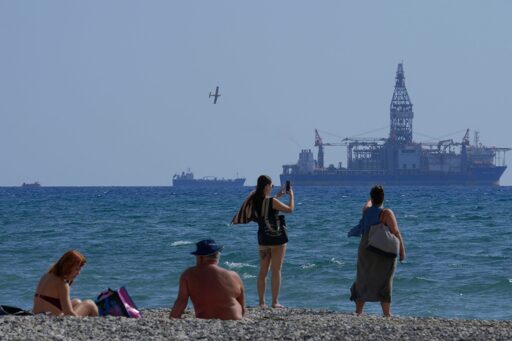
NICOSIA, Cyprus (AP) — Natural gas could start flowing by 2033 out of two undersea deposits discovered by ExxonMobil off Cyprus, a senior executive with the company said Tuesday, helping to turn the east Mediterranean island nation into a new European energy hub. The largest U.S. oil company and its consortium partner, QatarEnergy, consider the most likely option for getting the gas to market would be conveying it through a pipeline to existing processing facilities in Egypt where it can be liquefied for export, ExxonMobil’s Vice President of Global Exploration John Ardill said. Other options including building onshore facilities in Cyprus or a floating one in waters over the deposits are considered too costly at this point. “Everything you’ve seen between the government of Cyprus and the government of Egypt gives us a lot of confidence that there’s good government to government coordination, the agreements in place to leverage that eastern Mediterranean energy hub concept,” Ardill said. He was speaking after ExxonMobil and QatarEnergy signed a deal with Cyprus declaring the two deposits commercially viable. The deposits — dubbed Glaucus and Pegasus — are located in Block 10 of Cyprus’ exclusive economic zone (EEZ) and are estimated to hold together roughly 7 trillion cubic feet of gas. Ardill said the consortium is looking to expand its presence off Cyprus, expressing interest in exploring an area, or block, on the southwestern corner of the EEZ that is adjacent to an area where it already holds drilling licenses. The consortium will carry out additional drilling at…This article was originally published on Mongabay
From Conservation news via This RSS Feed.