

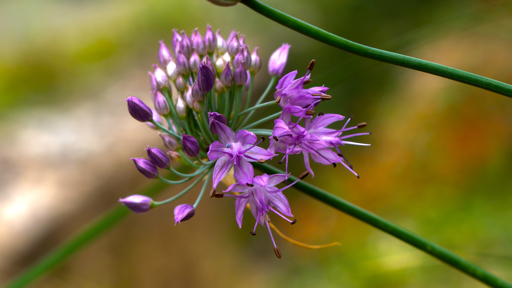
KATHMANDU — In Nepal, there’s a popular saying: “dal bhat power, 24 hour.” It refers to a humble plateful of rice and soupy lentils that Nepalis swear by, both at home and across the diaspora, as fuel for the body and a taste of home where it’s a staple meal for lunch and dinner. Now, an aromatic herb from the Himalayas that gives the Nepali staple its distinctive flavor offers Indigenous communities a potential promise: An alternative source of income and fewer conflicts with the iconic snow leopards that live in these mountain peaks. How so? The residents of Phu Valley who cultivate jimbu (Allium przewalskianum) in this high-altitude settlement, located in the trans-Himalayan region of Manang that borders China’s Tibet region will tell you. They grow this herb, also known as Himalayan chive, as a cash crop — and as a way to help save “the big cat of the mountains.” Dried jimbu is usually fried in ghee, or clarified butter, and poured over simmering dal for an earthy flavor. “Whenever we talk about dal bhat, the most famous of them all is the Thakali version prepared by the Thakali communities of the mountains,” said Shailendra Thakali, an expert in environmental conservation, tourism and livelihoods, referring to a version of the dish made by Indigenous people known for their traditional cuisines. “And the Thakali dal bhat owes its unique taste and aroma to jimbu,” Thakali added. Until recently, residents foraged this herb from steep, risky slopes. They used some…This article was originally published on Mongabay
From Conservation news via This RSS Feed.