

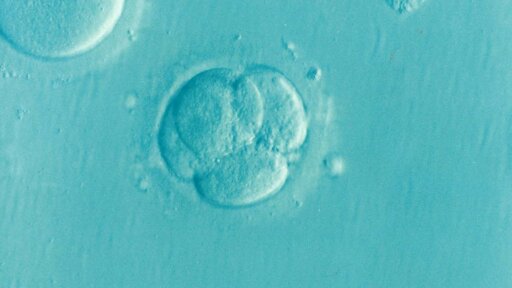
In the earliest stages of life, mammalian embryos start as a disorganized cluster of cells. As development progresses, these cells become organized into well-defined shapes and structures. This process happens again and again during development, yet it unfolds in environments full of noise and variability. So how do individual cells know which way to point? And what determines where the embryo will form its fluid-filled cavity, a crucial step in mammalian embryonic development?
From Biology News - Evolution, Cell theory, Gene theory, Microbiology, Biotechnology via This RSS Feed.
You must log in or # to comment.