

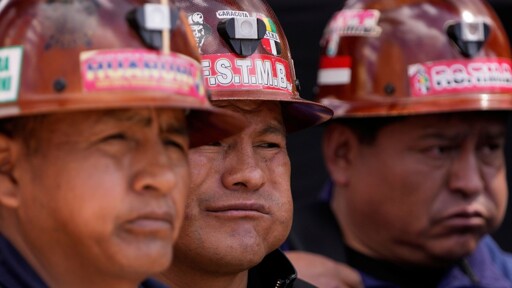
Over the last several years, the United States and European Union have intensified efforts to secure the minerals needed for a clean energy transition. Officials have fast-tracked new projects and signed deals with countries across the globe to ensure access to copper, cobalt, lithium and other minerals that are essential for building solar panels, wind turbines, batteries and other technologies. But as investment grows, so does conflict throughout the sector. Protests and lawsuits are common at mine sites, which can lead to attacks against human rights and environmental defenders. It’s led critics to call for stricter regulations and better communication with local communities. “Resilient mineral supply chains can only be built with respect for people, ecosystems, and local benefits,” Erica Westenberg, director of governance programs at the NGO Natural Resource Governance Institute, said in a report from the Business and Human Rights Centre. Each year, the organization releases the findings of its Transition Mineral Tracker, which monitors allegations of abuse by large-scale mining of bauxite, cobalt, copper, lithium, manganese, nickel, iron ore and zinc. For 2025, the NGO reviewed 299 mining operations and their owners, counting 329 allegations of abuse — up from 156 the year before — tied to air and water pollution, public health problems, and labor abuse like poor working conditions and union suppression. There were also 61 cases of protests, 10 strikes and 44 lawsuits, the report said. A breach at a tailing dam at a Sino-Metals Leach Zambia mine near Kitwe. (AP Photo/Richard Kille, File) The…This article was originally published on Mongabay
From Conservation news via This RSS Feed.