

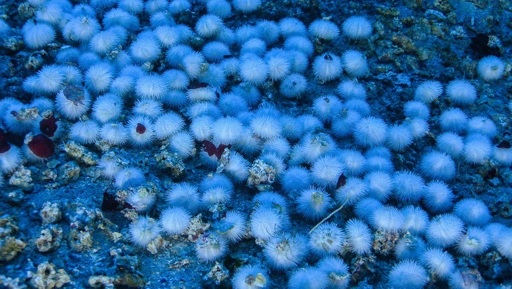
The Amazon region always invites superlatives: the world’s largest tropical forest, the planet’s largest continuous mangrove belt, the river with the largest water volume and length on Earth. That makes any kind of exploratory activity in the region — and its potential impacts on this unique ecosystem — cause for great concern. That’s the case with exploration activities currently being carried out by Brazilian state‑owned oil and gas company Petrobras in the area known as the Equatorial Margin. This area includes the coastal and offshore strip starting at the mouth of the Amazon river and fanning out into the Atlantic, off the Brazilian states of Amapá and Rio Grande do Norte. The environmental license for Petrobras to start prospecting for oil and gas was granted by Brazil’s federal environmental agency, IBAMA, in October 2025, after several denied requests, strong political pressure — including from President Luis Inácio Lula da Silva himself — and strong criticism from environmentalists and civil society organizations. One of the key concerns raised by experts about Petrobras’s operation centers on the Amazon Reef system, located less than 40 kilometers (25 miles) from block FZA‑M‑59, where Petrobras is drilling its Morpho well. Known since the 1970s, the Amazon Reef system was only officially described by a group of Brazilian researchers in 2016. The following year, a Greenpeace research vessel equipped with a small submarine released the rare images of that environment, which covers an estimated 9,500 square kilometers (about 3,700 square miles) and serves as a biodiversity corridor…This article was originally published on Mongabay
From Conservation news via This RSS Feed.